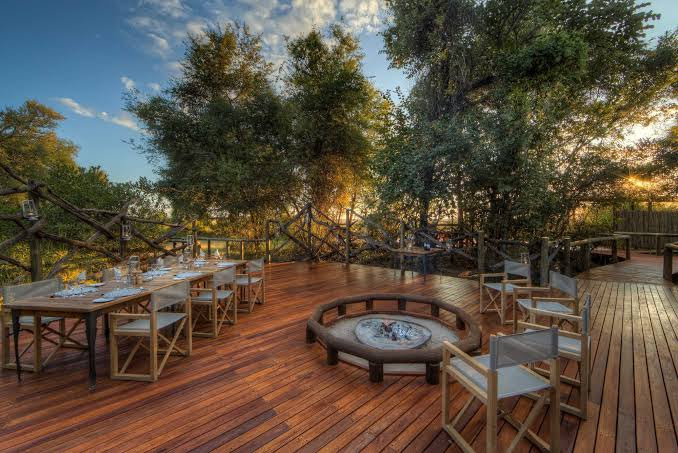
Okavango River is the waterway that enters Botswana from the north and disperses across the Okavango Delta, an inland wetland system rather than a single developed attraction. The mapped location is at 19.4820715°S, 22.9982087°E in Botswana, with no street address or public gate; the river rises in Angola as the Cubango, becomes the Okavango along Namibia’s Caprivi Strip, and delivers its seasonal floodwaters into the delta. Travelers come for mokoro canoe journeys, birding, floodplain scenery and close encounters with wetland wildlife.
What to Expect at Okavango River
This is a landscape experienced from the water and through licensed safari operations, not a promenade with signed viewpoints. In the delta, the river divides into reed-fringed channels, lagoons and temporary floodplains around islands formed by termite activity and shifting sediments. A traditional mokoro excursion is the defining quiet-water experience: a local poler stands at the stern and uses a long pole to guide the low canoe through papyrus and water-lily channels. Many operators now use durable fiberglass mokoros alongside the classic dugout design.
Look carefully rather than expect a guaranteed checklist. African fish eagles call above the channels; pied kingfishers, African jacanas, reed frogs and dragonflies thrive near the water, while hippos and Nile crocodiles occupy deeper reaches. On drier margins, red lechwe, sitatunga and elephants may appear, with wildlife viewing especially concentrated as floodwaters sustain the delta through the regional dry season. Guides read animal tracks, bird calls and water conditions, making a short excursion far more informative than attempting an unsupervised approach.
- Mokoro channels: Glide at water level through narrow papyrus passages with a trained poler, often stopping on an island for a guided walk.
- Seasonal flood cycle: Floodwater from Angola generally reaches the delta from about June, creating broad navigable channels during Botswana’s dry months.
- Wetland birdlife: Scan open water and reed edges for fish eagles, kingfishers, jacanas, herons and, with luck, Pel’s fishing owl.
- Floodplain mammals: Red lechwe and sitatunga use wet grasslands, while elephants, buffalo and predators move between islands and woodland margins.
- Night-sky setting: Remote camps and mobile safaris offer exceptionally dark skies; all after-dark travel is operator-led for safety.
Okavango River at a Glance
| Detail | Information |
|---|---|
| Address | Mapped river location: 19.4820715°S, 22.9982087°E, Botswana; no street address. |
| Neighborhood / Area | Okavango Delta wetland, northern Botswana. |
| Operating Hours | The river is year-round; guided water activities operate in daylight and depend on water levels, weather and camp schedules. |
| Admission / Price Range | No admission gate for the river itself. Guided mokoro, boat, walking and safari activities are paid; typical safari pricing is $$$. |
| Recommended Visit Duration | Half day for a mokoro outing; two to three nights for a fuller delta safari. |
| Nearest Transit / Parking | No scheduled public transit reaches remote launch sites. Access is arranged by safari vehicle, light aircraft or boat, commonly from Maun. |
| Official Website & Phone | Botswana Tourism; +267 391 3111. |
Visiting Tips, Getting There & Nearby Pairings
Book a reputable camp, community operator or mobile safari in advance, particularly from June through October, when dry-season wildlife viewing and high water overlap. Morning departures are cooler, calmer and usually best for bird activity; late-afternoon outings bring softer light but must finish before dark. Maun is the principal gateway, with road transfers to suitable launch areas and light-aircraft links to remote camps. There is no practical self-drive parking at this mapped river point, and seasonal tracks can become impassable after rain.
Accessibility is highly variable and generally limited in the floodplain. Mokoro boarding requires stepping down into a narrow craft, island walks use uneven ground, and remote camps may involve sandy paths or short boat transfers; travelers with reduced mobility should confirm transfer equipment, accessible tent or room layouts and vehicle steps before booking. There is no walkable dining or attraction district here. Pair a river stay with guided exploration of Chief’s Island, the Moremi Game Reserve and the Xakanaxa area, reached by safari vehicle, boat or aircraft rather than on foot.
Frequently Asked Questions
When is the best time to visit the Okavango River?
The river and delta can be visited throughout the year, but June to October is the classic period for high water, mokoro travel and dry-season wildlife concentrations. Start early in the morning for cooler temperatures and calmer channels. Activity times are set by the operator and daylight conditions.
Is there an entry fee or do I need to reserve an excursion?
There is no single ticket office or entry fee for the river. Mokoro trips, motorboat transfers, guided walks and overnight safaris are paid activities, and advance reservations are essential in the main safari season. Confirm what is included, especially conservation or park fees, transfers and drinks.
How much time should I allow for the Okavango River?
Allow a half day for a meaningful mokoro outing, including transfers, safety briefing and a possible island stop. Two or three nights gives time for water activities, game drives and changing light conditions. A longer stay improves the odds of seeing diverse wildlife without rushing.
Is the Okavango River suitable for families or travelers with limited mobility?
Families can enjoy guided water outings when children meet the operator’s age and safety requirements; life jackets and close supervision are important around hippos and crocodiles. Wheelchair access is not standard because boarding, boats and island terrain are uneven. Select a camp with confirmed accessible rooms and tailored transfers if mobility is a concern.
When planning your Okavango Delta travel guide or browsing verified lodge in Okavango Delta, pair this stop with standout local spots including Camp Moremi, Nxai Pan National Park, Wilderness Chitabe Lediba, and Eagle Island Lodge, A Belmond Safari, Botswana (8.9 km away).