Editorial disclosure: This destinations.ai guide was prepared with AI assistance and checked against the official sources linked below. Accommodation and activity placeholders may use affiliate links; that does not change the planning advice.
Amsterdam, North Holland, rewards you with a compact historic center, exceptional museums, canal-side walks, and neighborhoods that are easy to explore at street level. You can spend a long weekend moving between Rembrandt, Van Gogh, market stalls, brown cafés, and quiet residential lanes without building your trip around long transfers.
For a first visit, reserve your major museums early, stay near a tram line or within the Canal Ring, and leave generous walking time between plans. The city’s beauty is most visible when you slow down enough to notice the bridges, houseboats, courtyard entrances, and changing light on the water.
Key Takeaways
- Reserve the Anne Frank House and leading museums before booking your daily schedule.
- Three days gives you time for central highlights and one neighborhood or day-trip detour.
- Walk, use trams, and treat cycling as a transport skill rather than a sightseeing shortcut.
Quick Answers and Trip Profile
Amsterdam suits you best when you want art, architecture, food, nightlife, and easy urban exploration in one short break. Its historic core is walkable, while trams, metro lines, buses, and ferries connect districts beyond the Canal Ring.
- Best first-trip length: Three nights and two full days at a minimum; three full days feels more relaxed.
- Top priorities: Rijksmuseum, Van Gogh Museum, Anne Frank House, a canal cruise, and time in Jordaan or De Pijp.
- Airport: Amsterdam Airport Schiphol is about 18 kilometers from the city center, with straightforward rail and public-transport connections.
- Language: You will find English widely spoken in tourism, hospitality, transport, and shops.
- Currency: Euro (€). Contactless card payments are common, though you should carry a payment card that works internationally.
- Best transport approach: Walk for central sights, take trams for longer cross-city journeys, and use ferries for Amsterdam-Noord.
You will get more from Amsterdam by treating the central canal district as several distinct areas, not one attraction zone. Use the city’s Amsterdam destination guide as a starting point for mapping your hotel, museum bookings, and walking routes around the places you value most.
Best Things to Do in Amsterdam
Amsterdam’s best experiences pair one major cultural visit with time outdoors in the surrounding district. Booking timed entry lets you shape a day around the museum, then leave room for canal walks, lunch, and neighborhood wandering.
- Rijksmuseum: Visit for Dutch Golden Age painting, decorative arts, and Rembrandt’s The Night Watch. Give yourself several hours if you want to explore beyond the most famous galleries.
- Van Gogh Museum: See the artist’s paintings and drawings in a focused collection near Museumplein. Timed tickets are essential for a smooth visit.
- Anne Frank House: This deeply affecting historic site offers essential context for Amsterdam during the Nazi occupation. Tickets are released online, and you should reserve as soon as your travel dates are firm.
- Canal cruise: Take a daytime cruise for orientation or an evening cruise for illuminated bridges and waterside façades. A boat ride is especially useful early in your stay because it clarifies the city’s layout.
- Dam Square: Stop at Dam Square to see the Royal Palace, the National Monument, and one of central Amsterdam’s busiest public spaces.
- Begijnhof: Step into this enclosed historic courtyard near Spui for a quieter view of old Amsterdam. Keep your voice low because it remains a residential setting.
- De Wallen: Walk through the Red Light District in daylight if you want to see the Oude Kerk, canals, and narrow medieval lanes with less nightlife congestion.
If you are building a first-time sightseeing list, these Amsterdam attractions help you group nearby landmarks without crisscrossing the center. Reserve one major museum per day if you want time to absorb what you see.
History, Culture, and Local Character
Amsterdam’s character comes from its relationship with trade, water, migration, and civic independence. You will see that story in the 17th-century Canal Ring, merchant houses, former warehouses, museums, and neighborhoods shaped by successive communities.
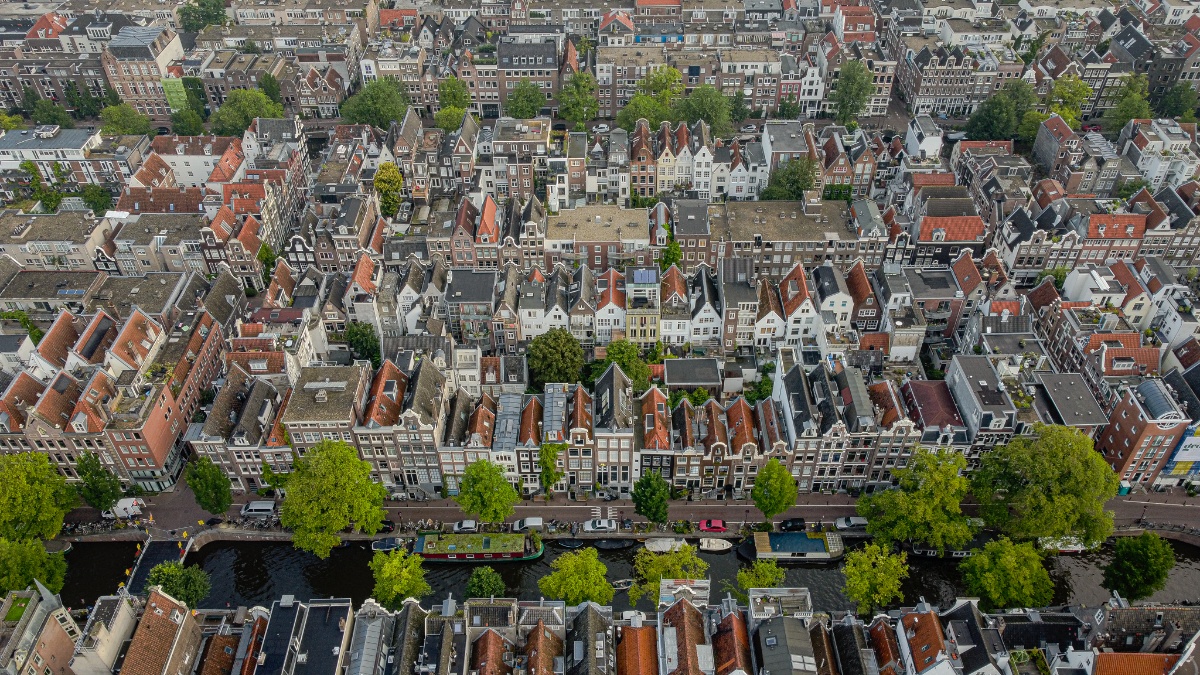
The canal network was developed during the Dutch Golden Age, when Amsterdam became a major commercial port. The concentric waterways of the UNESCO-listed Canal Ring extend through the center, framing the narrow, tall houses built on deep plots.
A canal-house façade can look perfectly straight from the pavement, yet the buildings rest on timber piles in soft ground and require continual care. It’s one of those details that’s easy to miss when you’re rushing between museums.
You should also approach the Golden Age with its full context. Museum collections and historical interpretation increasingly address the links between Dutch wealth, colonial expansion, slavery, and global trade.
The Rijksmuseum, the Amsterdam Museum, and the National Maritime Museum give you different entry points into that history. For a more personal historical experience, spend time at the Anne Frank House and allow space afterward to walk along Prinsengracht.
The museum’s setting makes the story feel immediate, while its exhibitions connect one family’s persecution to the wider Holocaust. Local life has a practical rhythm: bicycles move quickly, terraces fill when the weather allows, and many residents live in compact apartments close to the street.
You will enjoy the atmosphere more when you keep cycle lanes clear, speak quietly in residential courtyards, and choose independent cafés or neighborhood restaurants beyond the busiest souvenir streets.
Neighborhoods, Parks, and Outdoor Activities
Your choice of neighborhood shapes the pace and flavor of your Amsterdam stay. Central areas place you close to landmark sights, while districts just outside the Canal Ring offer broader streets, local restaurants, markets, and a more residential feel.
- Jordaan: Choose this area for canal houses, small galleries, boutique shopping, and atmospheric streets. Wander around Noordermarkt and seek out the district’s hofjes, small hidden courtyards.
- De Pijp: Stay or visit here for Albert Cuyp Market, international food, cafés, and access to Museumplein. It has a lively everyday energy.
- Oud-West: Explore for independent shops, food halls, and easy access to Vondelpark. You will find a useful balance of central convenience and neighborhood life.
- Amsterdam-Noord: Take the free ferry across the IJ from behind Amsterdam Centraal for waterside views, creative venues, and a different perspective on the city.
- Oost: Head east for Dappermarkt, green streets, and a diverse restaurant scene with fewer central crowds.
Vondelpark is the easiest major green space to add to a museum-focused day. Walk its broad paths, pause at a terrace when open, and continue toward Oud-Zuid.
For more space, Amsterdamse Bos offers woodland, open lawns, cycling routes, and water-based activities on the city’s southern edge. Cycling gives you excellent reach when you are comfortable in busy urban traffic.
Rent a bicycle only after you are ready to signal, watch for tram tracks, use lights after dark, and park in designated spaces. These cycling routes in Amsterdam are better suited to a planned ride than learning to cycle amid central pedestrian traffic.
For a half-day excursion, Zaanse Schans combines historic windmills, green wooden houses, workshops, and small museums. The site works well when you want a traditional North Holland landscape beyond the city.
Where to Stay and What to Eat
You should choose accommodation by transport access and evening atmosphere, then reserve early for spring, summer, school holidays, and major events. Amsterdam hotels vary sharply by location, room size, and canal views, so checking the exact address is more useful than relying on a broad district label.
- Canal Ring: Best for first visits, walking access, historic atmosphere, and higher nightly rates.
- Jordaan: Best for intimate streets, cafés, and a quieter evening base close to central sights.
- De Pijp: Best for food, market access, and a livelier local setting.
- Oud-West: Best for restaurants, Vondelpark, and easy tram connections.
- Amsterdam-Noord: Best for contemporary stays and lower-density surroundings, with ferry travel built into your routine.
Use this detailed guide to where to stay in Amsterdam to match your budget and travel style to a district. Families benefit from confirming lift access, room configuration, air conditioning, and the walk to the nearest tram stop before reserving.
For food, begin with Dutch staples: stroopwafels, bitterballen, Dutch apple pie, herring from a specialist stall, and Indonesian rijsttafel. Amsterdam’s Indonesian cuisine reflects longstanding ties between the Netherlands and Indonesia, while Surinamese, Turkish, Middle Eastern, Japanese, Italian, and contemporary Dutch cooking add range across the city.
Eat near Albert Cuyp Market for casual daytime choices, seek brown cafés for a traditional pub setting, and reserve dinner in popular Jordaan or De Pijp restaurants for Friday and Saturday evenings. In cafés, coffee shops, and restaurants, ask whether service is included before adding a tip; rounding up for good service is common.
How to Get There and Get Around
Amsterdam Airport Schiphol is your main international gateway, and Amsterdam Centraal is the most useful rail hub for arrivals from elsewhere in the Netherlands and Europe. You can reach the center from Schiphol by train, then transfer to a tram, metro, bus, taxi, or walk to your accommodation.
For current airport options, fares, and travel times, consult this 2026 Schiphol-to-city-center transport overview before departure. Buy or validate the correct ticket before travel and keep your payment method ready for gate entry and exit.
- Walking: Best for the Canal Ring, Jordaan, Museumplein, De Pijp, and central shopping streets.
- Trams: Best for moving through central and southern districts without the effort of long walks.
- Metro: Best for longer journeys, especially to outer neighborhoods and Amsterdam-Noord.
- Ferries: Best for crossing the IJ from Amsterdam Centraal to Noord. The main passenger ferries are free.
- Bike: Best when you have urban cycling confidence and a clear destination.
- Taxi: Useful with luggage, late at night, or when mobility needs make public transport less suitable.
Keep cycle paths clear when walking. Their red surfaces, bike symbols, and fast-moving riders make them easy to identify once you pay attention.
Cross at marked points and look both ways, including for cyclists traveling in either direction. Driving creates more difficulty than convenience in central Amsterdam because of restricted access, parking costs, bicycles, trams, and narrow streets.
If you arrive by car, choose accommodation with confirmed parking or use a park-and-ride option on the edge of the city.
Best Time to Visit and Seasonal Planning
Late April through June offers long daylight, outdoor terraces, and spring color, while September provides a calmer early-autumn city break. Your best dates depend on whether you prioritize tulips, warm canal weather, festive crowds, museum time, or lower accommodation demand.
Spring: April and May bring tulip season in the wider Netherlands, though blooms depend on weather. King’s Day on April 27 fills Amsterdam with street markets, music, orange clothing, and exceptionally high demand for rooms and transport.
Summer: June through August gives you the best conditions for parks, canal cruises, cycling, and outdoor dining. Expect busy museum entrances, popular hotel dates, and higher demand throughout the Canal Ring.
Autumn: September and October bring cooler air, changing leaves in parks, and a strong cultural calendar. Rain becomes more frequent, so pack a waterproof outer layer and shoes that can handle wet cobbles.
Winter: November through February suits you if you value museums, cafés, seasonal lights, and shorter queues outside peak holiday periods. Daylight is limited, and wind or rain can make long outdoor days less comfortable.
April and May are especially busy because of tulip travel and King’s Day, while June through September attracts visitors seeking warmer canal-side weather. A month-by-month Amsterdam timing guide recommends booking accommodation months ahead for these popular periods.
A Practical Two- or Three-Day Itinerary
A three-day Amsterdam itinerary gives you a balanced first visit without forcing several major museums into every day. Reserve fixed-time attractions first, then use the outline below to arrange meals, canal walks, and neighborhood stops around those bookings.
Day One: Historic Center and Canal Ring
- Begin at Dam Square, then walk through the Nine Streets for canals, independent shops, and historic façades.
- Visit the Anne Frank House if you have a timed ticket.
- Spend the afternoon in Jordaan, including Noordermarkt and nearby canal streets.
- Take an evening canal cruise or walk Prinsengracht and Keizersgracht after dinner.
Day Two: Museumplein and De Pijp
- Start at the Rijksmuseum, allowing time for the Gallery of Honour and Dutch Masters.
- Walk through Museumplein, then visit the Van Gogh Museum if you reserved a second museum slot.
- Rest in Vondelpark or continue through Oud-Zuid.
- Eat in De Pijp after browsing Albert Cuyp Market.
Day Three: Choose Your Pace
- Take the ferry to Amsterdam-Noord for a change of scenery and views across the IJ.
- Choose a day trip to Zaanse Schans, Haarlem, Utrecht, or the coast when you want to see more of the Netherlands.
- Stay in Amsterdam for the Amsterdam Museum, the National Maritime Museum, a canal-side café, or a relaxed shopping afternoon if you prefer a slower day.
With only two days, combine the historic-center walk and Jordaan on your first day, then dedicate the second to Museumplein and De Pijp. Keep the Anne Frank House reservation if you secure one, and remove lower-priority stops around it.
Costs, Safety, Accessibility, and Reservations
Amsterdam is a high-cost European city, so accommodation and advance museum planning will shape your budget more than small daily purchases. A 2026 estimate places budget travel at €75 to €100 per day, mid-range travel at €150 to €220, and luxury travel at €250 to €500 or more. Lodging, restaurant meals, and museum entry are among the largest expenses.
To control spending, stay outside the most expensive canal-side blocks, eat one market or casual meal each day, use walking and public transport, and select museums that fit your interests. A city card works best when its included attractions and transport match a full schedule, so compare the current inclusions before purchase.
Amsterdam is welcoming to independent travelers, including Americans, and English communication is easy in most visitor settings. Your main street-level risks are pickpocketing in crowded areas, bicycle traffic, and distraction around nightlife zones.
Keep valuables secured, use licensed taxis or reputable ride services, and remain alert around Amsterdam Centraal, Dam Square, and busy trams.
Accessibility varies because many historic buildings have steep stairs, narrow entries, cobbles, and limited lift space. Contact each museum, canal cruise operator, hotel, and restaurant directly about step-free routes, accessible toilets, companion policies, hearing support, and wheelchair spaces before you reserve.
Book the Anne Frank House, Rijksmuseum, Van Gogh Museum, special exhibitions, popular restaurants, and peak-period hotels early. The Anne Frank House in particular uses timed online ticket sales, and demand can exceed availability weeks ahead.
When visiting De Wallen, respect residents and workers: keep pathways open, follow local rules, and never photograph people in windows. Responsible choices also include refilling a water bottle, using public transport, and reading a sustainable travel guide before arranging activities and day trips.
Sources and Current Planning Links
Confirm operating hours, ticket releases, access information, and temporary closures directly with each attraction before your visit. Museum schedules, airport transport arrangements, public events, and restaurant opening days change throughout the year.
- Amsterdam visitor essentials provides a broad orientation to visiting the Dutch capital.
- Current Amsterdam travel planning information offers a 2026 overview of sights and visitor questions.
- Amsterdam transport guidance helps you compare walking, cycling, trams, and other ways to move around the city.
- A first-time three-day Amsterdam itinerary is useful when you want another scheduling reference.
- Amsterdam daily budget ranges provides 2026 spending estimates across budget levels.
- Weekend trips from Amsterdam can help you extend a city break into a wider Netherlands itinerary.
Frequently Asked Questions
Amsterdam is especially rewarding when you reserve its headline attractions in advance and leave room for the everyday pleasures of canals, markets, parks, and cafés. Balance major sights with one or two neighborhoods that suit your interests, and the trip will feel less like a checklist.
Is Amsterdam Worth Visiting?
Amsterdam is worth visiting for its canal architecture, major art collections, layered history, and compact layout. You can build a satisfying trip around museums and landmarks, then add food markets, parks, nightlife, cycling, or nearby Dutch towns according to your travel style.
How Many Days Do You Need in Amsterdam?
You need three days for a comfortable first visit to Amsterdam. Two full days cover leading sights and a few canal districts, while a fourth day gives you time for Amsterdam-Noord, a slower museum visit, or a day trip.
What Are the Top Three Things to Do in Amsterdam?
The top three experiences are the Rijksmuseum, the Anne Frank House, and a canal cruise or extended Canal Ring walk. Add the Van Gogh Museum when art is a priority, and reserve both museum tickets and Anne Frank House entry early.
Is Amsterdam Friendly to Americans?
Amsterdam is friendly to Americans, with English widely spoken and a well-developed visitor infrastructure. You’ll have the smoothest visit when you follow local cycling etiquette, make reservations for popular places, and avoid assuming every business accepts the same payment methods you use at home.
What Should You Do and Not Do in Amsterdam?
Do reserve major attractions, walk carefully around cycle lanes, and respect quiet residential streets. Avoid blocking bike paths, photographing Red Light District workers, buying drugs from street sellers, and treating coffee shops as casual sightseeing venues without knowing the house rules.
What Can Families Do in Amsterdam?
Families can visit NEMO Science Museum, take a canal cruise, picnic in Vondelpark, or explore Artis Royal Zoo. The ferry to Amsterdam-Noord is another easy outing, especially for a change of scenery.
For overnight planning, look for family-friendly hotels in Amsterdam with suitable room layouts, lift access, and convenient tram connections.
Affiliate placeholder: Compare accommodation options after checking the official property details, location, and cancellation terms.
Affiliate placeholder: Check current activity availability, meeting points, accessibility, and cancellation terms before reserving.