Quick answer: Kyoto is the cultural soul of Japan, home to over 1,600 historic Buddhist temples, thousand-vermilion-torii paths at Fushimi Inari-taisha, the Golden Pavilion (Kinkaku-ji), and preserved geisha teahouses in Gion.
Editorial disclosure: This destinations.ai guide was prepared with AI assistance and checked against the official sources linked below. Accommodation and activity placeholders may use affiliate links; that does not change the planning advice.
Overview: Why Visit Kyoto
Kyoto, situated in the Kansai region of western Honshu, served as the imperial capital of Japan for over a millennium (from 794 until 1868). Sparing significant destruction during World War II, Kyoto remains the cultural, religious, and artistic heart of Japan, home to 17 UNESCO World Heritage Sites, over 1,600 historic Buddhist temples, 400 Shinto shrines, and living geisha (geiko) districts.
Major highlights include hiking beneath thousands of vermilion torii gates at Fushimi Inari Taisha, viewing the shimmering gold-leaf reflection of Kinkaku-ji (The Golden Pavilion), standing on the cantilevered wooden terrace of Kiyomizu-dera overlooking cherry blossoms, walking through the soaring green culms of the Arashiyama Bamboo Grove, spotting geiko and maiko in historic Gion, and savoring seasonal multi-course Kaiseki Ryori haute cuisine.
Best Time to Visit Kyoto
Quick answer: Spring Cherry Blossom Season (Late March to Mid-April): Kyoto’s most famous season. Temperatures average 15°C to 20°C (59°F to 68°F). *Sakura* blossoms peak along the Philosopher’s Path, Maruyama Park, and the Kamogawa River. Book hotels 4 to 6 months in advance.
- Spring Cherry Blossom Season (Late March to Mid-April): Kyoto’s most famous season. Temperatures average 15°C to 20°C (59°F to 68°F). *Sakura* blossoms peak along the Philosopher’s Path, Maruyama Park, and the Kamogawa River. Book hotels 4 to 6 months in advance.
- Autumn Foliage Season (November to Early December): Spectacular brilliant scarlet Japanese maple (*momiji*) and golden ginkgo foliage across temple gardens like Tofuku-ji and Eikan-do. Temperatures range from 12°C to 18°C (54°F to 64°F) under clear skies.
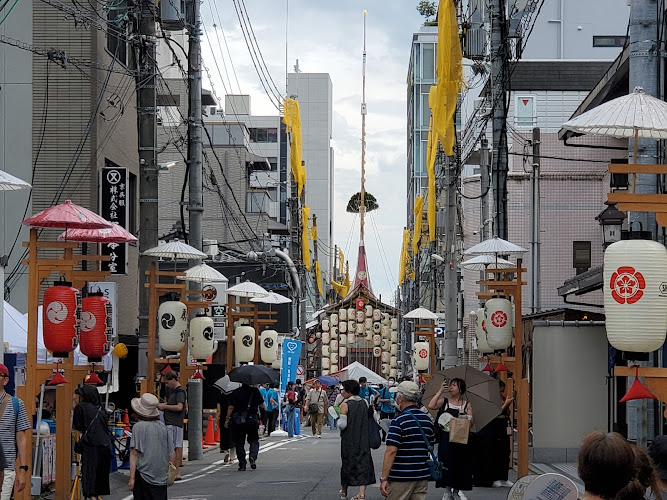
- Summer (June to August): Hot and humid monsoon season (32°C to 36°C / 90°F to 97°F). In July, Kyoto hosts the month-long Gion Matsuri, one of Japan’s three greatest festivals, featuring massive 25-meter *yamaboko* floats paraded down Shijo Street. Enjoy dining on *kawayuka* wooden river platforms elevated over the cooling waters of the Kamo River.
- Winter (January to February): Crisp and peaceful averaging 4°C to 9°C (39°F to 48°F). Uncrowded temple gardens and occasional snow dustings on Kinkaku-ji provide serene winter experiences with low hotel rates.
Key Historic Temples & Cultural Landmarks
Quick answer: Fushimi Inari Taisha: The head Shinto shrine dedicated to Inari (the Shinto deity of rice, agriculture, and business). The mountain trail ascends through the Senbon Torii —over 10,000 closely spaced vermilion wooden gates donated by Japanese companies. The shrine grounds and mountain trail are open 24 hours daily with free admission ; hike at dawn (6:00 AM) or after dark beneath glowing lantern light to avoid tour crowds.
- Fushimi Inari Taisha: The head Shinto shrine dedicated to Inari (the Shinto deity of rice, agriculture, and business). The mountain trail ascends through the Senbon Torii—over 10,000 closely spaced vermilion wooden gates donated by Japanese companies. The shrine grounds and mountain trail are open 24 hours daily with free admission; hike at dawn (6:00 AM) or after dark beneath glowing lantern light to avoid tour crowds.
- Kinkaku-ji (The Golden Pavilion): A Zen Buddhist temple in northern Kyoto. The top two floors are completely covered in pure gold leaf, reflecting into the surrounding Mirror Pond (*Kyoko-chi*) alongside bonsai pine islands and Muromachi-period stone compositions.
- Kiyomizu-dera (Temple of the Pure Water): Founded in 778 AD on the slopes of Mount Otowa. Celebrated for its monumental main hall terrace built entirely without a single nail using Japanese timber joinery (*kigumi*), jutting 13 meters above the hillside. Below the main hall, drink pure mountain water from the Otowa Waterfall using long-handled cups for health, academic success, or love.
- Arashiyama Bamboo Grove & Tenryu-ji: Located in western Kyoto. Walk beneath towering, emerald-green bamboo stalks along a scenic woodland path. Directly adjacent lies Tenryu-ji, a 14th-century Zen temple featuring an exquisite stroll garden centered around Sogenchi Pond with framed views of the Arashiyama mountains.
- Gion & Hanamikoji Street: Kyoto’s most famous preserved entertainment quarter, characterized by 17th-century *machiya* wooden merchant townhouses with slatted timber blinds (*sudare*). Respect local photography regulations: photography is prohibited in designated private residential side alleys (marked by clear multi-lingual signs carrying ¥10,000 JPY fines).
- Nijo Castle (Nijo-jo): Built in 1603 as the Kyoto residence of Shogun Tokugawa Ieyasu. Features the Ninomaru Palace with exquisite Kano School wall paintings and famous “nightingale floors” (*uguisubari*) that squeak like chirping birds when walked upon to warn guards of stealth assassins.
Suggested 3-Day Kyoto Itinerary
Quick answer: Day 1: Southern Higashiyama, Kiyomizu-dera & Gion. Begin early at Kiyomizu-dera (6:00 AM opening) to enjoy the wooden stage in peace. Descend the preserved flagstone alleys of Ninenzaka and Sannenzaka, stopping for matcha soft-serve. Visit Kodai-ji and Yasaka Shrine. In the evening, stroll down Hanamikoji Street in Gion before dining on tofu hot pot along Pontocho Alley.
- Day 1: Southern Higashiyama, Kiyomizu-dera & Gion. Begin early at Kiyomizu-dera (6:00 AM opening) to enjoy the wooden stage in peace. Descend the preserved flagstone alleys of Ninenzaka and Sannenzaka, stopping for matcha soft-serve. Visit Kodai-ji and Yasaka Shrine. In the evening, stroll down Hanamikoji Street in Gion before dining on tofu hot pot along Pontocho Alley.
- Day 2: Arashiyama Bamboo Grove, Golden Pavilion & Zen Gardens. Head west to Arashiyama at 7:30 AM to walk through the Bamboo Grove and tour Tenryu-ji. Ride the Keifuku Randen tram north to Kinkaku-ji (Golden Pavilion). In the afternoon, contemplate the 15 raked stones at Ryoan-ji rock garden. Dine on a seasonal Kaiseki dinner in downtown Kyoto.
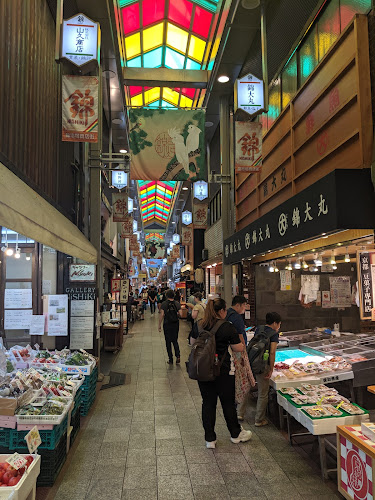
- Day 3: Fushimi Inari Sunrise, Nijo Castle & Nishiki Market. Start at dawn climbing through the vermilion torii gates at Fushimi Inari Taisha. Return to central Kyoto to tour the nightingale floors of Nijo Castle. Spend the afternoon sampling grilled eel skewers, dashi tamagoyaki, and pickled vegetables at Nishiki Market (“Kyoto’s Kitchen”) before departing.
Traditional Kyoto Gastronomy & Tea Culture
Quick answer: Kyo-Kaiseki: The pinnacle of Japanese culinary art. An elaborate multi-course banquet reflecting the micro-season through artistic presentation, featuring seasonal appetizers (*sakizuke*), raw sashimi (*tsukuri*), seasonal simmered seasonal vegetables (*nimono*), grilled wild fish (*yakimono*), and rice with pickles.
- Kyo-Kaiseki: The pinnacle of Japanese culinary art. An elaborate multi-course banquet reflecting the micro-season through artistic presentation, featuring seasonal appetizers (*sakizuke*), raw sashimi (*tsukuri*), seasonal simmered seasonal vegetables (*nimono*), grilled wild fish (*yakimono*), and rice with pickles.
- Yudofu (Simmered Tofu Hot Pot): Silky local Kyoto tofu gently simmered in kombu kelp dashi broth inside clay hot pots, served with chopped green onions, grated ginger, and citrus ponzu dipping sauce at Nanzen-ji temple gardens.
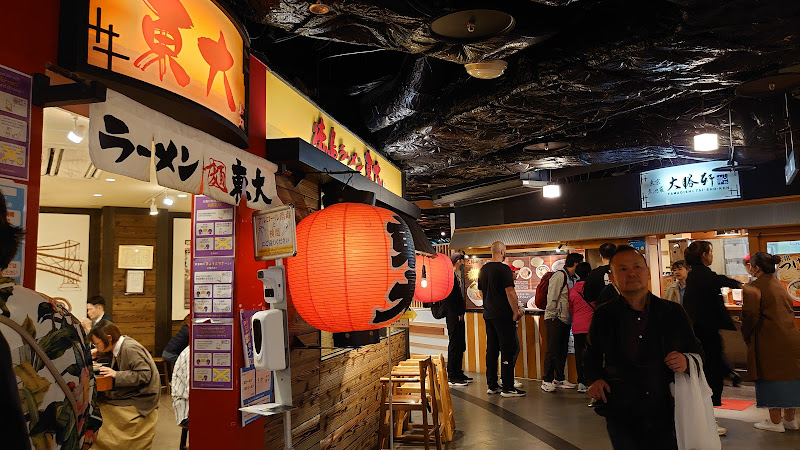
- Kyoto Ramen (Kotteri & Shoyu): Rich, savory pork and chicken bone broths loaded with springy wheat noodles, tender chashu pork slices, menma bamboo shoots, and fresh Kujo green onions at legendary shops like Honke DaiichiAsahi near Kyoto Station.
- Uji Matcha & Wagashi: Stone-ground ceremonial green tea sourced from neighboring Uji, served with delicate seasonal sugar and sweet adzuki bean pastries (*wagashi*) in Zen temple tea rooms.
Practical Travel Tips, Transit & Budget
Quick answer: Getting Around: Tokaido Shinkansen (Bullet Train) connects Tokyo to Kyoto Station in just 2 hours and 15 minutes. Kansai International Airport (KIX) is connected directly via the JR Haruka Express train in 75 minutes. Use Train & Subway Lines (JR, Keihan, Hankyu, Kyoto Subway) over city buses during peak seasons to bypass street traffic. An IC contactless card (ICOCA, Suica, Pasmo) works across all trains, subways, and buses.
- Getting Around: Tokaido Shinkansen (Bullet Train) connects Tokyo to Kyoto Station in just 2 hours and 15 minutes. Kansai International Airport (KIX) is connected directly via the JR Haruka Express train in 75 minutes. Use Train & Subway Lines (JR, Keihan, Hankyu, Kyoto Subway) over city buses during peak seasons to bypass street traffic. An IC contactless card (ICOCA, Suica, Pasmo) works across all trains, subways, and buses.
- Crowd Management: Use the official Kyoto Travel Congestion Forecast to monitor live crowd levels at major landmarks. Visit Fushimi Inari and Arashiyama Bamboo Grove before 8:00 AM or after 6:00 PM.
- Daily Budget Breakdown:
- Budget traveler: $45–$70 USD (7,000–11,000 JPY)/day (hostel dorm or capsule hotel, convenience store/ramen meals, subway/train transit, temple entries).
- Mid-range traveler: $130–$250 USD (20,000–38,000 JPY)/day (3-star/4-star modern hotel or traditional *ryokan*, lunchtime kaiseki set, private temple entries, tea ceremony).
- Luxury traveler: $550–$1,500+ USD (85,000–230,000+ JPY)/day (luxury riverside ryokan like Hoshinoya Kyoto or The Ritz-Carlton Kyoto, multi-course 3-Michelin-starred dinner at Kikunoi, private chauffeured car with licensed historian).
Frequently Asked Questions
What are the photography rules in Gion, Kyoto?
Photography is strictly prohibited on private residential side streets in Gion (marked with multi-lingual warning signs carrying ¥10,000 JPY fines). Photography is permitted on main public thoroughfares like Hanamikoji Street, but tourists must never touch, harass, or obstruct working geiko or maiko.
What is the best time to visit Fushimi Inari Taisha?
Because Fushimi Inari Taisha is open 24 hours daily with free admission, the best time to visit is at dawn (between 6:00 AM and 7:30 AM) or after sunset when the vermilion torii paths are lit with lanterns and free from tour groups.
How long does it take to travel from Tokyo to Kyoto?
The Nozomi Shinkansen (bullet train) on the Tokaido Shinkansen line travels between Tokyo Station and Kyoto Station in 2 hours and 15 minutes, departing every 10 to 15 minutes.
Affiliate placeholder: Compare accommodation options after checking the official property details, location, and cancellation terms.
Affiliate placeholder: Check current activity availability, meeting points, accessibility, and cancellation terms before reserving.
Sources and current planning links
Explore more destinations.ai travel guides when building a longer route.
For a longer regional route, compare Tokyo, Bangkok, Istanbul, Singapore with this destination before finalizing your itinerary.
Explore Kyoto by Category: Discover top curated spots across Kyoto Attractions & Sightseeing, Best Places to Stay in Kyoto, Kyoto Restaurants & Dining.