Historic Pensacola Village is an 8.5-acre collection of museums, period buildings and interpretive sites at 205 E Zaragoza St, Pensacola, FL 32502, in downtown Pensacola’s Seville Historic District. Operated by the University of West Florida Historic Trust, it traces more than 464 years of Pensacola history—from Spanish, British and American colonial rule through the nineteenth-century port city and World War II—and draws travelers for its walkable streetscape, guided tours and changing museum exhibitions.
What to Expect at Historic Pensacola Village
Begin at the Pensacola Museum of History, where the galleries provide the strongest chronological orientation before you explore the surrounding historic properties. The current Road to Revolution: Commemorating the 250th Anniversary of the American War for Independence runs through August 2027. It examines Pensacola’s consequential role in the global conflict with an original King George III proclamation, a British officer’s sword and locally excavated artifacts. The museum’s wider story reaches from Indigenous and colonial eras to the military and maritime history that shaped the modern city.
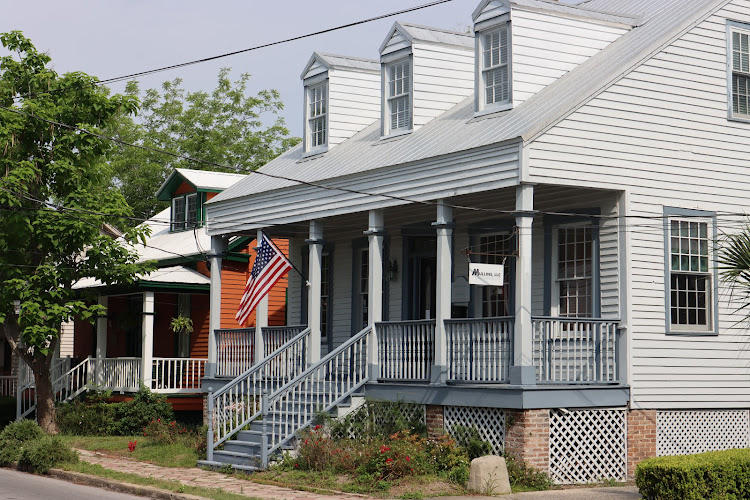
Allow time to move beyond the main museum. The Museum of Commerce recreates the commercial life of an early twentieth-century downtown, while the Pensacola Children’s Museum uses hands-on, child-scaled settings to introduce local history. Across the village, wood-frame cottages, brick streets and historic residences make the route feel like an urban neighborhood rather than a single museum building. Guided tours and living-history programming add context to buildings that are not always open for independent entry; check the day’s schedule at the visitor desk. A single admission ticket covers participating museums for seven days, making a return visit practical.
- Pensacola Museum of History: Start here for the city’s colonial, maritime, military and civic history, including the Road to Revolution exhibition.
- Road to Revolution: See a King George III proclamation, a British officer’s sword and Pensacola archaeological finds in the America250-linked exhibition.
- Museum of Commerce: Walk through recreated storefronts that interpret the businesses and goods of Pensacola’s early twentieth-century trading district.
- Pensacola Children’s Museum: Interactive rooms make regional history approachable for younger visitors without reducing the site to a playground.
- Historic-house district: Follow the compact streets between preserved nineteenth-century structures, including the 1805 Lavalle Cottage, one of Pensacola’s oldest surviving homes.
Historic Pensacola Village at a Glance
| Detail | Information |
|---|---|
| Address | 205 E Zaragoza St, Pensacola, FL 32502 |
| Neighborhood / Area | Downtown Pensacola, Seville Historic District |
| Operating Hours | Tuesday–Saturday, 10 a.m.–4 p.m.; closed Sunday and Monday |
| Admission / Price Range | Paid admission; $ price level. One ticket provides seven-day access to participating museums. |
| Recommended Visit Duration | 1.5 to 2.5 hours for core museums and the village walk |
| Nearest Transit / Parking | Downtown Pensacola; use nearby street parking and public lots, with the visitor center area on Church Street as a useful arrival point. |
| Official Website & Phone | historicpensacola.org & +1 850-595-5993 |
Visiting Tips, Getting There & Nearby Pairings
Arrive close to the 10 a.m. opening for the quietest galleries and coolest walking conditions, especially from late spring through early fall. Begin with the Museum of History, then ask staff which homes, demonstrations and guided tours are operating that day; this avoids reaching a historic building between scheduled openings. Buy admission on arrival or consult the official hours and tickets page before traveling for special programs, holiday changes and group arrangements.
The village is readily reached on foot from Palafox Street and the central downtown bus area. Street spaces and public parking lots are available around the district, but arrive early for the shortest walk. Primary museum galleries offer more accessible circulation than the oldest houses, where original steps, narrow doorways, thresholds and uneven exterior surfaces can limit wheelchair or stroller access. Pair a visit with Plaza Ferdinand VII, site of the 1821 transfer of Florida from Spain to the United States; Seville Square’s mature oaks and lawns; and the restaurants, galleries and shops along Palafox Street, all roughly a five- to 15-minute walk away.
Frequently Asked Questions
When is Historic Pensacola Village open, and what is the best time to go?
The village operates Tuesday through Saturday from 10 a.m. to 4 p.m. Go at opening to see the principal galleries before midday and to leave time for a guided tour or nearby downtown sights.
How do tickets work at Historic Pensacola Village?
Admission is paid, at a budget-friendly $ price level, and one ticket is valid for seven days at participating museums. Confirm current ticket categories and any special-tour availability through the official website before your visit.
How long should I budget for the village?
Set aside 1.5 to 2.5 hours for the Pensacola Museum of History, the Museum of Commerce, the Children’s Museum and a self-guided exterior walk. History-focused visitors can use the seven-day ticket to return for additional sites or programs.
Is Historic Pensacola Village suitable for children and wheelchair users?
Families should prioritize the Pensacola Children’s Museum and allow time for its interactive displays. Main museum areas are the best option for wheelchair users, while preserved houses and outdoor paths retain historic stairs, tight passages and uneven surfaces; contact staff in advance for the most suitable route.
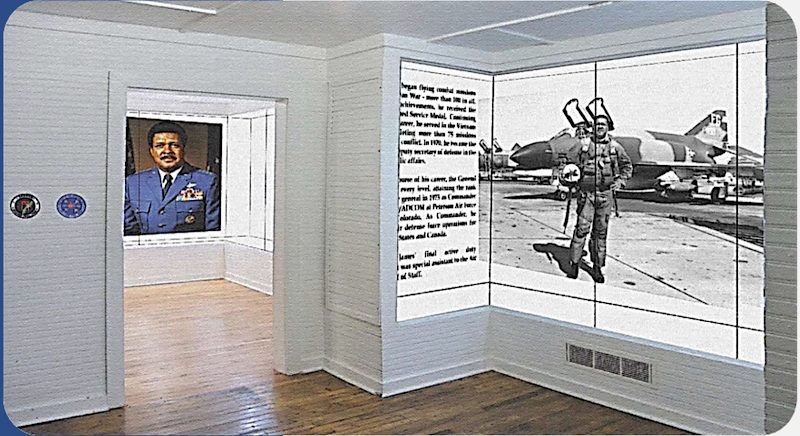
When planning your Gulf Breeze travel guide or comparing verified attractions and museums in Gulf Breeze, pair this stop with standout local spots including Pensacola Bay Bridge, Chappie James Museum of Pensacola, Gulf Breeze Zoo, and Museum of Commerce (nearby).