Editorial disclosure: This destinations.ai guide was prepared with AI assistance and checked against the official sources linked below. Some hotel and tour links on this page may earn an affiliate commission at no extra cost to you; our editorial recommendations remain independent.
Quick Trip-Planning Snapshot
Helsinki rewards three to four unhurried days: one for the compact core around Senate Square, Esplanadi and the harbor, one for Suomenlinna and the nearby islands, one for design, Kallio and a sauna, and an optional day trip. You do not need a car. Trams, the metro and ferries run on one HSL ticket system, and the center is flat and walkable. Book summer accommodation, popular restaurants and any public sauna slots several weeks ahead, and book earlier still for June to August and for midsummer weekends.
- Best Base for First-Timers: Kluuvi, Kamppi or Kruununhaka put you within walking distance of Central Station, Esplanadi and Senate Square. Punavuori is the pick if you want design shops and cocktail bars.
- Getting Around: Walk the core and use trams for the rest, especially lines 2, 3, 4, 7 and 9. The metro runs east-west through Kamppi, Sörnäinen and Kalasatama. The airport train (I or P) reaches Central Station in about 30 minutes and needs an ABC-zone ticket. The Suomenlinna ferry is covered by a standard AB ticket, and the HSL app is the easiest way to buy fares.
- Peak vs. Value Windows: June to August has the longest light and the busiest ferries, terraces and hotels. May and September give you most of the summer atmosphere with lower rates and thinner crowds. Deep winter is cheapest, but it is dark and cold.
- Top Insider Tip: Treat sauna as a core part of the trip rather than an add-on. Pair a public sauna with a swim or an island afternoon, and reserve ahead on weekends. Bring a swimsuit, since rules on nudity and mixed sessions vary by venue.
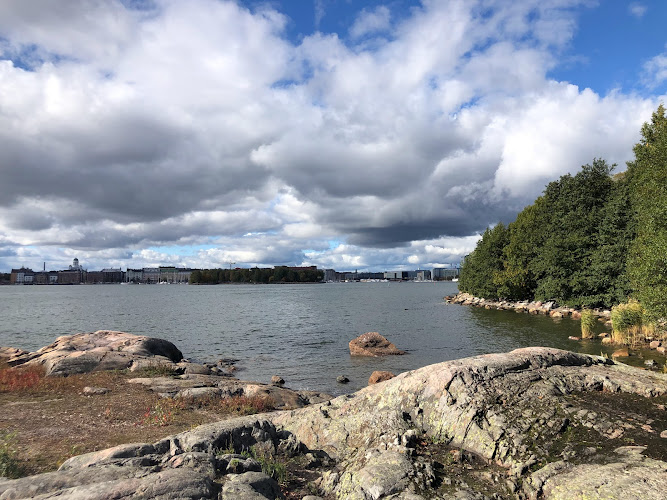
Helsinki, the capital of Finland, is a compact seaside city on the Baltic, known for its clean design, modernist architecture, and a string of islands at its doorstep. The neoclassical Helsinki Cathedral presides over Senate Square, while the remarkable Temppeliaukio Church is carved directly into solid rock beneath a copper dome.
A short ferry ride reaches Suomenlinna, the sprawling 18th-century sea fortress and UNESCO World Heritage Site. Visitors browse the Design District, sample local fare at the harborside Market Square and old market halls, and unwind in Finnish saunas.
The best time to visit is summer (June to August), when long daylight hours stretch past 10 p.m. and outdoor life thrives, with festivals like the Helsinki Festival; winter offers a snowy, cozy atmosphere and Christmas markets, while spring and autumn balance mild weather with fewer crowds.
Affiliate placeholder: Compare accommodation options after checking the official property details, location, and cancellation terms.
Affiliate placeholder: Check current activity availability, meeting points, accessibility, and cancellation terms before reserving.
Sources and current planning links
Explore more destinations.ai travel guides when building a longer route.
How to plan a Helsinki visit
Helsinki is a compact Baltic capital in Uusimaa, Finland, where design, architecture, public saunas, food, islands, and efficient public transport make a short city break easy to shape. This guide is for Helsinki, not the wider Finnish region alone. Start with a walkable central plan, then add one ferry, neighborhood, museum, or forest outing according to the season.
Helsinki’s weather and daylight can change the feel of a day more than the distance between attractions. Use the current MyHelsinki guide, event calendar, HSL route information, ferry notices, and museum pages before finalizing a schedule. The city is simple to navigate, but a good visit still leaves room for weather, queues, meals, and a sauna that runs longer than expected.
What are the best things to do in Helsinki?
The best things to do in Helsinki are walking Senate Square, visiting Helsinki Cathedral and Suomenlinna, exploring Oodi and the Design District, eating at the market halls, and making time for a Finnish sauna. The city’s appeal is the way culture and the sea sit close together, not one monument that can be checked off in isolation.
Begin in the historic center around Senate Square, the cathedral, the harbor, Market Square, and the Old Market Hall. Continue toward Uspenski Cathedral, Esplanadi, or the museums and shops that fit your interests. The waterfront can be windy even on a bright day, so carry a layer and allow time for a warm drink or indoor stop.
Take the ferry to Suomenlinna when service and weather cooperate. The sea fortress is a lived-in heritage site with outdoor paths, museums, cafés, and uneven surfaces; wear shoes suited to cobbles and check current ferry and museum details. Go early or later in the day if you want a quieter walk, and remember that returning to the mainland is part of the plan.
Oodi, the central library, shows Helsinki’s public design culture in a way that costs less than a major museum visit. Pair it with the railway station, a design or architecture walk, Amos Rex, the Ateneum or another current exhibition. Check opening days and ticket requirements because popular exhibitions and events can alter a short itinerary.
Which Helsinki neighborhoods are best for travelers?
Where to Stay: Neighborhood Trade-Off Matrix
| Neighborhood / Area | Best For | Vibe & Walkability | Key Trade-Off |
|---|---|---|---|
| Kluuvi / Esplanadi | First-timers who want the most central base | Polished and busy by day, with shops and cafés. Everything in the core is on foot. | Premium rates, and it is quieter and less local in the evenings. |
| Kamppi | Transit connections and shopping | The metro, buses and Central Station are all close, and the Chapel of Silence is nearby. Very walkable. | It feels like a commercial hub, with less neighborhood character after dark. |
| Kruununhaka / Katajanokka | History, architecture and calm evenings | Neoclassical streets around Senate Square and the cathedral, plus the Katajanokka waterfront. Walkable but with fewer late-night options. | Fewer restaurants, and the ferry terminals nearby bring some traffic. |
| Punavuori / Design District | Design shops, cafés and cocktail bars | Creative and lively, about a 10 to 12 minute walk from Central Station, with tram links. | Evenings can be noisy, and lodging is mostly boutique with limited choice. |
| Kallio | Foodies, nightlife and a local feel | Bohemian and gritty-cool, full of bars and independent restaurants. Walkable inside the district, with trams and the metro to the center. | Late-night noise, and it sits outside the sightseeing core. |
| Töölö / Eira-Ullanlinna | Quiet residential stays, parks and families | Leafy streets, with lakeside paths in Töölö and embassy-district calm in Eira. Tram dependent for the core. | Fewer hotels and dining spots, and you will rely on trams for sightseeing. |
Decide by how you want your evenings to go. Choose Kluuvi or Kamppi for the easiest logistics, Punavuori or Kallio for food and nightlife, and Kruununhaka, Töölö or Eira for quiet. Because every neighborhood here is within a short tram or metro ride of Central Station, the extra transit time from a quieter base is minor. Pick on atmosphere and budget, not distance.
Stay in the central area for first-time convenience, choose Punavuori or the Design District for cafés and boutiques, Katajanokka for waterfront architecture, or Kallio for a more local nightlife and restaurant atmosphere. Helsinki is compact enough that neighborhood choice is about evening rhythm and room style as much as sightseeing distance.
The center makes railway, tram, harbor, shopping, and major attractions easy to combine. Punavuori and nearby streets suit travelers who prefer independent shops, restaurants, and design. Kallio is lively and less polished, while Katajanokka places you near ferries and distinctive architecture. Check the exact tram stop, street noise, and winter walking conditions before booking.
Confirm heating or air conditioning, lift access, sauna or pool rules, breakfast hours, luggage storage, quiet-room options, and cancellation terms. In summer, daylight and open windows can mean more street sound; in winter, snow and ice affect wheeled luggage. Travelers with mobility needs should ask about steps, bathroom layout, ferry boarding, and accessible routes rather than relying on a general accessibility label.
What food should you try in Helsinki?
Try Helsinki for salmon soup, rye bread, cinnamon buns, seasonal berries, fish, mushrooms, modern Nordic cooking, market-hall snacks, and excellent coffee. The city’s food identity is both Finnish and international, so build meals around what is fresh and the neighborhood you are exploring instead of chasing a single “traditional” plate.
Market Square and the Old Market Hall are useful first stops for tasting local products and understanding the city’s harbor life. Ask about seasonality, allergens, reindeer or fish sourcing, and vegetarian options. Finnish menus often make simple ingredients the focus, so a well-prepared soup, pastry, or open sandwich can be as instructive as a formal dinner.
Sauna and food belong to the same planning conversation: some public saunas have cafés or restaurants, while others expect you to bring your own towel and follow a specific booking system. Check current etiquette, swimwear policy, timing, lockers, and payment method. Do not assume every sauna permits alcohol or mixed-gender access in the same way.
How do Helsinki’s saunas and islands fit into a trip?
A Helsinki sauna or island visit works best as a planned half-day, with a reservation or ferry check, a warm layer, and enough time to return without rushing the evening. Public transport and ferries connect the experience to the city, but schedules, sea conditions, seasonal routes, and capacity can change.
Choose a sauna that matches your comfort level and read the rules before arriving. Bring or rent the required towel and sandals, follow quiet or social norms, and stay hydrated. Cold-water swimming is not a casual photo opportunity; use designated areas, listen to staff, and skip it if your health or conditions make it unwise.
Beyond Suomenlinna, the archipelago includes different islands and seasonal experiences. Check whether a ferry is public transport or a private service, how often it runs, whether reservations are needed, and what facilities are open. Pack food and water for a simple outing, take all waste back with you, and protect nesting or restricted areas.
When is the best time to visit Helsinki?
Summer is easiest for long walks, islands, outdoor cafés, and extended daylight; winter brings snow, saunas, museums, and a darker Nordic atmosphere; spring and autumn offer changing weather and thinner crowds. Choose the season that matches your preferred outdoor tolerance rather than treating one month as universally best.
Summer can be bright, breezy, and busy, especially around major events and ferry departures. Reserve popular accommodation and experiences early, but check the cancellation terms. Winter days are short and surfaces can be slippery; plan indoor anchors, warm breaks, and transport connections. Spring and fall can be beautiful but changeable, so layers, waterproof footwear, and a forecast check matter.
Events and exhibitions are a major part of Helsinki’s travel appeal. Use the current official calendar instead of copying last year’s dates, and verify venue, language, tickets, accessibility, and end time. If an event fills the evening, keep the rest of the day geographically simple.
How do you get to Helsinki and get around?
Arrive through Helsinki Airport, the central railway network, or a ferry terminal, then use walking and the HSL system of trams, buses, metro, trains, and ferries for most sightseeing. Check the current HSL app or official route planner for zones, tickets, disruptions, and accessible connections.
The central districts are friendly to walkers, but harbor winds, winter ice, and luggage can change the practical distance. Buy the right ticket before boarding, allow time for ferry terminals, and remember that airport and regional journeys may use a different zone combination than a central day.
Cycling is a useful option in good weather, while taxis or a prearranged transfer can help with late arrivals and heavy bags. Ask accommodation providers about accessible entrances, elevator dimensions, and nearby stops. Drivers do not necessarily sell tickets, so use the official system or app rather than waiting until the vehicle arrives.
What can families do in Helsinki?
Families can combine the library, market halls, short ferry rides, parks, museums, islands, and a child-friendly sauna or swimming experience. Helsinki’s compact center lets you change plans quickly if weather, energy, or nap schedules intervene.
Oodi is a practical indoor anchor, while Suomenlinna and the waterfront provide space to move. Confirm stroller access, toilets, child tickets, ferry boarding, playgrounds, and food options before setting out. In winter, keep outdoor walks shorter and plan a warm indoor destination at the end of the route.
What day trips can you take from Helsinki?
Good Helsinki day trips include Porvoo, Nuuksio National Park, nearby coastal communities, and an international ferry route when the timetable and border requirements fit your plans. A day trip should add a clear experience, not simply prove how far you can travel from the capital.
Porvoo suits a historic town and riverside walk, while Nuuksio offers forest and lake landscapes. Check current bus or train connections, trail conditions, weather, opening hours, and return options. For any route outside the city, carry a charged phone, water, and a layer even when the forecast looks mild.
How many days do you need in Helsinki?
Plan three days for Helsinki’s historic center, Suomenlinna, design and food, and one sauna or island experience; add a fourth day for a museum, neighborhood, or forest outing. A two-day visit can work if you keep the ferry and museum choices focused.
- Day one: Walk Senate Square, the cathedral, Market Square, the Old Market Hall, and the waterfront, then choose a central dinner.
- Day two: Take the current ferry to Suomenlinna, return for Oodi or a museum, and book a sauna or evening neighborhood meal.
- Day three: Explore the Design District, Punavuori, Kallio, or a current exhibition, with an island, park, or food stop if the weather allows.
- Extra days: Add Porvoo, Nuuksio, another museum, or a slower archipelago day after checking transport and weather.
Is Helsinki worth visiting?
Helsinki is worth visiting when you enjoy cities that make room for sea air, public design, good coffee, contemporary culture, forests, and quiet everyday rituals. The city does not require a frantic checklist. Its character appears in a tram window, a market breakfast, an island path, or the calm after a sauna.
Use MyHelsinki and official transport, venue, and ferry information for the details that change. Travel with layers, leave enough time between bookings, and respect the public spaces and natural areas that make Helsinki distinctive.
For a longer regional route, compare Stockholm, Sweden, Tallinn, Estonia, Copenhagen, Denmark with this destination before finalizing your itinerary.
Frequently asked questions
What is Helsinki, Finland best known for?
Helsinki, the capital of Finland, is a compact seaside city on the Baltic, known for its clean design, modernist architecture, and a string of islands at its doorstep. The neoclassical Helsinki Cathedral presides over Senate Square, while the remarkable Temppeliaukio Church is carved directly into solid rock beneath a copper dome.
When is the best time to visit Helsinki?
The best time to visit is summer (June to August), when long daylight hours stretch past 10 p.m.
How many days should you spend in Helsinki?
Plan about 3 days for a first visit, then add time if you want to explore beyond the central sights.
How should you get around Helsinki?
How to plan a Helsinki visit Helsinki is a compact Baltic capital in Uusimaa, Finland, where design, architecture, public saunas, food, islands, and efficient public transport make a short city break easy to shape.
What should you book ahead in Helsinki?
Check the exact tram stop, street noise, and winter walking conditions before booking.
Explore Helsinki by Category: Discover top curated spots across Helsinki Attractions & Sightseeing, Best Places to Stay in Helsinki, Helsinki Restaurants & Dining, Helsinki Conference center, Helsinki Cafe, Helsinki City park, Helsinki Modern art museum, Helsinki Finnish restaurant, Helsinki Scandinavian restaurant.
Seasonal Timing, Crowd & Pacing Matrix
| Season / Months | Weather & Crowd Reality | Standout Experiences | Planning Strategy |
|---|---|---|---|
| Spring (April-May) | Cool and changeable, with snowmelt early on and lengthening days. Crowds are light. | Vappu (May Day) celebrations, park picnics, and the first terraces opening along the waterfront. | Pack layers. Ferry and island services ramp up, so check schedules before planning outer-island trips. |
| Summer (June-August) | Mild to warm with very long daylight. This is the busiest and most expensive season. | Suomenlinna, island hopping, outdoor markets, sauna with a sea swim, and midsummer in late June. | Book hotels and top restaurants early. Many locals leave the city around midsummer, so some places run reduced hours. |
| Autumn (September-October) | Crisp and often bright, with colorful foliage and daylight shortening fast. Crowds ease. | Museums and design districts, café culture, and walks in Central Park and on the islands. | September is the best value window. Bring a rain layer, and check seasonal ferry timetables. |
| Winter (November-March) | Cold, dark and often snowy, with the lowest prices and few tourists. | Christmas markets, ice swimming plus sauna, and a chance at snowy city scenes. | Plan indoor-heavy days, dress in thermal layers, and treat sauna as the main attraction. Some island attractions run limited schedules. |
From Helsinki-Vantaa Airport (HEL), the I or P commuter train reaches Central Station in about 30 minutes on an ABC-zone HSL ticket, and taxis take roughly the same time depending on traffic. Once in town, buy tickets in the HSL app, since day tickets pay off over a multi-day stay. Trams are the best way to get oriented, the metro covers the east-west corridor, and the Suomenlinna ferry from Market Square is included on a standard AB ticket. Check current fares on the HSL site, because prices change.
Explore Helsinki by Category
- Attractions in Helsinki (34)
- Hotels in Helsinki (20)
- Restaurants in Helsinki (18)
- Museums in Helsinki (17)
- Nightlife in Helsinki (5)
- Parks in Helsinki (5)
- Cafe in Helsinki (4)
- Finnish restaurant in Helsinki (4)
- Modern art museum in Helsinki (4)
- Scandinavian restaurant in Helsinki (4)
- City park in Helsinki (3)
- Conference center in Helsinki (3)
Top Verified Places in Helsinki
- Suomenlinna (4.6★ · 24,488)
- Clarion Hotel Helsinki (4.4★ · 6,338)
- Kauppatori (4.3★ · 27,316)
- Art Museum Ateneum (4.5★ · 8,209)
- Hotel Kämp (4.6★ · 1,635)
- Esplanadi (4.5★ · 12,761)
- Restaurant Kuu (4.6★ · 1,336)
- Museum of Contemporary Art Kiasma (4.2★ · 7,499)
- Savoy (4.7★ · 718)
- Alppipuisto (4.3★ · 1,242)
- Klaus K Hotel (4.2★ · 2,503)
- Linnanmäki (4.5★ · 27,080)
- Hills Dumplings (4.7★ · 1,832)
- Sibelius Park (4.3★ · 5,653)
- Restaurant Gran Delicato (4.7★ · 994)
- Ravintola Nokka (4.6★ · 1,040)
- EMMA – Espoo Museum of Modern Art (4.4★ · 2,272)
- Restaurant Olo (4.8★ · 586)
- Lenin Park (4.4★ · 425)
- Hotel Haven (4.5★ · 1,114)
- Senate Square (4.5★ · 19,821)
- Hilton Helsinki Strand (4.4★ · 2,157)
- Helsinki City Museum (4.4★ · 2,471)
- Central Park (4.5★ · 1,196)