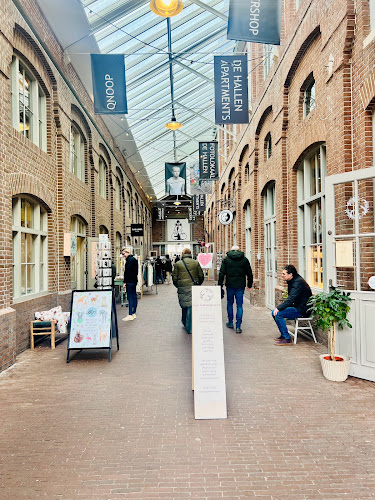
Binnenstad is Amsterdam’s medieval inner city, centered around Dam Square in Amsterdam-Centrum, Amsterdam, Netherlands. The historic core lies within the Singel, Amstel, Kloveniersburgwal, Geldersekade and IJ waterfront, where the dam built on the Amstel around 1270 grew into a trading city of canals, merchants’ houses and civic landmarks. Travelers come to walk the old Burgwallen streets, see the Royal Palace and Oude Kerk, browse independent shops, and connect easily to the rest of the capital from Amsterdam Centraal.
What to Expect at Binnenstad
This is a living city district rather than a ticketed attraction. Start at Dam Square, Amsterdam’s historic civic stage, where Jacob van Campen’s former seventeenth-century town hall became the Royal Palace. From here, the Nieuwezijds Voorburgwal leads toward the Nieuwe Kerk, while the Kalverstraat shopping street and the quiet, enclosed Begijnhof sit a few minutes south. Look closely at the façades along the Singel and Herengracht: narrow plots, hoisting beams and steep gables reflect the space-saving architecture of Amsterdam’s canal-age mercantile city.
East of Damrak, the older Burgwallen Oude Zijde rewards slow exploration. The Oude Kerk, consecrated in 1306, is Amsterdam’s oldest building and has a lofty timber roof, medieval graves beneath its floor and regularly changing contemporary-art presentations. Continue via Zeedijk to Nieuwmarkt, whose 1488 Sint Antoniespoort was converted into the Waag, then follow the Kloveniersburgwal past the brick-and-stone tower of the 1480s Montelbaanstoren. Canal cruises depart nearby on Damrak, but the most revealing route is on foot across the bridges between the Oudezijds and Nieuwezijds quarters.
- Dam Square and Royal Palace: See the monumental 1648–1655 former city hall, designed by Jacob van Campen, on the site of Amsterdam’s original dam.
- Oude Kerk: Enter Amsterdam’s oldest church for its timber vaulting, historic floor burials and changing art programme; separate admission applies.
- Begijnhof: Step into a secluded former beguine courtyard with gabled houses, a chapel and the city’s oldest surviving wooden house, dating from around 1528.
- Nieuwmarkt and the Waag: Circle the former city gate, built in 1488, and the square that remains a focal point for cafés and market days.
- Canal-ring details: Follow the Singel and Herengracht to spot warehouse doors, lifting hooks, ornate neck gables and bridge-level water views.
Binnenstad at a Glance
| Detail | Information |
|---|---|
| Address | Amsterdam, Netherlands; historic core around Dam Square, 1012 JS Amsterdam |
| Neighborhood / Area | Binnenstad, Centrum; Burgwallen Oude Zijde and Burgwallen Nieuwe Zijde |
| Operating Hours | Public streets, squares and canals are accessible 24 hours; churches, museums, shops and markets keep separate hours. |
| Admission / Price Range | Free to explore; individual attractions, canal cruises, cafés and museums are paid separately. |
| Recommended Visit Duration | 2 to 4 hours for a self-guided walk; allow a half-day when entering the Royal Palace, Oude Kerk or museums. |
| Nearest Transit / Parking | Amsterdam Centraal; Rokin on Metro 52; Nieuwmarkt on Metro 51, 53 and 54. Paid garages include Q-Park Bijenkorf and Parking Centrum Oosterdok. |
| Official Website & Phone | City of Amsterdam visitor information; municipal information line 14 020 within the Netherlands. |
Visiting Tips, Getting There & Nearby Pairings
Arrive before 10am for a quieter walk around Dam, the canal bridges and Begijnhof, particularly on weekends. Amsterdam Centraal is roughly a 10-minute walk from Dam Square; Rokin is closer to the southern edge, and Nieuwmarkt is best for the eastern lanes. Tram corridors stop at Dam and Rokin, while the pedestrian-only core is easier to cover on foot than by car. If driving is unavoidable, reserve a paid garage in advance and expect central-street restrictions rather than curbside convenience.
The district has no single step-free route. Pavements can be narrow, bridges are sloped, and many lanes retain uneven brick or cobble surfaces, so wheelchair users and travelers with strollers should favor the broader Damrak, Rokin and Nieuwmarkt routes and use accessible public transport. Pair a Binnenstad walk with the National Monument and Royal Palace on Dam Square, the canal-side Bloemenmarkt beside the Singel, and the red-brick Amsterdam Centraal building at the IJ waterfront; each is within about 5 to 15 minutes on foot, depending on the route.
Frequently Asked Questions
When is Binnenstad open, and what is the best time to go?
Binnenstad’s streets and canal edges are open at all times. For architecture and major landmarks, go early in the morning before shopping and sightseeing traffic builds; confirm opening times directly with any church, museum or palace you intend to enter.
Does it cost anything to visit Binnenstad?
Walking the neighborhood, Dam Square, canals and public streets is free. Budget separately for interiors such as the Royal Palace or Oude Kerk, canal cruises, food and shopping, as there is no district-wide ticket or reservation.
How long should I allow for Amsterdam’s inner city?
Allow two to four hours to walk from Centraal through Dam, Begijnhof and Nieuwmarkt at an unhurried pace. Add at least one hour for each major interior, plus time for a canal cruise or a meal beside Nieuwmarkt or Zeedijk.
Is Binnenstad suitable for families and wheelchair users?
Families will find short walking distances, public squares and many snack stops, but should keep children close around cyclists, trams and canals. Wheelchair users can enjoy the wider main corridors, though bridge gradients, cobbles and narrow sidewalks make advance route planning important; accessibility varies by individual attraction.