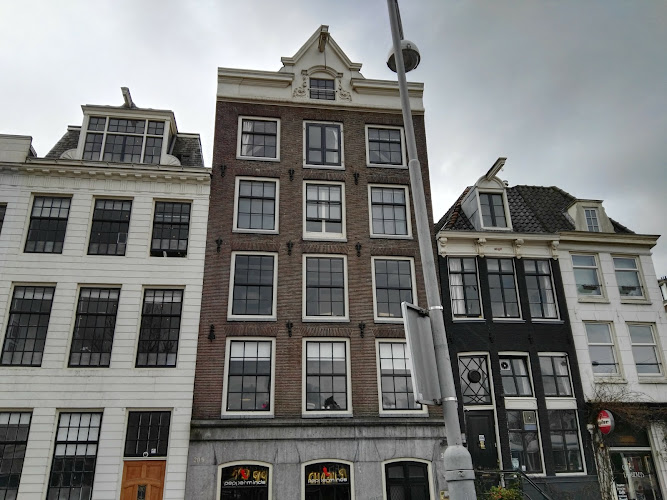
Willet-Holthuysen Museum is a historic canal-house museum at Herengracht 605, 1017 CE, in Amsterdam’s southern Canal Belt near Rembrandtplein, Netherlands. Built in the late 17th century, this double-width mansion preserves the world of collectors Abraham Willet and Louisa Holthuysen. Louisa bequeathed the house and collection to Amsterdam in 1895; it opened as a museum in 1896. Today, visitors come for richly furnished reception rooms, decorative arts, servants’ spaces, and a formal French-style garden, all within a manageable visit to one of the Amsterdam Museum’s locations.
What to Expect at Willet-Holthuysen Museum
The principal attraction is the house itself, rather than a sequence of conventional galleries. Its ballroom, dining room, and salons reveal how a wealthy 19th-century couple entertained and presented themselves. Look at the relationship between furniture, mirrors, chandeliers, and decorative surfaces: these rooms were carefully composed statements of taste. Their historical styles were already retrospective in Abraham and Louisa’s lifetime, expressing their enthusiasm for a romanticized past. The contrast with the basement kitchen makes the household’s social hierarchy tangible, shifting attention from hospitality upstairs to the labor required below.
Abraham’s collecting interests extended across paintings and decorative arts, including Venetian glass and porcelain. Treat the interiors as your main itinerary rather than expecting every category of the wider collection to be displayed together. The French-style garden adds clipped greenery and formal geometry behind the canal façade, offering a different perspective on the deep plots of Amsterdam’s canal houses. Contemporary exhibitions periodically introduce another voice into these historical surroundings. Pick up the free audio tour at the ticket desk; Dutch, English, French, and German versions explain the residents and their rooms.
- Ballroom: The grand entertaining space illustrates the couple’s social ambitions and taste for elaborate historic interiors.
- Dining room and salons: Furnishings and decorative details show how formal hospitality shaped domestic life.
- Basement kitchen: A useful counterpoint to the reception rooms, focusing attention on household work.
- Decorative arts: Glass, porcelain, paintings, and collected objects enrich the story beyond architecture alone.
- French-style garden: Formal planting behind the house contrasts with the canal frontage and busy surrounding streets.
Willet-Holthuysen Museum at a Glance
| Detail | Information |
|---|---|
| Address | Herengracht 605, 1017 CE Amsterdam, Netherlands |
| Neighborhood / Area | Southern Canal Belt, near Rembrandtplein and the Amstel |
| Operating Hours | Daily, 10:00–17:00; check the official visitor page for holiday changes. |
| Admission & Ticket Prices | Paid admission; see official tickets for current rates and concessions. |
| Recommended Visit Duration | 60–90 minutes for the rooms, audio tour, and garden |
| Nearest Transit / Parking | Rembrandtplein: tram 4; Waterlooplein: metro 51, 53, 54. Paid parking at Q-Park Waterlooplein beneath the Stopera. |
| Official Website / Phone | Official visitor information; +31 20 523 1822 |
Visiting Tips, Getting There & Nearby Pairings
Arrive around the 10:00 opening if you prefer to study the rooms before a full day of sightseeing, and book through the official website to review current admission options. Groups should arrange a guided visit in advance; tours accommodate up to 15 people. From Rembrandtplein, the walk takes roughly five minutes; from Waterlooplein metro, allow around eight minutes. Driving offers little advantage in this part of Amsterdam: garage parking is more practical than searching the narrow canal streets. Allow extra walking time for bridges, busy crossings, and cyclists.
This is a multilevel historic house with stairs and no visitor lift, so it is not wheelchair-accessible and is awkward with a stroller. Travelers unable to manage steps should contact the museum before booking; do not expect a step-free circuit through the period rooms. For a compact neighborhood itinerary, pair the house with H’ART Museum, about ten minutes away on the Amstel, or the Museum of Bags’ former neighborhood around the canal streets rather than expecting that closed museum to operate. More straightforward options are the Bloemenmarkt, around ten minutes away, and cafés around Rembrandtplein, approximately five minutes away.
Frequently Asked Questions
What are the opening hours and best arrival time?
Opening hours are 10:00–17:00 daily. Arrive at opening for an unhurried start, or by 15:30 to leave sufficient time. Check holiday schedules before traveling.
Is admission free, and should I reserve?
Admission is paid. Use the official ticket page for current prices, concessions, and booking conditions. Advance booking is useful when your Amsterdam itinerary has little flexibility.
How long does a visit take?
Allow 60–90 minutes. An hour suits a focused look at the interiors; add time for the multilingual audio tour, garden, and any temporary exhibition.
Is it suitable for children and wheelchair users?
Children interested in old houses can compare the grand rooms with the kitchen, but this is primarily a looking-and-listening visit. Stairs and the absence of a lift prevent wheelchair access.
When planning your Amsterdam travel guide or comparing verified attractions and museums in Amsterdam, pair this stop with standout local spots including Bistrot des Alpes, Temple Bar, Breakfast, Lunch & Dinner, and Restaurant 212 (nearby).