CityHub Amsterdam occupies a converted commercial building on Jan van Galenstraat in Amsterdam’s Old West district, a residential and working-class pocket of the city that sits outside the postcard canal belt but delivers a sharper, more current read on how Amsterdam actually lives. The property markets itself as a design hotel rather than a hostel, though it borrows the compact-sleeping-pod logic of Japanese capsule hotels and reshapes it with Dutch industrial materials, a self-service bar, and an app-controlled room system. It has become a fixture on “alternative Amsterdam stays” lists precisely because it refuses the two dominant categories most travelers expect: the canal-house boutique hotel or the party hostel dormitory.
CityHub Amsterdam is a design-forward micro-hotel at Jan van Galenstraat 24 in Amsterdam Old West, roughly a 20-25 minute walk or 10-minute tram ride from the city center. Private sleeping “Hubs” run approximately €70-€150 per night depending on season, controlled entirely via a smartphone app. Highlights include a self-service bar, communal lounge, and rooftop terrace. Best for solo travelers, couples, and design-conscious budget visitors seeking privacy without full hotel pricing.
At A Glance
| Category | Details |
|---|---|
| Address | Jan van Galenstraat 24, 1051 KM Amsterdam, Netherlands |
| Operating Hours | Front desk/app access 24/7; bar typically open 16:00–23:00 |
| Price Range / Admission | €70–€150 per Hub per night (seasonal, non-refundable rates lower) |
| Highlights | Private sound-proofed Hubs, self-service bar, communal kitchen-lounge, app-based check-in, rooftop terrace |
| Transport/Transit Access | Tram 7 or 17 to Ten Katestraat/Jan van Galenstraat; 20-min walk from Amsterdam Centraal; bike-share docks nearby |
Deep Origins, Architectural Evolution and Cultural Significance
CityHub launched its first Amsterdam location as a direct response to a gap the founders identified in the city’s accommodation market: travelers wanted privacy but not the price tag of a full-service hotel room, and they wanted design sensibility without sacrificing budget. The concept borrowed structurally from Japanese capsule hotels but rejected their claustrophobic, purely functional aesthetic in favor of something closer to a shipping-container loft. The building itself sits in Amsterdam Old West, a neighborhood that underwent significant gentrification through the 2010s as young professionals, artists, and second-generation immigrant families reshaped former working-class blocks near De Hallen and Ten Katemarkt. CityHub’s arrival mirrors that broader shift: converting a formerly industrial or commercial shell into a hospitality product aimed at a generation raised on Airbnb convenience but craving hotel-grade privacy and control.
Architecturally, the property strips away traditional hotel corridors and front-desk bureaucracy in favor of a single ground-floor social hub that funnels guests toward stacked, module-style sleeping units. Each Hub functions as an enclosed pod with a door that locks via smartphone app rather than a physical key or card, a detail that positions CityHub firmly within Amsterdam’s broader embrace of app-first, staff-light hospitality models also seen in newer co-living developments across the city. The design language leans on raw concrete, blackened steel, and warm timber accents, avoiding the clinical white of many capsule-hotel predecessors. This matters culturally because it signals a shift in how Amsterdam’s hospitality sector markets budget travel: not as a compromise, but as a considered aesthetic choice aligned with minimalist Scandinavian-Dutch design trends.
CityHub has since expanded to Rotterdam and Copenhagen, but the Amsterdam original remains the reference property, frequently cited in design and hospitality trade press as an early example of the “pod hotel meets social hostel” hybrid model now replicated across European cities facing housing-density pressures and short-term rental regulation.
Signature Highlights and Detailed Offerings
The core product is the Hub itself: a private sleeping module roughly the footprint of a small bedroom, containing a double bed, personal locker, charging ports, a small desk shelf, and blackout curtains rather than a solid door in some configurations, with sound insulation designed to dampen noise from the shared corridor. Bathrooms are shared but kept in a ratio designed to minimize wait times, finished in dark tile with rainfall showerheads and Amsterdam-branded toiletries in refillable dispensers. Guests check in via a self-service kiosk or the CityHub app, which also issues the digital key, eliminating front-desk queues almost entirely.
The ground-floor social zone operates as the property’s real cultural centerpiece. The self-service bar runs on an honesty-system tap card: guests load credit and pour their own draft beer, wine, or soft drinks, a detail that consistently ranks among the most-mentioned features in guest reviews. Snack offerings rotate between simple Dutch bar fare, think bitterballen, tosti (Dutch grilled cheese sandwiches), and packaged local snacks, priced individually in the €3-€6 range rather than bundled into a minibar markup. A communal lounge area with mismatched vintage-industrial seating, board games, and a small library corner functions as the informal meeting point for solo travelers, while a rooftop terrace, seasonal and weather-dependent, opens for guests seeking skyline views over the low-rise rooftops of Old West rather than the classic canal-house vista tourists expect.
- Private sound-insulated Hub with app-controlled lock
- Self-service honesty bar with local beer and wine
- Communal kitchen-lounge with board games and workspace seating
- Rooftop terrace (seasonal access)
- Shared bathrooms with rainfall showers
- 24/7 digital check-in via smartphone app
Sensory and Spatial Walkthrough
Entering CityHub Amsterdam from the street, the material shift is immediate: exposed concrete floors, blackened steel staircases, and warm plywood cladding replace the marble-and-brass expectation of a traditional hotel lobby. Natural light enters primarily through large street-facing windows in the ground-floor lounge, filtered by day into long horizontal bands across the communal tables, while evening hours bring low, warm-toned pendant lighting that shifts the mood from co-working space to informal bar. Acoustically, the ground floor carries a low hum of conversation and occasional music from the bar speakers, but the Hub corridors above are noticeably quieter, insulated enough that most guests report minimal noise bleed between units, a deliberate architectural choice given the density of the sleeping arrangement.
Inside the Hub itself, the sensory register narrows: soft mattress firmness, blackout curtain fabric that mutes hallway light almost completely, and a faint mechanical hum from the ventilation system that most guests find unobtrusive within a night or two. Seating throughout the communal areas favors low stools and long communal benches over private booths, a spatial choice that nudges solo travelers toward conversation rather than isolation. By late morning the lounge empties as guests head out for the day, leaving a calmer, almost café-like atmosphere ideal for guests working remotely before checkout.
Insider Visitor Strategy and Pro Tips
Book directly through the CityHub website rather than third-party OTAs when possible; direct bookings occasionally unlock flexible-rate perks and the property’s own last-minute discount alerts. Rates spike significantly during King’s Day (April 27), Pride Amsterdam (early August), and the December holiday period, so booking six to eight weeks ahead for those windows is strongly advised. The self-service check-in kiosk moves fastest between 15:00-17:00; arriving right at the 15:00 check-in opening or after 20:00 avoids the peak queue that forms when multiple flights and trains land in the late afternoon. Bag storage is available for early arrivals or late departures, useful given Amsterdam’s early morning museum-opening rush at nearby attractions. Camera and photography restrictions are minimal since this is a functioning hotel, but guests should be mindful of photographing other guests in shared lounge spaces. For the best interior photography, the rooftop terrace at golden hour and the ground-floor bar during the quieter late-morning lull offer the cleanest compositions without crowding.
Curated Half-Day Neighborhood Pairing Itinerary
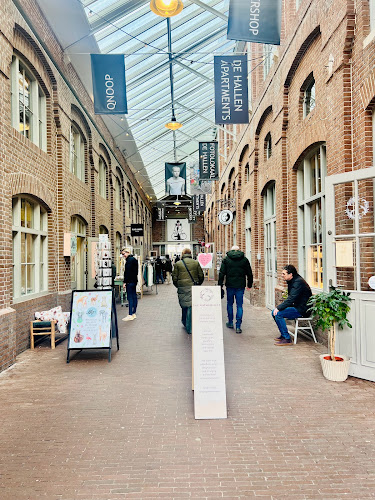
Start the morning at De Hallen, a former tram depot converted into a food hall and cultural complex roughly eight minutes on foot from CityHub, grabbing coffee and a stroopwafel from one of the independent stalls inside. From there, walk five minutes to Ten Katemarkt, a daily open-air market on Ten Katestraat known for affordable produce, cheese stalls, and Surinamese and Moroccan food vendors reflecting the neighborhood’s immigrant heritage. Continue another ten minutes toward Erasmuspark, a quiet green space favored by locals for a midday break away from tourist density, ideal for a bench lunch or a short walk along its central pond. Close the loop by heading back toward Kinkerstraat, a working shopping street lined with independent boutiques and casual eateries, before returning to CityHub, completing a circuit of roughly 45 minutes of walking distributed across three distinct cultural stops.
Practical Logistics and Accessibility
From Amsterdam Centraal, take tram 7 or tram 17 toward Osdorp/Slotervaart and disembark at the Ten Katestraat or Jan van Galenstraat stop, a walk of roughly two to three minutes to the entrance. Cyclists can use the GVB or OV-fiets bike-share docks scattered throughout Old West; the property is roughly a 15-minute ride from Centraal Station along well-marked bike lanes. Step-free access is available at the main entrance, though guests requiring full mobility accommodation should confirm ground-floor Hub availability directly with the property, as some units are accessed via stairs. Nearby parking is limited and expensive by design, consistent with Amsterdam’s car-discouragement policy; the closest paid garage, P1 Wielingenstraat, charges approximately €4-€6 per hour with day-rate caps near €30. Dress code is entirely casual, and payment is accepted via card, contactless, and the in-house app credit system for bar purchases; cash is discouraged and in some cases not accepted at the self-service bar.
Frequently Asked Questions
Is CityHub Amsterdam suitable for solo female travelers? Yes, the app-locked private Hubs and shared but monitored communal spaces make it a commonly recommended option for solo travelers seeking privacy without full hotel cost.
Do Hubs have private bathrooms? No, bathrooms are shared and located along each floor, though maintained at a ratio intended to minimize waiting.
How far is CityHub Amsterdam from the main canal district? Approximately 20-25 minutes on foot or roughly 10 minutes by tram from Amsterdam Centraal and the historic canal belt.
Can I check in without a smartphone? The system is built around app-based check-in, but staff at the self-service kiosk can assist guests without a compatible device.
Is breakfast included? No, breakfast is not typically included in base rates; guests purchase snacks and drinks individually at the self-service bar or visit nearby cafes such as those inside De Hallen.
Is CityHub Amsterdam good for families with children? The compact Hub format and shared-bathroom layout make it better suited to solo travelers and couples than families, though some larger Hub configurations exist for two adults.