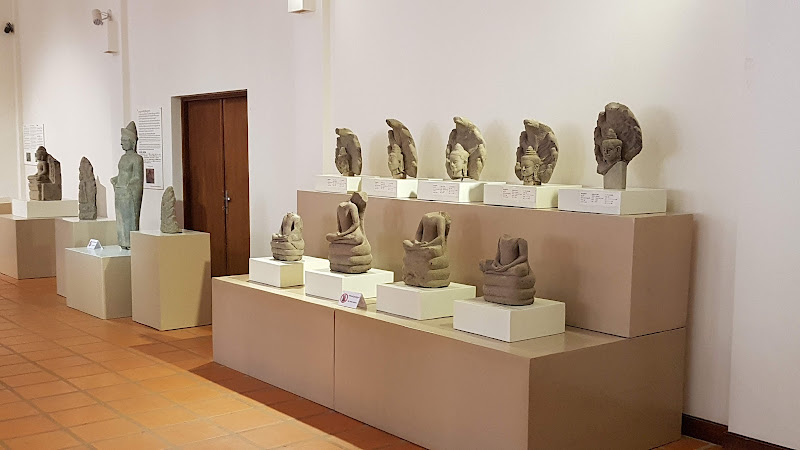
Miniature Replicas of Angkor’s Temples is a small, privately created temple-model collection at 9V77+F92, Krong Siem Reap, Cambodia, on the Siem Reap River’s eastern side near Wat Po Lanka. Set in the garden of Cambodian sculptor Dy Proeung, it presents Angkor’s monumental architecture at a scale you can take in from above. Travelers come for the handmade craftsmanship and a clearer understanding of temple layouts that can be difficult to grasp while walking through the full-sized monuments.
What to Expect at Miniature Replicas of Angkor’s Temples
Expect a domestic garden setting rather than a conventional museum with climate-controlled galleries. Dy Proeung’s models include Angkor Wat, the Bayon, and Banteay Srei, making this a focused encounter with Khmer architectural forms. Look across the miniature compounds before examining individual towers: their arrangement explains the relationship between gateways, enclosures, and central sanctuaries. The attraction’s appeal lies in that change of perspective, with structures normally towering overhead becoming compositions readable at a glance.
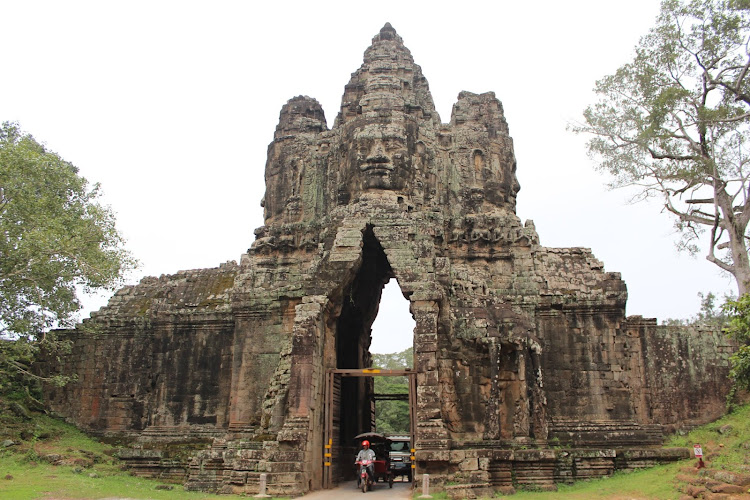
The monuments represented span distinct moments in Khmer history. Angkor Wat was built in the early 12th century under Suryavarman II and originally dedicated to Vishnu. The Bayon, associated with Jayavarman VII’s late-12th- and early-13th-century building program, is celebrated for its face towers. Banteay Srei, consecrated in 967, is renowned for elaborate carving in pink sandstone. Comparing their miniature interpretations makes a useful introduction before visiting Angkor, or a thoughtful recap afterward. Start with the overall plans, then return to details you recognize from the archaeological park.
- Angkor Wat model: Study the temple’s ordered composition and central tower group from an elevated viewpoint.
- Bayon model: Compare its clustered towers with Angkor Wat’s more immediately legible symmetry.
- Banteay Srei model: See how a smaller temple’s proportions contrast with Angkor’s imperial-scale monuments.
- Dy Proeung’s craftsmanship: Focus on the sculptor’s translation of architectural forms into handmade miniature structures.
- Garden-scale viewing: Move around the models to understand relationships between buildings rather than viewing only their facades.
Miniature Replicas of Angkor’s Temples at a Glance
| Detail | Information |
|---|---|
| Address | 9V77+F92, Krong Siem Reap, Cambodia; use the Plus Code for navigation. |
| Neighborhood / Area | East-bank residential area near Wat Po Lanka. |
| Operating Hours | Monday–Sunday, 8am–6pm. |
| Admission / Price Range | Paid admission; budget tier ($). Ask the operator for the current entrance charge. |
| Recommended Visit Duration | 30–45 minutes. |
| Nearest Transit / Parking | Tuk-tuk or walking; no urban metro or tram. Arrange roadside drop-off and parking with your driver. |
| Official Website & Phone | Telephone inquiries: +855 87 267 253. |
Visiting Tips, Getting There & Nearby Pairings
Arrive between 8am and 10am for cooler conditions in this outdoor setting; late afternoon is another comfortable option. Phone ahead before making a special journey, particularly on holidays, and ask about admission and any hosted explanation. Carry small-denomination cash and drinking water. Ask permission before photographing people or private domestic areas, and never climb on or touch the models. Keep bags compact rather than planning around a cloakroom, and organize refreshments elsewhere. A hat and rain protection are more useful here than formal museum attire.
Show your tuk-tuk driver the Plus Code and the name Dy Proeung; the residential location is easier to identify that way than by the English attraction name alone. The collection is outdoors at garden level, not arranged across upper-floor galleries, but garden level does not establish step-free access. Wheelchair users should call about entrance thresholds, path widths, and turning space; strollers may require lifting at obstacles. Nearby pairings include Wat Po Lanka, roughly 5–10 minutes away on foot, and the Royal Independence Gardens or Angkor National Museum, each approximately 10–15 minutes away depending on the river crossing and entrance used.
Frequently Asked Questions
What are the opening hours and best visiting time?
Opening hours are 8am–6pm daily. Aim for the first two hours of the morning to examine the outdoor models before the strongest heat, and telephone ahead if your schedule is tight.
How much does admission cost, and should I book?
This is a paid, budget-priced attraction with its own admission arrangements, separate from the Angkor archaeological park. Call +855 87 267 253 for the current fee and arrangements for groups or a hosted visit.
How long should I allow?
Allow 30–45 minutes to circle the models and compare their architecture. An hour gives photography enthusiasts or travelers especially interested in Khmer temple design more time without rushing.
Is it suitable for children or visitors with limited mobility?
The small-scale temples can help children understand buildings they have seen at Angkor, but this is a look-don’t-touch collection. Visitors with limited mobility should discuss the garden approach directly with the operator before traveling; do not assume smooth paths or accessible toilets.
When planning your Angkor Wat travel guide or comparing verified attractions and museums in Angkor Wat, pair this stop with standout local spots including MGC Asian Traditional Textiles Museum, Angkor Wat, Khmer Grill, and Angkor National Museum (0.5 km away).