Aspen Center for Environmental Studies is a nonprofit environmental science education organization at 100 Puppy Smith St, Aspen, CO 81611, on the Hallam Lake preserve just northwest of downtown Aspen. Founded in 1968 by naturalist Stuart Mace, ACES introduces visitors to Rocky Mountain ecology through lakeside walking paths, naturalist-led programs, birding, interpretive learning and conservation work focused on the Roaring Fork Valley.
What to Expect at Aspen Center for Environmental Studies
Hallam Lake is the Aspen campus of ACES: a compact nature preserve where wetland, lake-edge and woodland habitats meet beneath views of the surrounding Elk Mountains. Start at the Nature Center for orientation, then walk the short paths around the lake at an unhurried pace. Interpretive displays and programming connect the animals and plants seen on site with larger issues including watershed health, forest conditions and climate resilience in Colorado’s high country.
The strongest reason to check the calendar before arriving is ACES’s active schedule. Naturalist Guided Tours, birding outings, family activities, winter lectures and seasonal events turn a self-guided stop into a more detailed field lesson. ACES also operates Rock Bottom Ranch in nearby Basalt and Toklat at Snowmass, while its Forest Health Index and Roaring Fork River Gauge extend the organization’s local conservation work beyond the Hallam Lake grounds. Guided activities may require advance registration and are especially useful for visitors seeking expert identification of birds, tracks, trees and alpine ecosystems.
- Hallam Lake: Follow the preserve paths beside the lake, a reliable place to pause for waterfowl, songbirds and seasonal wildlife observation.
- Naturalist Guided Tours: Join field-based walks and hikes led by ACES educators for a closer look at Rocky Mountain plants, wildlife and conservation questions.
- Birding Programs: ACES schedules bird-focused outings for beginners and experienced observers; bring binoculars and dress for rapidly changing mountain weather.
- Forest Health Index: Explore ACES’s Colorado-focused forest data initiative, which explains conditions across watersheds and the pressures shaping regional forests.
- Family and Youth Learning: Seasonal camps, school programs and family events make the campus a practical introduction to outdoor science for children.
Aspen Center for Environmental Studies at a Glance
| Detail | Information |
|---|---|
| Address | 100 Puppy Smith St, Aspen, CO 81611 |
| Neighborhood / Area | Hallam Lake, just northwest of downtown Aspen |
| Operating Hours | Monday–Friday, 9am–5pm; closed Saturday and Sunday. Program times vary. |
| Admission / Price Range | Free admission to the campus and preserve; donations welcome. Some guided programs and events require registration and may carry a fee. |
| Recommended Visit Duration | 45 to 75 minutes independently; longer for a scheduled program or tour. |
| Nearest Transit / Parking | Rubey Park Transit Center is about a 10–15 minute walk; limited on-site parking is available near the Puppy Smith Street entrance. |
| Official Website & Phone | aspennature.org · +1 970-925-5756 |
Visiting Tips, Getting There & Nearby Pairings
Arrive in the morning for quieter trails and better chances of seeing birds before downtown activity builds. Check the official ACES calendar before traveling, particularly for guided hikes, birding and winter talks, as program locations and registration requirements change seasonally. Bring layers, water, sunscreen and shoes suited to dirt paths; Aspen’s altitude and afternoon thunderstorms can make a simple lakeside visit feel more demanding than expected.
From downtown, walk west toward Puppy Smith Street or use the Roaring Fork Transportation Authority service to Rubey Park Transit Center, then continue on foot; transit information is available from RFTA. The Nature Center provides the most straightforward indoor stopping point, while paths around Hallam Lake are natural-surface and can be uneven, muddy or snowy; trail accessibility changes with weather. Pair a visit with the John Denver Sanctuary and its landscaped creekside gardens, the Aspen Pedestrian Mall, or the historic Hotel Jerome, all within roughly a 5–15 minute walk.
Frequently Asked Questions
What are the best hours to visit ACES?
The Aspen Center for Environmental Studies is open Monday through Friday from 9am to 5pm and closes on weekends. Morning is the best time for a calm walk around Hallam Lake and for wildlife watching; confirm scheduled program times online before setting out.
Is admission to Hallam Lake free?
Admission to the ACES campus and Hallam Lake preserve is free, with donations supporting the nonprofit’s education and conservation work. Guided walks, special events and some classes can require advance registration and may have separate fees.
How long should I allow for a visit?
Allow 45 to 75 minutes for the Nature Center and an easy circuit of the lakeside paths. Reserve two hours or more for a naturalist-guided outing, and allow extra time if you plan to birdwatch or explore seasonal learning activities.
Is ACES suitable for children and visitors with mobility needs?
ACES is well suited to families, with youth programs and short outdoor experiences that make local ecology approachable. The indoor Nature Center is the best option for a brief accessible stop, while the preserve’s unpaved paths have variable surfaces and conditions; contact ACES before arrival for program-specific accommodations.
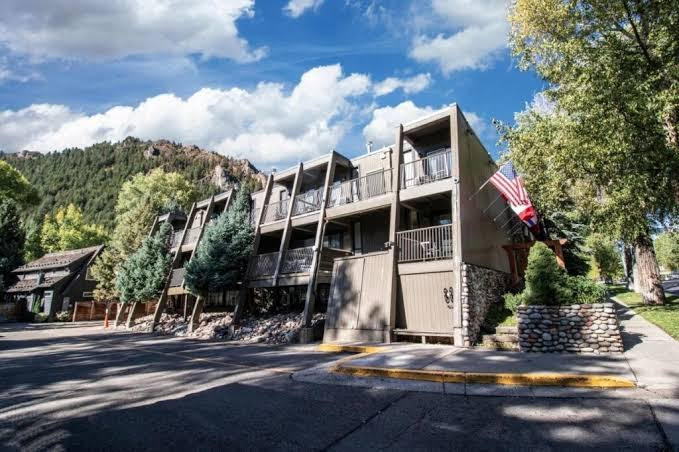
When planning your Aspen travel guide or comparing verified attractions and nature preserve in Aspen, pair this stop with standout local spots including MOLLIE Aspen, Aspen Pedestrian Mall, Vic's, and Tyrolean Lodge (0.4 km away).