
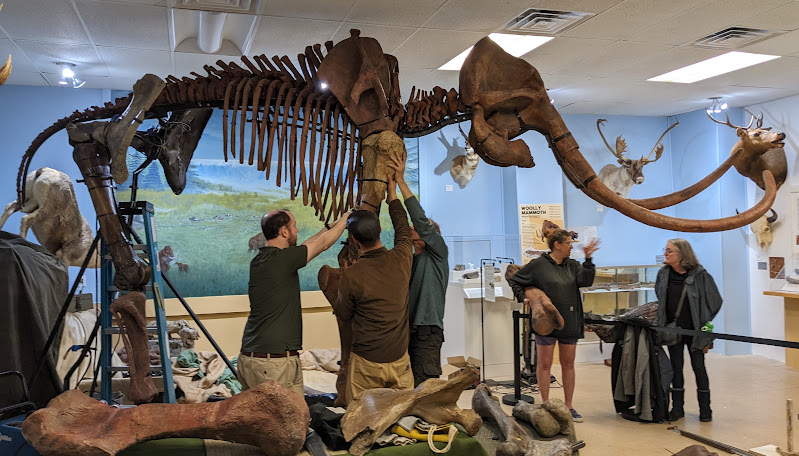
Natural History Society of Maryland, now presenting its museum as the Maryland Museum of Natural Sciences, is a natural-history institution at 6908 Belair Road, Baltimore, MD 21206, in Overlea, just beyond Baltimore’s northeastern city boundary. Founded in 1929, the society preserves Maryland’s scientific collections and connects visitors with the state’s geology, wildlife, and prehistoric past. Travelers come for free museum admission, specimen-based learning, and a statewide program of lectures, clubs, and outdoor exploration—not a sprawling downtown science center.
What to Expect at Natural History Society of Maryland
The current exhibition, The Making of Maryland: One Billion Years and Counting, provides the clearest starting point. Its subject is the long development of a state whose landscapes range from Appalachian mountains to Atlantic coastal environments. Start here before looking more closely at individual specimens: the geological framework makes fossils and minerals easier to understand. The experience emphasizes Maryland itself rather than a continent-by-continent survey, rewarding visitors who want context for places they will explore outdoors.
The institution’s collecting strengths include paleontology, ornithology, and mineralogy/geology: fossils, birds, and the rocks and minerals underlying regional landscapes. Research collections and public displays are different things, so arrange a group visit if you have a particular scientific interest. The exhibition archive includes The Ice Age in Maryland and The Cabinet of Curiosities; these are historical exhibition titles rather than promises of current displays. Beyond the galleries, Nature Connections, field trips, scout activities, lectures, and clubs extend the museum’s educational work.
- The Making of Maryland: The current exhibition follows the state’s natural history across a billion-year timescale.
- Paleontology collections: Fossil material supports the institution’s exploration of ancient life and changing environments.
- Ornithology collections: Bird specimens connect identification and anatomy with the scientific study of regional wildlife.
- Mineralogy and geology: Rocks and minerals offer a physical introduction to the processes that shaped Maryland.
- Nature Connections and field trips: Scheduled programs provide opportunities to learn with naturalists beyond an ordinary gallery visit.
Natural History Society of Maryland at a Glance
| Detail | Information |
|---|---|
| Address | 6908 Belair Road, Baltimore, MD 21206 |
| Neighborhood / Area | Overlea, northeastern Baltimore metropolitan area |
| Operating Hours | November 1–March 31: Thursday–Saturday, 10 AM–3 PM; third Thursday, 10 AM–8 PM. Sunday–Wednesday closed for regular public visiting. Check seasonal and holiday updates. |
| Admission / Price Range | Free general admission; $ overall. Check individual listings for program fees. |
| Recommended Visit Duration | 45 to 90 minutes; longer for scheduled activities |
| Nearest Transit / Parking | MDOT MTA LocalLink 54 on Belair Road; check stop locations and visitor parking arrangements before arrival. |
| Official Website & Phone | Maryland Museum of Natural Sciences; (410) 882-5376 |
Visiting Tips, Getting There & Nearby Pairings
Arrive at 10 AM for an unhurried circuit, or use the third-Thursday evening opening when a daytime visit is inconvenient. Check the calendar before traveling: field trips and workshops can have separate registration, meeting points, and charges. Arrange school or organized group visits directly. Carry a small bag, and ask staff about photography, flash, and handling restrictions before approaching specimens. For wheelchair or stroller visits, discuss entrance thresholds, step-free routing, restroom access, and seating with staff beforehand; make these arrangements especially carefully for off-site activities.
Belair Road is US Route 1, a busy arterial rather than a pedestrian museum district. LocalLink 54 is the relevant bus corridor; consult MDOT MTA for the appropriate stop and current service. Drivers should ask the museum where to park rather than use neighboring business spaces. For nearby pairings, walk south toward Overlea Town Hall, 6806 Belair Road, roughly five minutes away, then explore the Belair Road dining storefronts for a casual meal. These make a straightforward neighborhood outing without adding another cross-city journey; use marked crossings along the road.
Frequently Asked Questions
What are the hours, and when is the best time to visit?
Fall and winter public hours are Thursday–Saturday, 10 AM–3 PM, with opening until 8 PM on the third Thursday. Morning arrival gives you the full visiting window; check the official calendar for holiday changes and hours outside November–March.
Is admission free, and are reservations required?
General museum admission is free during public opening hours. Book organized group visits directly, and review individual event listings for registration requirements and any additional fees.
How much time should I allow?
Allow 45 to 90 minutes for the exhibition and a close look at displays. A lecture, workshop, or guided activity needs its own additional time allowance.
Is it suitable for families and visitors with mobility needs?
Families interested in fossils, birds, and rocks will find a focused introduction to Maryland’s natural world, with Nature Connections and scout programming worth checking. Call (410) 882-5376 to discuss mobility requirements for the museum or the terrain of a particular field trip.
When planning your Baltimore travel guide or browsing verified attractions in Baltimore, pair this stop with standout local spots including The Peale, The Public Works Experience, Ampersea, and The National Great Blacks In Wax Museum (7.8 km away).


