
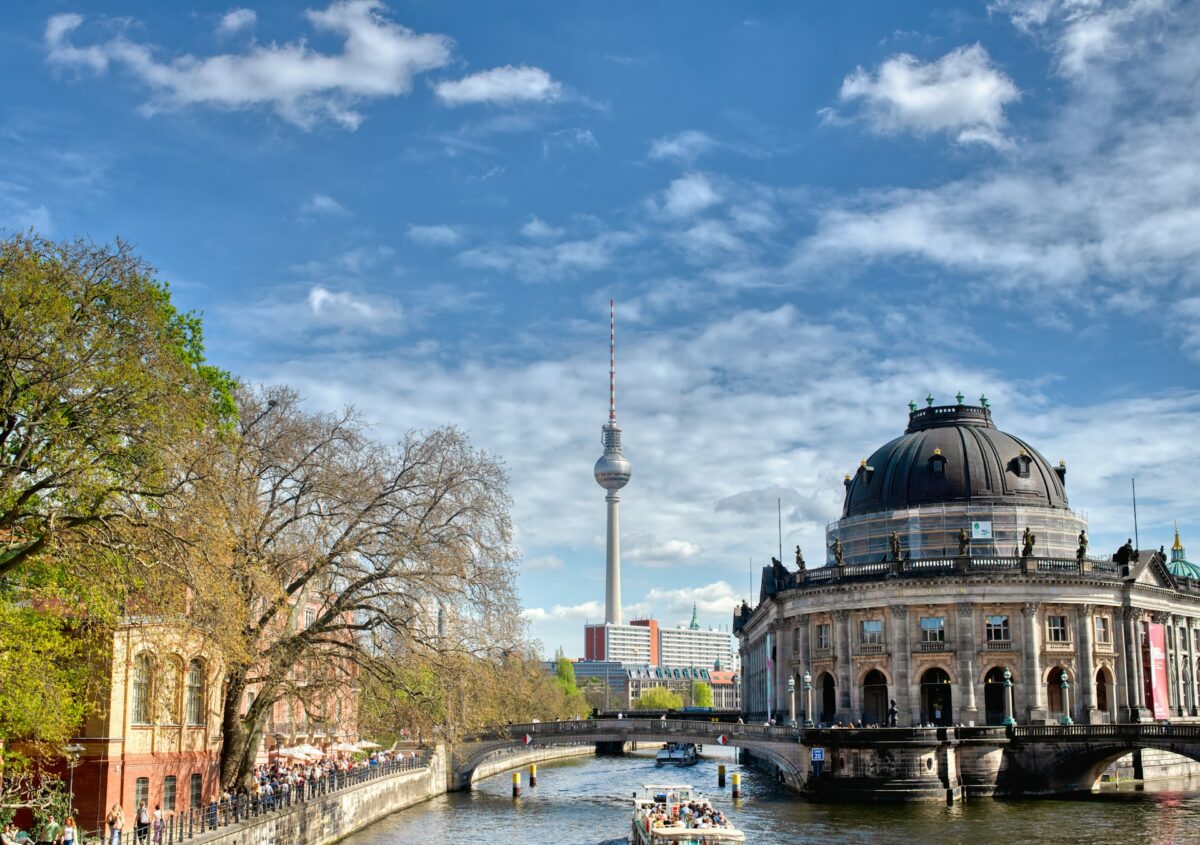
Bode-Museum stands at the northern tip of Berlin’s Museum Island, where the Spree and Kupfergraben canal frame one of the city’s most theatrical museum façades. The neo-Baroque building was designed by Ernst von Ihne, opened in 1904 as the Kaiser-Friedrich-Museum, and was renamed in 1956 for founding director Wilhelm von Bode.
Inside, this is less a chronological survey than an atmospheric encounter with European sculpture, Byzantine art and the Münzkabinett coin collection. Grand rooms, period-minded displays and a sequence of religious and courtly objects make it a rewarding choice for visitors who want a focused art museum with real architectural presence.
Standout Highlights & What Not to Miss
Allow time to look up as well as at the cases and pedestals. Bode’s appeal is its staging: sculpture, paintings, furniture and architectural fragments are often arranged to evoke the periods from which they came. Begin with the building’s largest spaces, then choose whether your main thread will be Renaissance sculpture, Byzantine material or coins.
- Great Dome Hall: The entrance hall delivers the museum’s grand first impression, centered on a bronze cast of Andreas Schlüter’s equestrian statue of the Great Elector. Pause here before moving quickly onward; it establishes the scale and decorative ambition of the building.
- Renaissance Basilica: This gallery recreates the feeling of a Florentine Renaissance church. Look for glazed terracotta altars associated with the della Robbia workshop, and notice how the architecture helps the objects read as part of a larger devotional setting.
- Italian and German sculpture: Donatello and late-Gothic German carving are major draws. Wooden figures by Tilman Riemenschneider reward a slower look, especially for their expressive faces, drapery and traces of the material’s original presence.
- Byzantine collection: Move from late Roman sarcophagi and ivories to icons and the sixth-century apse mosaic from San Michele in Africisco in Ravenna. The mosaic is a clear reason not to treat this museum solely as a sculpture stop.
- Münzkabinett: One of the world’s largest numismatic collections, it displays selected coins and medals from a far larger holding. It is especially satisfying for visitors interested in rulers, trade, portraiture and how small objects can carry political history.
Visitor Strategy & Planning Snapshot
| Planning Factor | What to Expect | Practical Strategy |
|---|---|---|
| Ideal Arrival Window | The building’s major halls are most enjoyable when you can enter without feeling rushed by a larger Museum Island itinerary. | Make Bode your first substantial indoor stop, or reserve it for a quieter, art-centered block rather than squeezing it between headline sights. |
| Typical Time Needed | A visit commonly takes 1.5 to 2.5 hours, with more time useful for close study of sculpture or the coin displays. | Choose two collection priorities before arrival. A focused route is better than trying to absorb every room at the same pace. |
| Booking / Queue Reality | Museum Island is a major visitor area, and entry arrangements can vary by date, exhibition and ticket type. | Check the official museum information before setting out, particularly if you are coordinating several museums or a timed day in central Berlin. |
| Terrain & Accessibility | Elevators connect all gallery floors, while broad halls support step-free movement for wheelchair users and strollers. | Use the elevators rather than treating staircases as part of the route. Large bags are best handled through the cloakroom or lockers. |
| Weather / Seasonal Fit | This is a strong all-weather museum stop, with its architectural interiors providing a useful reset from exposed riverside walks. | Pair it with outdoor Museum Island views in fair weather; on wet or cold days, give the galleries the longer share of your schedule. |
Honest Trade-Offs: Best For vs. Who Might Skip
Bode-Museum is best for art lovers, history-minded travelers and first-time Berlin visitors who value distinctive collections over a broad, fast-paced overview. Its strongest pleasures are contemplative: medieval and Renaissance sculpture, Byzantine religious art, decorative interiors and the unexpected detail of coins and medals. It is also a smart option for travelers seeking an accessible Museum Island museum with wide galleries. Visitors who mainly want modern art, interactive displays, contemporary political history or a short photo-only stop may find the experience more specialized than they expect. The dense presentation can feel demanding for younger children or for anyone with little interest in pre-modern art. In that case, choose a few anchor works, enjoy the Dome Hall and Basilica, and keep the visit deliberately selective rather than forcing a full circuit.
Neighborhood Context & How to Pair Your Visit
Because Bode-Museum occupies the northern end of Museum Island in Mitte, it fits naturally into a walkable central-Berlin day. Start along the Spree and take in the exterior before entering; the riverside position explains why the building reads so dramatically from nearby bridges and paths. From here, continue through Museum Island toward other major collections, or cross into the historic center for Berlin Cathedral, boulevard walks and the streets around Hackescher Markt. The museum also works well as a calmer counterpoint to a busier sightseeing morning: use its small-dome café for a pause, browse the shop after the galleries, then continue on foot rather than treating it as an isolated attraction. Keeping the route compact leaves more attention for the museum’s interiors, which are a destination in their own right.
When planning your Berlin travel guide or comparing verified attractions and museums in Berlin, pair this stop with standout local spots including Altes Museum, Berlinische Galerie, Courtyard by Marriott Berlin City Center, and Monbijoupark (0.2 km away).


