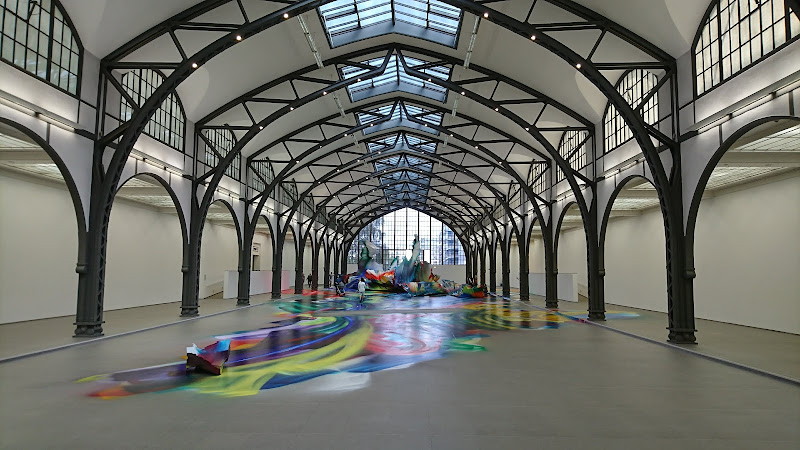
Hamburger Bahnhof – Nationalgalerie der Gegenwart is Berlin’s national museum for art from 1960 onward, installed in a monumental former railway terminus near Berlin Hauptbahnhof. The setting is inseparable from the experience: an 1840s station building with a long, lofty central hall has been adapted for contemporary art without losing its sense of industrial scale, arrival and movement.
In Moabit, on the northwestern edge of the central visitor districts, it is an especially rewarding museum for travelers who want both major postwar names and architecture with real presence. Its galleries range from the historic train hall to the extended Rieckhallen spaces, making this a place to slow down rather than a quick collection check-off between landmarks.
Standout Highlights & What Not to Miss
The museum’s strength is the dialogue between an unusually dramatic building and works made to hold their own within it. Permanent holdings and temporary presentations can change, so treat individual displays as a bonus; the enduring draw is the chance to encounter influential contemporary art at architectural scale.
- The former station hall: Start by looking upward and across before concentrating on the artworks. The broad historic volume, iron-and-glass character and long sightlines explain why large installations feel so at home here.
- The Marx Collection: The collection is closely associated with significant works by Joseph Beuys, Andy Warhol, Robert Rauschenberg, Cy Twombly and Anselm Kiefer. Check which works are currently on view rather than assuming every celebrated piece will be displayed.
- Joseph Beuys in context: Allow time for the conceptual and material density of Beuys’s work. Labels, room sequences and guided interpretation can be particularly useful for visitors new to his ideas.
- The Rieckhallen galleries: These former freight-shed spaces extend the visit beyond the main building and often suit ambitious, room-sized presentations. Do not leave after the central hall; the transition itself is part of the museum’s appeal.
- Dan Flavin’s light work: The fluorescent installation associated with the façade and courtyard offers a memorable counterpoint to the station’s historic fabric. Notice how colored light changes the mood of an otherwise austere setting.
Visitor Strategy & Planning Snapshot
| Planning Factor | What to Expect | Practical Strategy |
|---|---|---|
| Ideal Arrival Window | Quieter gallery viewing is generally easier near opening or later in the day; special exhibitions can alter the rhythm. | Arrive with enough time to orient yourself in the hall before heading into the denser galleries. |
| Typical Time Needed | A focused visit takes about 2 to 3 hours, with more time useful for temporary exhibitions and close reading. | Reserve a half-day if contemporary art is a priority or if you plan to pair it with a meal nearby. |
| Booking / Queue Reality | Entry arrangements, ticketing and tour availability may vary with exhibitions and events. | Check current admission guidance before traveling, especially on weekends, holidays or during major Berlin art events. |
| Terrain & Accessibility | The museum has a step-free entrance; elevators connect the historic hall, gallery wing and Rieckhallen, and loan wheelchairs are available. | Ask staff on arrival about the most direct accessible route and any temporary gallery restrictions. |
| Weather / Seasonal Fit | This is a strong all-weather cultural stop, with generous indoor spaces that work well in rain, cold or summer heat. | Use it as the substantial indoor anchor of a day around the Hauptbahnhof and Moabit area. |
Honest Trade-Offs: Best For vs. Who Might Skip
Hamburger Bahnhof is best for art lovers, architecture fans, culture seekers and first-time Berlin visitors who value a museum experience with real breadth. It rewards curiosity: some work is challenging, conceptual or deliberately slow to absorb, and the scale of the building can make a visit feel demanding if you try to see every room. Travelers seeking a compact, chronological introduction to German art, a family attraction built around hands-on activity, or a museum devoted mainly to older masters may prefer another institution. The payoff here is not constant visual spectacle; it is the accumulated conversation between landmark artists, changing programs and a repurposed transport building.
Neighborhood Context & How to Pair Your Visit
Pair the museum with Berlin Hauptbahnhof, a short walk away, then use the surrounding government-quarter paths and Spree-side routes to continue toward the Reichstag area or central Mitte. For a more relaxed day, begin at the station, visit Hamburger Bahnhof before lunch, and leave room for the museum’s bookshop or café-restaurant rather than rushing onward. Moabit’s position makes this an efficient cultural stop on arrival or departure days as well as a satisfying destination in its own right; the walk between the station and museum also helps frame Berlin’s shift from historic infrastructure to a constantly remade capital.
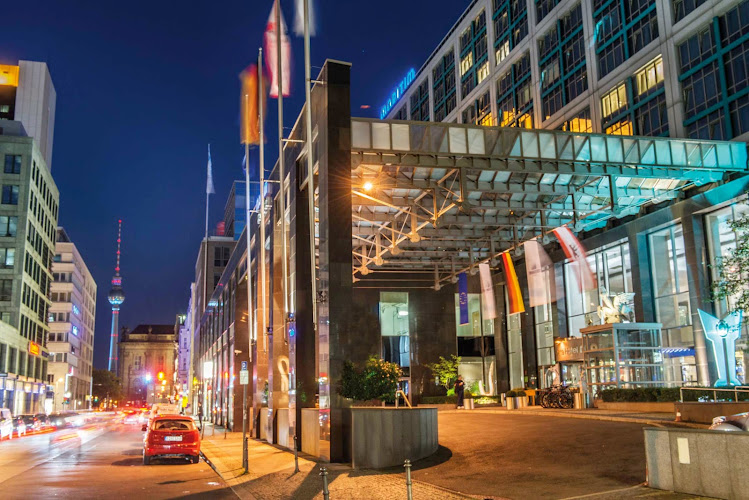
When planning your Berlin travel guide or comparing verified attractions and museums in Berlin, pair this stop with standout local spots including Grand Hyatt Berlin, Spreebogenpark, Bocca di Bacco, and Museum für Naturkunde (0.5 km away).