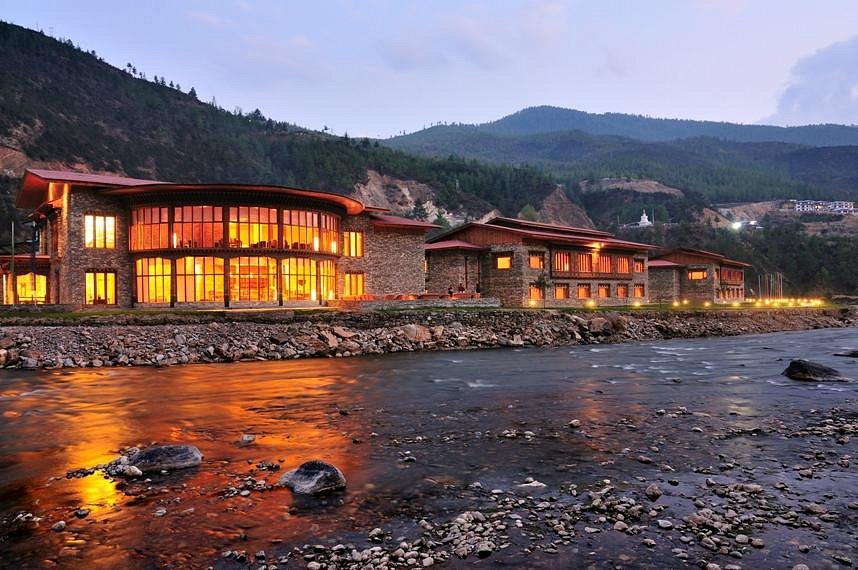
Jigme Singye Wangchuck National Park is a mountainous protected area in central Bhutan, mapped at 6C97+X2J, Bhutan, rather than a street address or city neighborhood. Established in 1995 as Black Mountains National Park and subsequently renamed for Bhutan’s fourth king, it protects approximately 1,730 square kilometers of Himalayan habitats. Travelers come for guided village-to-village trekking, forest birding, and landscapes supporting Bengal tigers, Himalayan black bears, and red pandas—not predictable roadside wildlife encounters.
What to Expect at Jigme Singye Wangchuck National Park
The park extends across parts of Trongsa, Wangdue Phodrang, Zhemgang, Tsirang, and Sarpang districts. Its extraordinary elevation range connects warm broadleaf forests with temperate woodland, conifers, and high mountain environments. This is a working conservation landscape containing settlements and cultivated land, not a fenced attraction with one entrance. Trails alternate between forest, streams, terraced fields, and village paths; the experience changes substantially with your chosen access point and altitude.
The best-known visitor route is the Nabji–Korphu community trek, generally organized as a six-day journey through the park’s lower-elevation villages. Nimshong, Nabji, and Korphu provide opportunities to understand rural livelihoods alongside forest ecology. Nabji Lhakhang is associated with Guru Rinpoche and a traditional account of reconciliation between rival rulers. Birders look for hornbills in suitable lower forests, while golden langurs inhabit the park’s warmer southern landscapes. Tigers and red pandas are elusive conservation priorities, not animals you should expect to photograph.
- Nabji–Korphu trek: A multiday walking route linking village hospitality, cultivated valleys, and subtropical forest.
- Nabji Lhakhang: A village temple with religious traditions connected to Guru Rinpoche; enter respectfully with your guide.
- Black Mountains: The mountain landscape behind the park’s original name, with demanding terrain beyond the village trekking routes.
- Forest wildlife: Habitats shelter golden langurs, Himalayan black bears, and Bengal tigers; quiet observation matters more than covering distance.
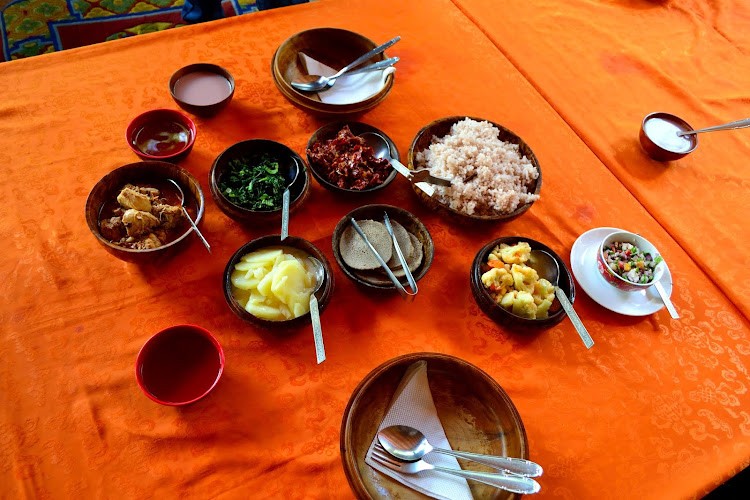
- Community encounters: Village stays and locally arranged meals make farming, architecture, and everyday Buddhist practice central to the journey.
Jigme Singye Wangchuck National Park at a Glance
| Detail | Information |
|---|---|
| Address | 6C97+X2J, Bhutan; geographic map reference, not an entrance or postal address |
| Neighborhood / Area | Black Mountains, central Bhutan; access varies by trekking itinerary |
| Operating Hours | Monday–Sunday: landscape listed as open 24 hours; arrange visits and walking during daylight |
| Admission / Price Range | Paid guided travel; $$$ overall. Obtain an itemized quote covering transport, accommodation, guiding, and applicable permits or fees |
| Recommended Visit Duration | 6 days for the Nabji–Korphu trek, plus road transfers |
| Nearest Transit / Parking | Arrange road transfers through Trongsa for Nabji–Korphu access; no metro or dedicated park shuttle. Confirm trailhead vehicle arrangements locally |
| Official Website & Phone | Bhutan Department of Forests and Park Services; consult its directory for the current park-office telephone |
Visiting Tips, Getting There & Nearby Pairings
Favor October–April for the lower-elevation Nabji–Korphu itinerary, allowing for cold winter mornings; summer monsoon rain can make paths slippery and road journeys slower. Book guiding, village accommodation, meals, and transfers before departure. Trongsa is a practical staging town, but the map pin is not a navigation target for a visitor gate. Have your operator identify the actual trailhead and safe driver waiting location. Start walking early, carry water and rain protection, and never approach or feed wildlife.
Expect steep earth paths, uneven stone sections, and stream crossings rather than a wheelchair-accessible circuit. Toilets and resting arrangements depend on villages and camps; discuss mobility needs before committing. There is no universal cluster of sights within a 5–15-minute walk of this extensive park. From village accommodation, ask about short walks to Nabji Lhakhang, Nabji’s agricultural terraces, or Korphu’s village lanes; distances depend on your lodging. Use established meal stops for breaks, carry out litter, and leave pets behind unless park authorities explicitly approve them. Trails lack urban lighting, so finish before dusk.
Frequently Asked Questions
What are the opening hours and best visiting season?
The landscape is listed as open 24 hours daily, but this does not mean staffed access or unrestricted night trekking. Plan daylight visits, with October–April generally preferable for the lower forest trek.
Do I need tickets or advance reservations?
Arrange a guided itinerary rather than arriving expecting a conventional ticket booth. Request written confirmation of park permissions, accommodation, transport, and all applicable charges; Bhutan’s national travel requirements are separate from individual park arrangements.
How much time should I allow?
Budget around six walking days for the Nabji–Korphu route, with additional time for road transfers. A shorter forest outing requires a deliberately chosen access point and should not be treated as a substitute for the full trek.
Is the park suitable for families or wheelchair users?
The multiday trek suits active families comfortable with sustained walking and simple facilities, but steep, uneven trails are unsuitable for standard wheelchairs or strollers. At village temples, cover shoulders and knees, remove shoes when requested, and ask before photographing interiors.
When planning your Bhutan travel guide or comparing verified attractions and national park in Bhutan, pair this stop with standout local spots including COMO Uma Paro, The Tigers Nest Camp, Phangu, and Lhenzom Pure Vegetarian Hotel (32.9 km away).