

Ever wondered how flight attendants manage to look polished after 14-hour flights while living out of a single carry-on? These sky-high professionals have mastered the art of efficient packing through thousands of trips—and they’re finally spilling their secrets.
After interviewing dozens of cabin crew members and analyzing packing methods used by flight attendants with over 10 years of experience, we’ve uncovered game-changing techniques that will revolutionize how you pack. These aren’t just random tips—they’re battle-tested strategies used by people who literally travel for a living.
Ready to transform your packing game? Let’s dive into the insider secrets that will help you maximize space, minimize wrinkles, and breeze through airports like a pro.
1. Master the Military Roll Technique
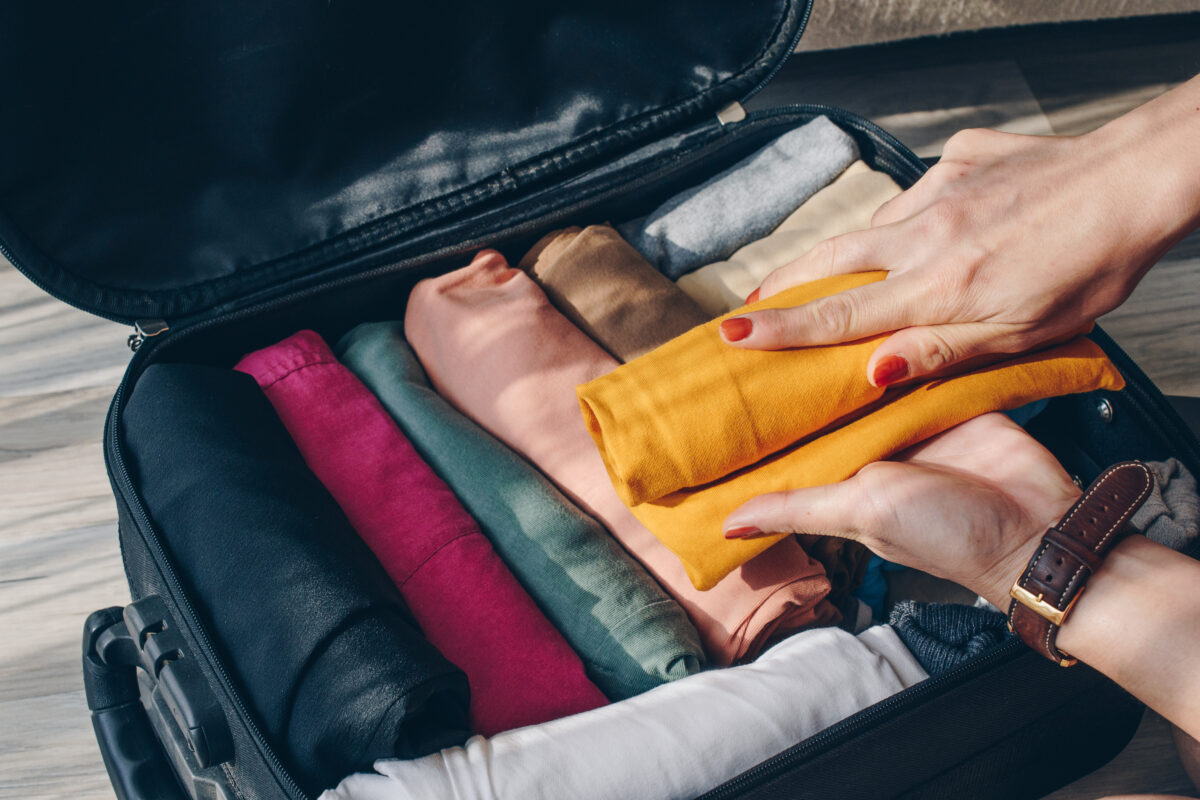
Forget basic folding—flight attendants use the military roll technique to fit 50% more clothing in their luggage while preventing wrinkles. This space-saving method isn’t just about rolling; it’s about creating compact, secure bundles that won’t unravel during transit.
The Ranger Roll Method:
- Lay item completely flat, smoothing out wrinkles
- Fold the bottom 2-3 inches inside out
- Fold in sleeves or sides to create a rectangle
- Roll tightly from top to bottom
- Tuck the rolled portion into the folded bottom section
This creates a self-contained bundle that stays rolled without rubber bands. Flight attendants particularly love this for t-shirts, casual pants, and workout gear. Pro tip: Roll similar items together to create outfit bundles you can grab quickly.
For delicate fabrics, try the tissue paper trick: place a sheet between folds before rolling to prevent creasing. Experienced flight attendants report this method keeps their uniforms wrinkle-free even after 4,000+ packing cycles.
2. Create Your Flight-Tested Packing List

Flight attendants never pack without their master list—and 87% update their digital packing lists after every trip to refine what they actually need versus what they think they need. Create categories for different trip types: beach, business, adventure, or city breaks.
Essential Categories for Your Master List:
- Documentation: Passport, ID, boarding passes, travel insurance
- Tech Essentials: Phone, chargers, adapters, portable battery
- Comfort Items: Travel pillow, eye mask, earplugs
- Emergency Kit: Medications, first aid, copies of documents
- Clothing by Day: Plan outfits rather than random pieces
Digital tools like PackPoint or Packr analyze your destination’s weather and trip length to suggest items. But nothing beats a personalized list refined through experience. Keep it on your phone and update it after each trip—you’ll quickly identify what you actually use versus dead weight.
Pro tip from a 16-year veteran: Keep pre-packed pouches with travel-sized toiletries, adapters, and charging cables ready to grab for your next trip.
3. Layer Like a Pro for Smart Travel

Here’s a secret that saves massive luggage space: wearing your bulkiest items during travel can free up to 30% of your suitcase space. Flight attendants have perfected this art, turning themselves into stylish pack mules.
Strategic Layering Formula:
- Base layer: Comfortable t-shirt or tank top
- Mid layer: Button-up shirt or light sweater
- Outer layer: Jacket or blazer with pockets
- Accessories: Scarf that doubles as blanket
- Footwear: Heaviest shoes on feet
The genius part? You can remove layers once seated and use them as extra pillows or blankets. That bulky winter coat becomes your personal comfort system. Plus, planes can vary between 65-75°F, so layers help you adapt to changing cabin temperatures.
Bonus hack: Use jacket pockets for items that won’t fit in your personal bag—passports, phones, snacks, and even a spare pair of socks for long flights.
See Related: The Essential Guide to Packing for Budget Travelers
4. Compression Bags: Your Space-Saving Secret Weapon

Think compression bags are just for extreme packers? Think again. Flight attendants report reducing their luggage volume by up to 75% using compression technology. Modern compression bags don’t require vacuum pumps—just roll and squeeze.
Compression Packing Strategy:
- Group similar items (all tops, all bottoms)
- Use medium-sized bags rather than one large bag
- Leave 20% expansion room for souvenirs
- Pack a spare bag for dirty laundry
Warning: While compression bags maximize space, they can add weight. Most airlines enforce strict weight limits—domestic carriers typically allow 40-50 pounds for checked bags. Always weigh your bag before heading to the airport.
For carry-ons, use compression cubes instead of bags. They’re more structured and fit better in overhead compartments while still reducing volume by 30-40%.
5. Master the 3-1-1 Liquid Rule

Despite rumors, the TSA’s 3-1-1 rule remains unchanged in 2025: containers must be 3.4 oz or less, all fitting in one quart-sized bag. Flight attendants have perfected liquid packing into an art form.
Flight Attendant Liquid Hacks:
- Contact lens cases for foundation and moisturizer
- Straw method: Seal single-use portions in straws with a hair straightener
- Solid alternatives: Shampoo bars, toothpaste tablets, deodorant sticks
- Double-bag technique: Place plastic wrap under caps before closing
New for 2025: Some international airports with advanced CT scanners allow full-size liquids, but always pack for the strictest rules when connecting through multiple airports.
Pro tip: Invest in silicone travel bottles—they’re more durable than plastic and won’t crack under pressure changes. Label everything clearly to speed through security.
6. Choose Multi-Purpose Travel Champions
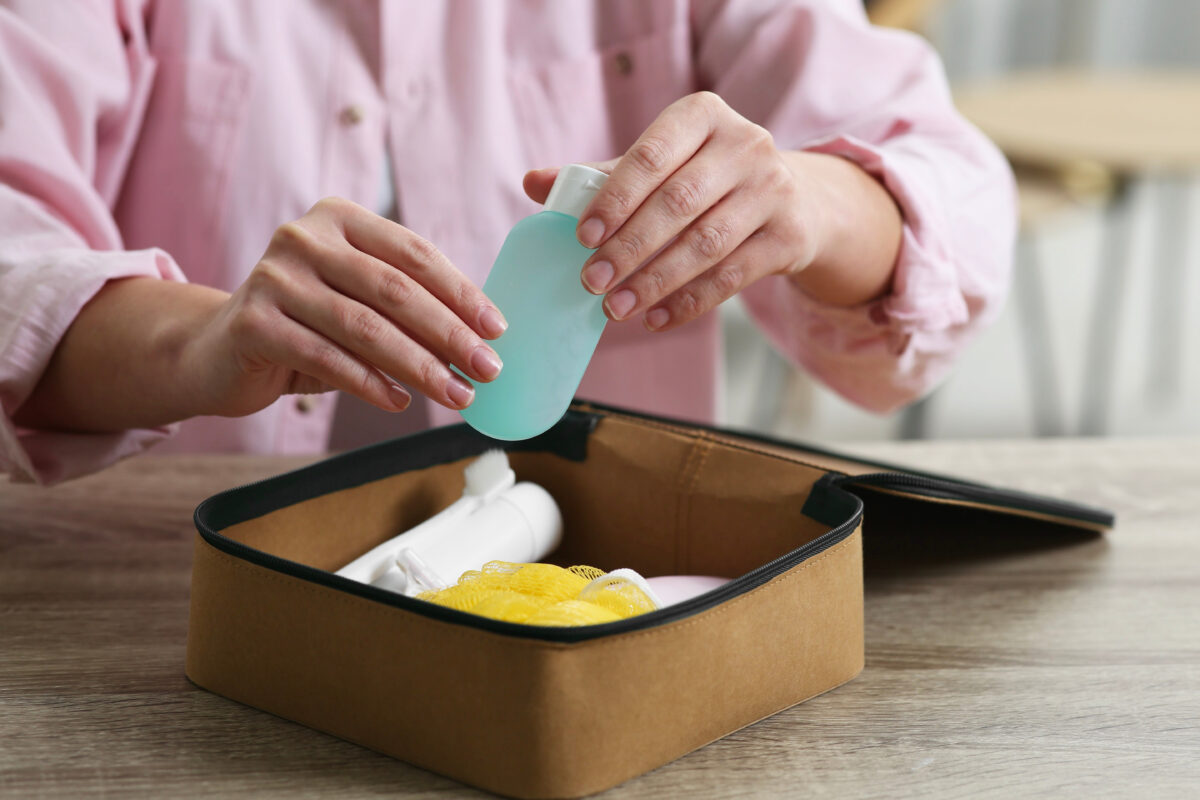
The golden rule of flight attendant packing? Every item should serve at least two purposes. This philosophy transforms your packing efficiency and reduces decision fatigue while traveling.
Multi-Purpose Must-Haves:
- Sarong: Beach cover, blanket, picnic mat, privacy screen, bag
- Buff/Tube scarf: Headband, face mask, neck warmer, hair tie
- Zip-off pants: Long pants and shorts in one
- Merino wool items: Temperature-regulating, odor-resistant, quick-dry
- Packable daypack: Shopping bag, beach bag, laundry bag
For toiletries, choose products that multitask:
- Tinted moisturizer with SPF (moisture + coverage + sun protection)
- Coconut oil (moisturizer + hair treatment + makeup remover)
- Dr. Bronner’s soap (body wash + shampoo + laundry detergent)
Flight attendants particularly recommend investing in high-quality basics in neutral colors that mix and match easily—creating 20+ outfits from just 10 pieces.
See Related: Sustainable Packing Tips for Eco-Friendly Travel: Reduce Waste and Travel Responsibly
7. Transform Shoes Into Storage Units

Shoes are space hogs, but flight attendants turn this weakness into strength. The average pair of shoes can hold 200-300ml of small items—that’s valuable real estate in your luggage.
Shoe Packing Masterclass:
- Stuff them full: Socks, underwear, chargers, jewelry in pouches
- Use shower caps: Cover soles to protect clothes
- Pack heel-to-toe: Along suitcase edges for stability
- Limit yourself: One dress shoe, one casual, one activity-specific
The three-shoe rule is sacred among flight attendants: wear your bulkiest pair, pack one versatile option, and include one specific to your activities. Avoid four-wheel shoes on short trips—two-wheel designs are more durable for rough handling.
Genius hack: Use wine bottle protectors or spare socks to protect dress shoes. For boots, stuff them with rolled magazines to maintain shape while maximizing internal storage.
8. Secure Your Valuables Like a Pro

Flight attendants never check irreplaceable items. In-flight theft happens more frequently than reported, so keeping valuables within sight is crucial.
Carry-On Essentials Hierarchy:
- Inner pocket: Passport, cards, cash, phone
- Easy access: Boarding passes, headphones, snacks
- Main compartment: Electronics, medications, change of clothes
- Under-seat bag: Items needed during flight
New tech solutions for 2025: AirTags have become essential for tracking luggage, though battery life complaints mean carrying spares. Place one in checked bags, another in your carry-on.
Flight attendant insider tip: Create a “plane kit” that stays in your personal item—eye mask, earplugs, moisturizer, lip balm, pen, snacks. Having these easily accessible prevents disturbing overhead bins mid-flight.
9. Invest in Featherweight Luggage

Your suitcase shouldn’t eat up your weight allowance. Modern polycarbonate cases weigh 4-5 pounds empty versus 8-10 pounds for traditional models—that’s 5 extra pounds for souvenirs!
Flight Attendant Luggage Criteria:
- Weight: Under 6 pounds for carry-on size
- Wheels: Spinner wheels for maneuverability
- Warranty: Lifetime coverage for frequent use
- Size: 22 x 14 x 9 inches meets all major airline requirements
Top picks among crew members include brands focusing on durability and lightweight construction. Sustainable options using recycled materials are increasingly popular, with some brands offsetting carbon emissions.
Pro tip: Test zippers and handles in-store—these fail first. Choose bags with YKK zippers and reinforced corners. The initial investment pays off when you’re not buying replacements every year.
10. Leave Room for Travel Treasures
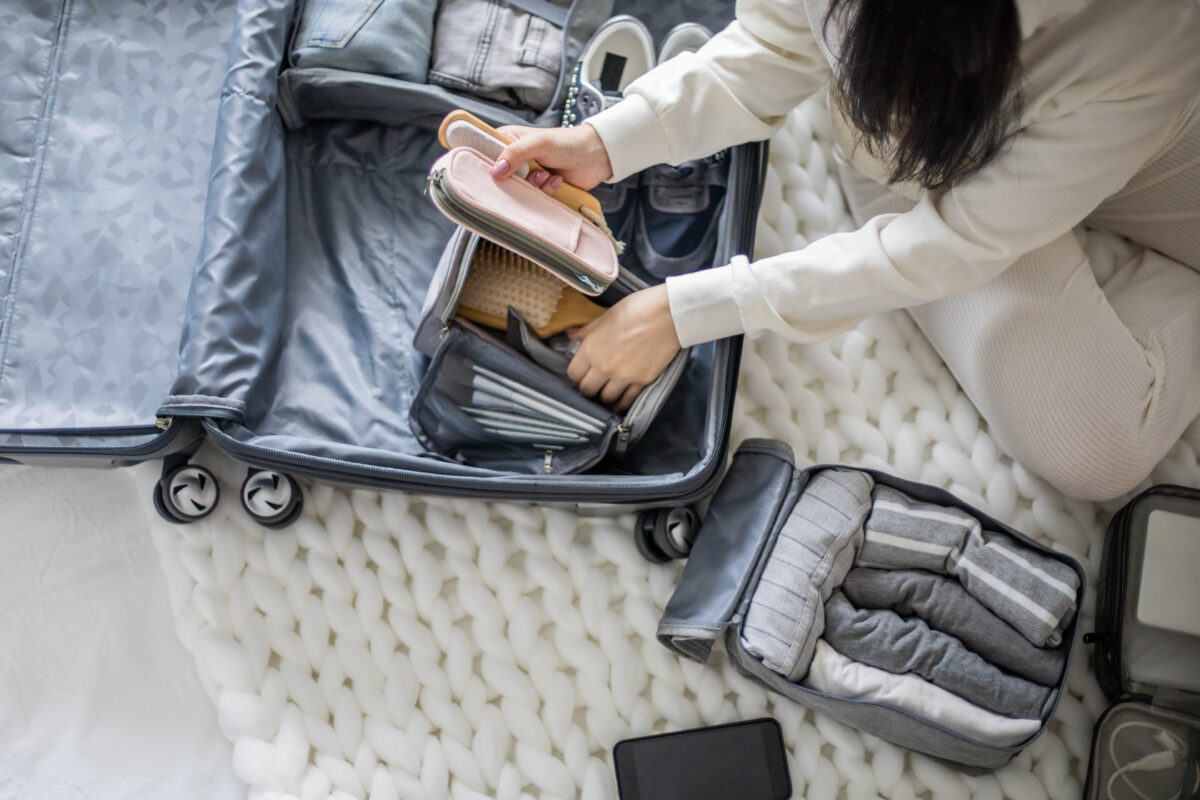
The rookie mistake? Packing your bag to 100% capacity. Experienced flight attendants recommend leaving 20-25% empty space for inevitable shopping and souvenirs.
Smart Souvenir Strategies:
- Pack a foldable duffel for return trips
- Ship larger items home directly
- Wear new clothes instead of packing them
- Choose practical souvenirs (scarves, jewelry, spices)
Flight attendants favor experiences over stuff, but when they do shop, they choose items that enhance future travels—local textiles that work as sarongs, unique bags, or specialty foods that pack flat.
Remember: Airlines are cracking down on oversized bags with stricter gate checks. That “slightly too full” bag might get rejected, forcing expensive last-minute checking.
See Related: The Ultimate Packing List for Long Trips: Tips and Hacks
Bonus Tips: 2025 Travel Trends
As we navigate new travel realities, flight attendants are adapting their packing strategies:
Sustainable Swaps: Eco-conscious crew members are switching to biodegradable toiletries, reusable containers, and clothing made from recycled materials. Solid toiletries save space AND the planet.
Digital Nomad Essentials: For remote workers, flight attendants recommend tech organizers, portable monitors that weigh under 2 pounds, and universal adapters with USB-C ports.
Health-First Packing: Post-2020, flight attendants pack portable air purifiers, extra masks, and sanitizing wipes in easy-reach pockets.
Your Next Move
Transforming your packing game doesn’t happen overnight, but implementing even half of these flight attendant secrets will revolutionize your travel experience. Start with the basics—create your packing list, invest in quality basics, and practice the military roll.
Remember, the goal isn’t perfection; it’s progress. Each trip is an opportunity to refine your system. Soon, you’ll be breezing through airports with the confidence of a 20-year flight veteran.
Ready to put these tips into action? Save this guide, share it with your travel buddies, and most importantly—start planning your next adventure. The world is waiting, and now you know how to pack for it like a pro.
Which packing hack are you most excited to try? Drop a comment below and share your own travel packing secrets!
