Editorial disclosure: This destinations.ai guide was prepared with AI assistance and checked against the official sources linked below. Accommodation and activity placeholders may use affiliate links; that does not change the planning advice.
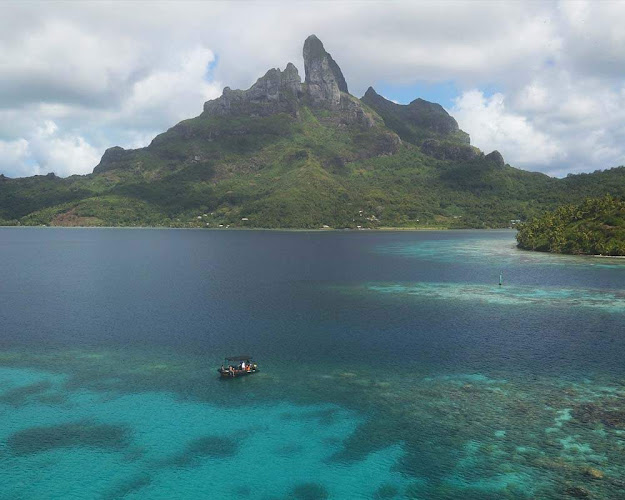
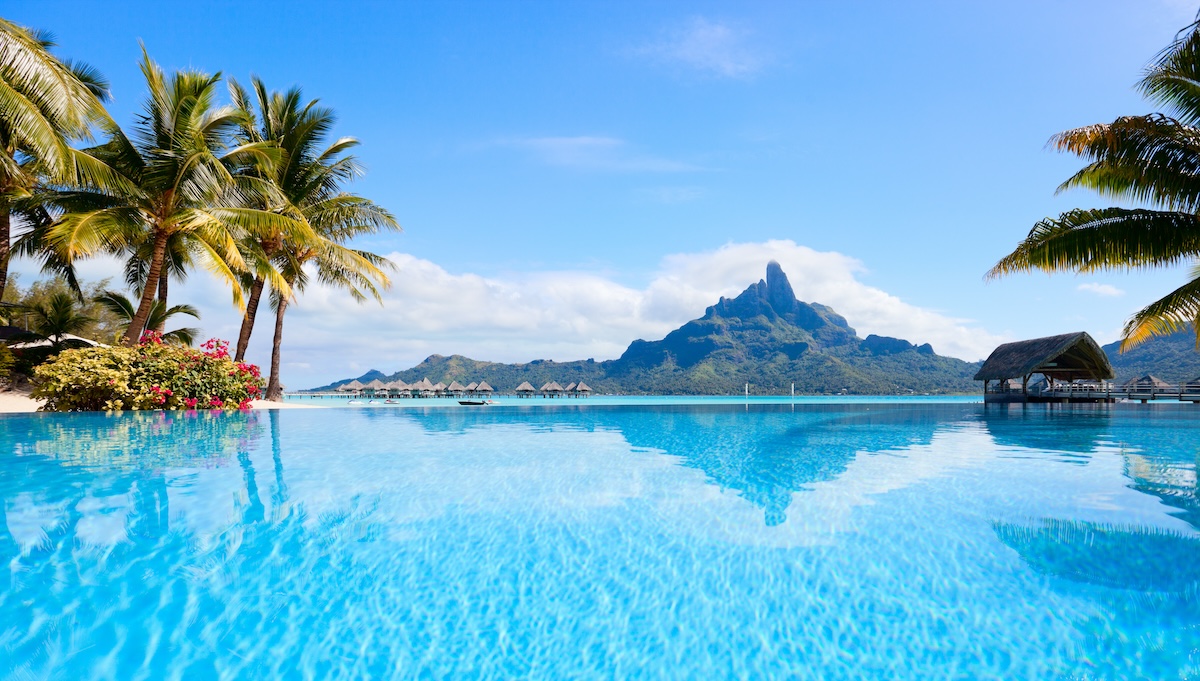
Bora Bora is a small South Pacific island in French Polynesia, world-famous for its turquoise lagoon, overwater bungalows, and the dramatic silhouette of Mount Otemanu rising from its center. Ringed by coral reefs and palm-fringed motus, the island is a byword for tropical luxury and romance.
The lagoon is the main draw: snorkeling and diving reveal manta rays, black-tip reef sharks, and vivid coral gardens, while guided lagoon tours offer shark and stingray encounters in shallow water. Helicopter flights showcase the gradient of blues and the heart-shaped island from above, and the main village of Vaitape gives a glimpse of local life beyond the resorts.
The best time to visit is the dry season from May to October, with June to September offering the clearest water and calmest conditions; July to October also brings migrating humpback whales.
Affiliate placeholder: Compare accommodation options after checking the official property details, location, and cancellation terms.
Affiliate placeholder: Check current activity availability, meeting points, accessibility, and cancellation terms before reserving.
Sources and current planning links
Explore more destinations.ai travel guides when building a longer route.
How to plan a Bora Bora visit
Bora Bora is a lagoon-and-mountain island in the Leeward Islands of French Polynesia, best planned around water time, a responsible lagoon tour, Vaitape, one inland or cultural experience, and plenty of unhurried rest. This guide is for Bora Bora, not the wider Society Islands. The island looks small, but resort transfers, boat schedules, weather, and activity meeting points should shape the plan.
Tahiti Tourisme’s current visitor information places the lagoon, Matira Beach, Vaitape, hiking, Polynesian culture, and the island’s World War II history at the center of a visit. Use that source and the individual operator’s current terms for access, equipment, marine conditions, and cancellation rules. Bora Bora is a place where a little logistics prevents a very expensive disappointment.
What are the best things to do in Bora Bora?
The best things to do in Bora Bora are swimming or snorkeling in the lagoon, spending time at Matira Beach, taking a carefully screened boat tour, exploring Vaitape, and learning about Polynesian and wartime history. Leave at least one half-day free for the weather and for enjoying the view without a booking.
The lagoon is the headline experience, but “snorkeling with sharks and rays” is not a guaranteed encounter. Choose an operator that explains animal behavior, keeps a respectful distance, avoids feeding practices that change wildlife behavior, and provides properly fitted safety equipment. Ask whether the route uses a protected reef, a motu, or open-lagoon water before paying.
Matira Beach is a useful public-facing beach option for swimming, sunset, and a less formal afternoon. Check currents, weather, shade, facilities, and local rules. The reef and lagoon are fragile; do not stand on coral, touch wildlife, collect shells, or leave sunscreen and plastic behind.
Vaitape is the island’s practical center for local services, shops, food, and a glimpse of daily life beyond resort grounds. Walk respectfully, ask before photographing people or homes, and buy from local businesses when you want a craft, snack, or meal. A guide can add context to marae, Polynesian traditions, and the remnants of Operation Bobcat without turning history into a prop.
Is a Bora Bora lagoon tour worth it?
A Bora Bora lagoon tour is usually worth the time when the boat, crew, group size, safety equipment, wildlife policy, route, and weather cancellation terms are clear. The right tour lets you see the gradient of the water and outer motu landscapes without forcing a crowded schedule.
Ask how many people are on board, whether shade and toilets are available, what food and equipment are included, and where the meeting point is. Confirm whether the price includes resort pickup or a separate transfer. Life jackets should be available and the captain should be willing to change or cancel the route when conditions are unsafe.
Some tours promote manta rays, reef sharks, stingrays, coral gardens, sunset, or a motu picnic. Treat those as possible experiences, not promises. Keep hands out of the water around animals unless a trained guide explicitly gives a safe instruction, and follow no-touch, no-feeding, and reef-protection rules.
Where should you stay in Bora Bora?
Stay on the main island for easier access to Vaitape, local food, roads, and a broader range of rooms, or choose a motu resort for direct lagoon access and a more secluded stay. A beautiful overwater room does not remove the need to check transfer time, meal options, weather exposure, and cancellation terms.
Resort areas and main-island pensions serve different travel styles. Before booking, verify whether airport or port transfers are included, how often the boat runs, what happens on late arrival, and whether every meal must be purchased on site. Check air conditioning, mosquito protection, swimming access, water activities, Wi-Fi, accessibility, and medical or emergency arrangements.
Families and travelers with mobility needs should ask about dock boarding, ladders into the lagoon, room paths, bathroom layouts, children’s life jackets, shade, and weather alternatives. A main-island property may make independent meals and transport easier; a motu may make every outing more dependent on the resort schedule.
What food should you try in Bora Bora?
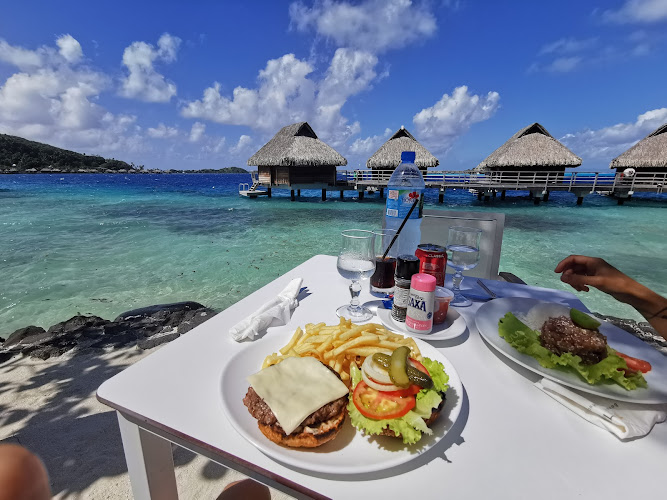
Try Bora Bora for poisson cru, fresh fish, tropical fruit, coconut-based flavors, French and Polynesian dishes, and simple meals in Vaitape or at your accommodation. Island supply chains mean menus and prices can vary, so ask what is fresh and plan one practical meal option outside the resort when your transport allows.
Poisson cru is commonly prepared with raw fish, lime, coconut milk, and vegetables, but recipes and food-safety practices differ. Mention allergies, pregnancy, dietary restrictions, and raw-food concerns clearly. Seafood should be fresh and properly handled; use your own judgment rather than ordering a dish because a guide calls it essential.
Resort dining can be convenient but needs advance reservations and a budget check. On the main island, confirm opening hours, transport home, payment methods, and whether a snack bar is open outside peak times. Carry sealed water and a small backup snack on lagoon days, while avoiding disposable waste and feeding fish or birds.
When is the best time to visit Bora Bora?
The drier months are often preferred for clearer water and more reliable outdoor plans, while the wetter season can bring lush scenery, heavier showers, and more flexible lagoon scheduling. Tropical weather is changeable, so check the forecast and marine conditions close to every boat departure.
Peak dry-season dates can bring higher accommodation demand and crowded tours, while shoulder dates may offer a calmer feel if the weather cooperates. Sun, wind, and rain all matter on the water; pack a rash guard or light cover, reef-conscious sun protection, a dry bag, and a layer for a breezy boat ride.
How do you get to Bora Bora and get around?
Most travelers fly to Bora Bora’s airport on Motu Mute, then continue by a scheduled or resort boat to the main island or a motu. Confirm the current flight connection, baggage allowance, boat timetable, pickup location, and contingency plan before booking a nonrefundable activity soon after arrival.
On the main island, walking, bicycles, scooters, cars, and local transfers can all be useful, but distances, heat, hills, and weather change the effort. Confirm rental requirements, insurance, road conditions, and return arrangements. A bike loop may be enjoyable in theory and uncomfortable in midday heat, so carry water and do not rush.
Boat transfers are part of the destination’s geography. Ask how luggage is handled, whether boarding is step-free, and what happens when wind or rain interrupts service. Keep medications and essentials in your carry-on, and save accommodation and transfer contacts offline.
What cultural and outdoor etiquette matters in Bora Bora?
Travel responsibly in Bora Bora by respecting local communities, sacred places, marine life, private land, and the lagoon’s limited resources. Ask before photographing people, follow guides around marae and historical sites, and choose operators that explain rather than exploit Polynesian culture.
Wear suitable clothing away from resort beaches, keep noise low near homes, and do not assume a remote-looking motu is unoccupied or public. In the water, maintain distance from animals, use established moorings or operator guidance, and never take coral or shells. Small actions matter on an island where waste, fresh water, and fuel all have a cost.
What can families do in Bora Bora?
Families can combine shallow-water swimming where safe, short boat outings, beach time, simple island exploring, and cultural activities with plenty of shade and rest. Choose tours that supply child-sized equipment, explain the water conditions, and allow a family to opt out without pressure.
Ask about children’s life jackets, boat rails, shade, toilets, swimming depth, sun exposure, food allergies, and emergency response. Overwater rooms and open decks require honest supervision. A main-island stay can provide easier access to meals and a change of plan when a child is tired or the weather shifts.
How many days do you need in Bora Bora?
Plan three to five full days in Bora Bora for a lagoon outing, Matira or another beach, Vaitape, one cultural or inland experience, and a weather buffer. A two-night stay can show the setting, but it leaves little protection against a cancelled boat or a rainy arrival day.
- Day one: Arrive, settle in, confirm the next day’s water plan, and keep the first evening close to your accommodation.
- Day two: Take a responsible lagoon tour if conditions cooperate, then leave the evening open for a quiet meal.
- Day three: Explore Vaitape, Matira, local history, or a land-based route, with time for swimming or rest.
- Extra days: Add a second water activity, a cultural experience, spa time, or a weather replacement rather than stacking more transfers.
Is Bora Bora worth visiting?
Bora Bora is worth visiting when the lagoon, Polynesian culture, mountain setting, and careful pace match what you want from a high-cost island trip. The experience is strongest when the water is enjoyed responsibly and the visit includes Vaitape, local food, and history—not only a room over the reef.
Use Tahiti Tourisme and current operator information for weather, transfers, marine activity, and access details. Book thoughtfully, protect the reef, and remember that the island is a home before it is a photograph.
For a longer regional route, compare Hawaii, Fiji Islands, Sydney, Australia with this destination before finalizing your itinerary.
Frequently asked questions
What is Bora Bora, French Polynesia best known for?
Bora Bora is a small South Pacific island in French Polynesia, world-famous for its turquoise lagoon, overwater bungalows, and the dramatic silhouette of Mount Otemanu rising from its center. Ringed by coral reefs and palm-fringed motus, the island is a byword for tropical luxury and romance.
When is the best time to visit Bora Bora?
The best time to visit is the dry season from May to October, with June to September offering the clearest water and calmest conditions; July to October also brings migrating humpback whales.
How many days should you spend in Bora Bora?
Plan about 3 days for a first visit, then add time if you want to explore beyond the central sights.
How should you get around Bora Bora?
A main-island property may make independent meals and transport easier; a motu may make every outing more dependent on the resort schedule.
What should you book ahead in Bora Bora?
Leave at least one half-day free for the weather and for enjoying the view without a booking.
Explore Bora Bora by Category: Discover top curated spots across Bora Bora Attractions & Sightseeing, Best Places to Stay in Bora Bora, Bora Bora Restaurants & Dining.