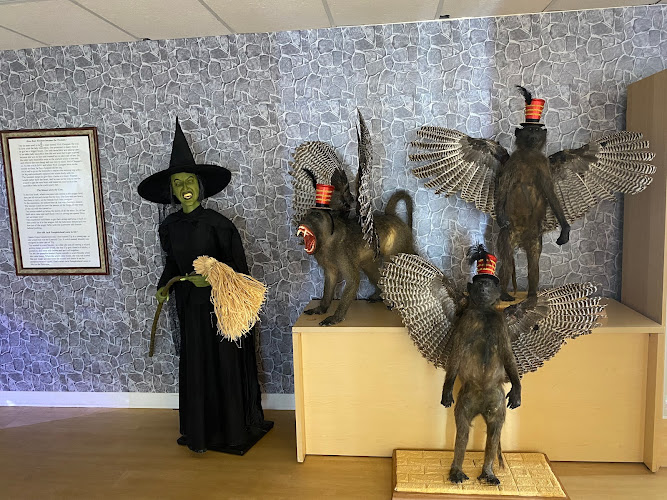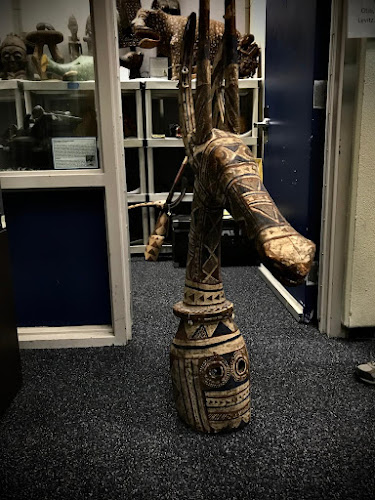
MAPS Museum (Museum of Archaeology, Paleontology and Science) at 7650 Orchid Lake Rd in New Port Richey, Florida, holds one of the largest Pre-Columbian artifact collections in North America alongside Egyptian, Greek, Roman, African, and dinosaur exhibits. Located in Pasco County near the Tampa Bay Coast, this nonprofit hands-on museum suits families, school groups, and archaeology enthusiasts seeking an affordable, unhurried two-hour visit.
Quick Facts
| Address | 7650 Orchid Lake Rd, New Port Richey, FL 34653 |
| Neighborhood | Pasco County / Tampa Bay Coast |
| Operating Hours | Generally Tuesday–Saturday, daytime hours; closed Sundays and Mondays. Call ahead, as hours shift seasonally and for private events. |
| Price Range / Admission | Budget-friendly, typically under $15 per adult, with reduced rates for children, seniors, and members. Group tour rates available. |
| House Specialties / Core Highlights | Pre-Columbian artifact collection, Egyptian and Roman antiquities, dinosaur bones, rocks/minerals/crystals, outdoor tropical garden exhibits, marine archaeology displays |
| Nearest Public Transit | Pasco County Public Transportation (PCPT) bus routes serving New Port Richey; car recommended given suburban location |
| Reservations / Booking Policy | Walk-ins welcome for general admission; advance booking required for group tours, birthday parties, lectures, and field work programs. Call 727-637-5997. |
Deep Profile & Background
MAPS Museum operates as a 501(c)(3) nonprofit educational facility and research center in a residential stretch of New Port Richey, a Gulf Coast city about 35 miles northwest of downtown Tampa. The museum grew out of a community effort to consolidate archaeological and paleontological collections that had previously scattered among private donors, university surplus, and estate gifts. Rather than presenting a single narrow specialty, the founders built a broad-spectrum institution covering ancient Egypt, Greece, Rome, sub-Saharan Africa, and the Americas under one roof, supplemented by natural history material including dinosaur bones and mineral specimens.
The building itself reads more as a converted community structure than a purpose-built museum, and that scale defines the experience: intimate, staffed largely by knowledgeable volunteers and researchers rather than paid guides working scripted tours. This gives visitors direct access to people who can answer specific questions about provenance and excavation history, a level of engagement rare at larger institutions where docents rotate through standardized talking points.
Pasco County itself lacks a dense museum district, so MAPS functions as a regional anchor for archaeology education, drawing school groups from across the Tampa Bay area for field trips. The organization also runs its own field research and international travel programs, meaning some of the objects on display were recovered or studied directly by museum staff and volunteers rather than purchased from dealers.
What to See, Do, and Prioritize
- Pre-Columbian Gallery: The collection’s centerpiece and its strongest claim to national significance. Expect ceramics, figurines, and tools from Mesoamerican and South American cultures. Spend the bulk of your visit here; it’s the section least likely to be duplicated at other regional museums.
- Egyptian and Mediterranean Antiquities: Smaller in scale than what you’d find at a major metropolitan museum, but the artifacts are genuine and displayed with detailed context cards. Good for a focused 20-minute walk-through rather than an extended stay.
- Dinosaur Bones and Fossil Displays: A draw for younger visitors and a reliable photo stop. Not a comprehensive paleontology hall, so temper expectations if you’ve visited larger natural history museums.
- Rocks, Minerals, and Crystals: A hands-on section that works well for kids and casual collectors; less compelling for serious mineralogists.
- Outdoor Tropical Gardens: Break up an indoor visit with a walk through the grounds. Shade is limited midday, so plan this portion for morning or late afternoon during Florida summer heat.
- Marine Archaeology Exhibits: Ties the museum to the Gulf Coast’s shipwreck and salvage history, a regionally relevant angle other Tampa Bay museums don’t cover as directly.
Honest critique: this is not a Smithsonian-scale institution, and visitors expecting blockbuster traveling exhibits or slick multimedia installations should recalibrate. The value lies in artifact authenticity, low crowds, and direct staff interaction rather than production polish.
How MAPS Compares to Other Tampa Bay Museums
| Venue | Admission | Style | Crowd Levels | Best For |
|---|---|---|---|---|
| MAPS Museum | Under $15 | Small, hands-on, artifact-dense | Low, rarely crowded | Families, archaeology enthusiasts, school groups |
| Tampa Bay History Center | $15–20 | Large, interactive regional history | Moderate to high on weekends | Florida history, waterfront views |
| Museum of Science & Industry (MOSI), Tampa | $25–30 | Large-scale science center, IMAX | High, especially school field trip season | Kids, hands-on STEM, planetarium |
| Suncoast Youth Conservation Center, New Port Richey | Free–low cost | Nature and wildlife-focused | Low to moderate | Local wildlife, environmental education |
Practical Logistics & Crowd Strategy
Weekday mornings offer the quietest visit, since weekends and afternoons draw more family groups, particularly during Florida school holidays and summer break. The museum’s small footprint means even moderate attendance can feel busy in narrow gallery aisles, so arriving near opening minimizes bottlenecks around the Pre-Columbian displays.
Cards and cash are both accepted for admission and gift shop purchases; call ahead if planning to pay by check for group bookings. There’s no formal dress code, though closed-toe shoes are sensible given outdoor garden paths. Security is minimal and typical of a small nonprofit museum — no bag checks or metal detectors reported. Wheelchair accessibility exists for main indoor galleries, but confirm current outdoor garden path conditions by phone before visiting with mobility devices, since surfaces vary. Free on-site parking is available, and a personal vehicle is effectively required given the suburban, low-density surroundings and limited bus frequency.
Nearby Itinerary Pairings
- Sims Park, New Port Richey (10–12 minute drive): Riverside park along the Pithlachascotee River with walking paths and a splash pad, good for a post-museum break.
- Downtown New Port Richey (10 minute drive): Historic Main Street district with independent cafes and antique shops, suitable for lunch after a morning museum visit.
- Robert K. Rees Memorial Park (5–8 minute drive): Small local green space for a quick walk if the museum’s outdoor gardens leave you wanting more time outside.
- Sunwest Park (15–20 minute drive): Man-made beach and lagoon area, a strong pairing for an afternoon swim or picnic to close out a half-day itinerary that started at MAPS.
Frequently Asked Questions
Is MAPS Museum good for young children?
Yes. The hands-on rocks and minerals section and dinosaur bone displays are designed with kids in mind, and staff regularly accommodate birthday parties and themed events for younger visitors.
How much time should I budget for a visit?
Plan for 1.5 to 2 hours to see the indoor galleries and outdoor gardens without rushing. Group tours or lecture attendance can extend this.
Does the museum offer guided tours?
Group tours are available by advance arrangement; call 727-637-5997 ahead of your visit. Casual walk-in visitors typically explore independently with volunteer staff available for questions.
Is the museum open on Sundays?
Typically no. MAPS generally operates Tuesday through Saturday; confirm current hours by phone before visiting, since schedules shift for holidays and special events.