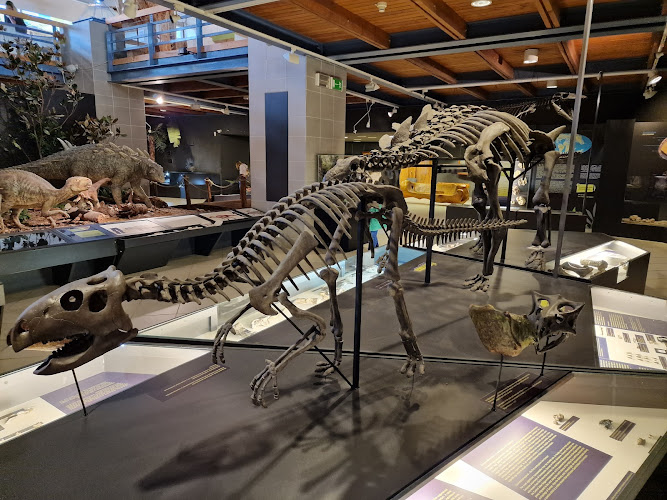
Hungarian Natural History Museum is Hungary’s national museum of geology, fossils, plants, animals and human-natural history at Ludovika tér 2–6, 1083 Budapest, in the Józsefváros district of Budapest, Hungary. Its collections began with the Hungarian National Museum’s natural-history holdings in 1802, and the institution developed into an independent museum in 1939. Travelers come for its large-scale animal displays, fossils, minerals and hands-on family exhibitions inside the historic former Ludovika Military Academy complex beside Orczy Garden.
What to Expect at Hungarian Natural History Museum
The museum interprets the natural world through Hungary’s landscapes as well as global ecosystems. The permanent displays commonly include the Man and Nature in Hungary exhibition, which follows the country’s habitats and the changing relationship between people and their environment, and the Diversity of Life display, an introduction to biodiversity through animal specimens and ecological connections. Look for mounted mammals and birds, insect material, botanical collections, rocks, minerals and fossils drawn from a research collection numbering in the millions.
Several signature sights make this more than a specimen-cabinet museum. A whale skeleton gives the galleries an immediate sense of scale, while the coral-reef material brings a marine ecosystem indoors. The Dinosaur Garden adds an outdoor element to a visit, and changing exhibitions can focus on subjects from palaeontology to conservation. The museum occupies part of the monumental Ludovika complex, designed by Mihály Pollack in a restrained neoclassical style; allow time to notice the formal façade and the grounds as you arrive.
- Man and Nature in Hungary: a route through Hungarian habitats, wildlife and environmental change.
- Diversity of Life: specimen-rich galleries introducing the variety and evolution of living organisms.
- Whale skeleton: a dramatic large-animal centerpiece that is especially effective for children.
- Coral-reef displays: marine natural-history material explaining the structure and life of reef ecosystems.
- Dinosaur Garden: outdoor dinosaur-themed displays beside the museum building.
Hungarian Natural History Museum at a Glance
| Detail | Information |
|---|---|
| Address | Ludovika tér 2–6, 1083 Budapest, Hungary |
| Neighborhood / Area | Józsefváros, on the Ludovika campus beside Orczy Garden |
| Operating Hours | Daily, 9am–5pm; verify holiday and exhibition schedules before travel |
| Admission & Ticket Prices | Paid admission; current adult, concession and family ticket options are published by the official museum website. |
| Recommended Visit Duration | 1.5 to 2.5 hours |
| Nearest Transit / Parking | Nagyvárad tér on Metro M3; Orczy tér tram and bus stops; limited paid street parking nearby |
| Official Website / Phone | nhmus.hu / +36 1 210 1085 |
Visiting Tips, Getting There & Nearby Pairings
Arrive close to the 9am opening for the quietest galleries, particularly on weekends and school-holiday days. Check the museum’s current exhibition calendar and ticket conditions online before setting out; temporary shows, workshops and school programs can affect the flow through individual rooms. The simplest public-transport approach is Metro M3 to Nagyvárad tér, followed by a short walk toward Ludovika tér. Trams 23 and 24 and several buses stop at Orczy tér. Drivers should not rely on museum parking: use legal paid street spaces where available and allow extra time.
The principal exhibition areas are suitable for wheelchairs and strollers via step-free access and lifts, but the historic multi-level building and the outdoor Dinosaur Garden can involve uneven surfaces or route changes. Contact the museum before arrival for assistance, current lift access and the most practical entrance. Pair the visit with a walk in leafy Orczy Garden, immediately beside the complex, or continue about 10–15 minutes on foot to the ELTE Botanical Garden, known locally as Füvészkert. For cafés and casual meals, the Corvin Quarter and Corvin Plaza area along Üllői út are also within an easy walk.
Frequently Asked Questions
What are the Hungarian Natural History Museum’s hours, and when is the best time to visit?
The museum is generally open daily from 9am to 5pm. Go at opening on a weekday for more space around the permanent galleries, and always check the official website for holiday exceptions.
How much are tickets, and do I need a reservation?
Admission is paid, with separate adult, reduced and family options. Prices and advance-purchase arrangements can change, so consult the official museum website before visiting; reservations are particularly sensible for groups and programmed activities.
How long should I budget for the museum?
Plan 1.5 to 2.5 hours to see the principal permanent exhibitions, the whale skeleton, coral-reef displays and Dinosaur Garden. Add time if a temporary exhibition or children’s activity is part of your plan.
Is the museum good for families and wheelchair users?
Yes. Large animal displays, fossils and the Dinosaur Garden give younger visitors clear visual anchors, while lifts and step-free routes support wheelchair and stroller visits. Confirm current accessible-entry arrangements with the museum, especially for outdoor areas.
When planning your Budapest travel guide or comparing verified attractions and museums in Budapest, pair this stop with standout local spots including Four Seasons Hotel Gresham Palace Budapest, Meatology Budapest, Novotel Budapest Danube, and Zwack Unicum Museum (1.4 km away).