Canterbury Roman Museum is an underground archaeological museum at 11A Longmarket, Butchery Lane, Canterbury CT1 2JR, in the cathedral quarter of the historic city centre. Opened in 1961, it preserves the remains of a Roman townhouse beneath modern Canterbury, once called Durovernum Cantiacorum. Travelers come for mosaics still in their original position, evidence of underfloor heating, and objects revealing how people lived here nearly two millennia ago.
What to Expect at Canterbury Roman Museum
The descent below street level is part of the experience: modern Canterbury sits above successive layers of occupation. The museum developed around Roman remains first discovered in 1868, with further discoveries following wartime bombing in 1942. Its principal attraction is the townhouse pavement, where geometric mosaic patterns survive beside evidence of a hypocaust heating system. Unlike a mosaic relocated to a gallery, this floor remains connected to the building it once decorated. Look closely at the relationship between the decorated rooms, surviving masonry, and the spaces through which heated air circulated.
The surrounding displays shift attention from wealthy householders to the wider Roman town. Pottery, glass vessels, coins, personal ornaments, and tools help explain trade, food preparation, dress, and skilled work. Reconstructions of Roman commercial life make the smaller finds easier to interpret, particularly for children. Silver spoons and jewellery add another perspective on personal wealth and craftsmanship. Start with the introductory material about Durovernum, continue through the everyday-life displays, and leave time to study the excavated house rather than treating its pavement as a final photograph stop.
- In-situ mosaics: Geometric floor decoration survives where Roman residents originally walked, beneath today’s shopping streets.
- Townhouse archaeology: Excavated walls and floor levels reveal the arrangement of a substantial Roman urban home.
- Hypocaust heating: Building remains explain how warm air heated rooms from beneath the floor.
- Everyday Roman objects: Pottery, glass, coins, and ornaments connect domestic routines with Canterbury’s wider trading networks.
- Reconstructed Roman life: Interpretive displays and family activities make ancient shops, crafts, and household tasks more approachable.
Canterbury Roman Museum at a Glance
| Detail | Information |
|---|---|
| Address | 11A Longmarket, Butchery Lane, Canterbury CT1 2JR, United Kingdom |
| Neighborhood / Area | Historic city centre, cathedral quarter |
| Operating Hours | Monday–Sunday, 10am–5pm; check holiday arrangements before traveling |
| Admission / Price Range | Paid admission; $ sightseeing tier. Check the official website for current adult, concession, and family prices. |
| Recommended Visit Duration | 45 to 75 minutes |
| Nearest Transit / Parking | Canterbury bus station; Canterbury East and Canterbury West railway stations. Paid parking at Whitefriars. |
| Official Website & Phone | Canterbury Roman Museum; +44 1227 785575 |
Visiting Tips, Getting There & Nearby Pairings
Arrive near the 10am opening for an unhurried circuit, especially during school holidays. Check the official website for admission options, activities, and any advance-booking arrangements; contact the museum ahead for group visits or guided interpretation. Keep backpacks close around display cases, ask staff about storage for bulky luggage, and check photography instructions before using flash. The museum shop provides a useful final stop for Roman-themed books and souvenirs; nearby city-centre cafés offer more choice for a meal afterward.
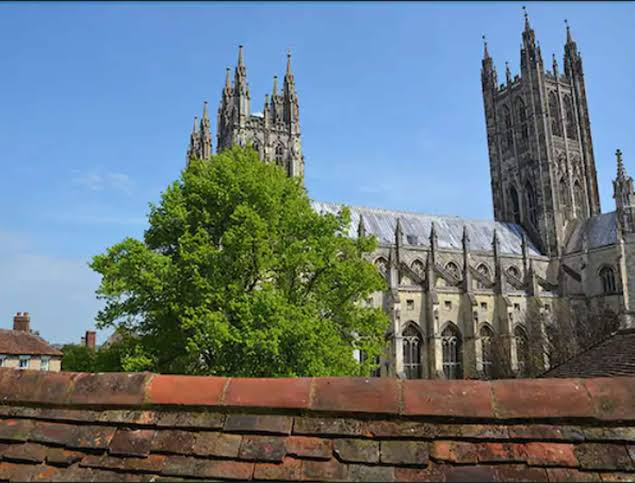
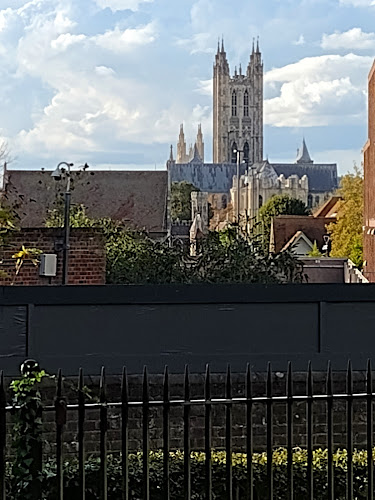
Canterbury bus station is roughly a 5–10-minute walk away. Allow about 10–15 minutes from Canterbury East, served by Southeastern trains via Dover, and around 15 minutes from Canterbury West, including high-speed services from London St Pancras. Drivers can use the paid Whitefriars car park and walk into the centre. The museum has lift access to its underground galleries, although surrounding historic streets include uneven paving and cobbles. Pair your visit with Canterbury Cathedral, approximately five minutes away, the Beaney House of Art and Knowledge, around five minutes away, or Westgate Gardens, roughly 10–15 minutes on foot.
Frequently Asked Questions
What are the opening hours and best arrival time?
The museum’s regular hours are 10am–5pm daily. Arrive at opening for a leisurely visit, and check holiday closures and last-entry arrangements before setting out.
Is admission free, and should I book?
Admission is paid, with current ticket categories and prices available through the official website. Check booking arrangements before visiting during school holidays or with a larger group.
How long should I allow?
Allow 45 to 75 minutes for the mosaics, archaeological remains, and displays. Families using activities or visitors reading every interpretation panel may prefer longer.
Is the museum suitable for wheelchair users and children?
A lift provides access below street level, making the underground setting accessible without using the entrance stairs. Roman reconstructions and family activities suit children; allow extra time when navigating the surrounding cobbled streets with wheelchairs or strollers.
When planning your Canterbury travel guide or comparing verified attractions and museums in Canterbury, pair this stop with standout local spots including Cathedral Gate Hotel, Banh Mi Bay, Wingham Wildlife Park, and The Sun Hotel (0.1 km away).