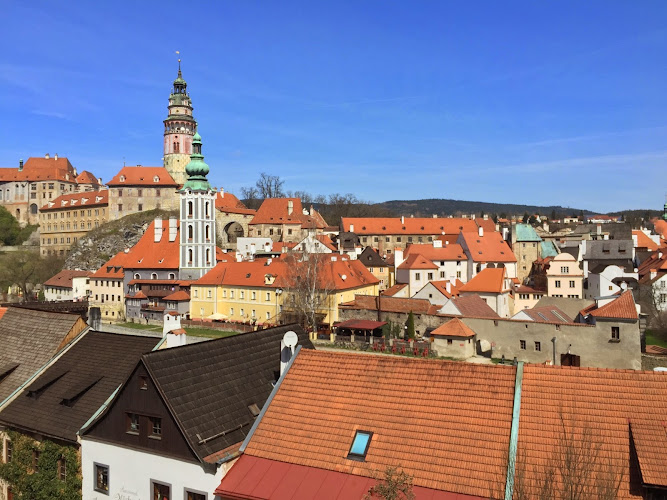
Regional Museum in the Czech Krumlov, officially Regionální muzeum v Českém Krumlově, is a regional-history museum at Horní 152, 381 01 Český Krumlov, in the historic center’s upper Old Town. Founded in 1946, it occupies a former Jesuit seminary overlooking the Vltava valley. Travelers come for its remarkable ceramic model of the town around 1800, archaeological collections, and displays explaining the communities, crafts, and religious life behind Český Krumlov’s celebrated streets.
What to Expect at Regional Museum in the Czech Krumlov
The permanent exhibition, History of the Town and Region from Prehistory to the Present, connects archaeological finds with the development of the medieval town and its surrounding countryside. The centerpiece is a ceramic reconstruction of the historic center at approximately 1:200 scale, covering roughly 54 square meters. Roofs, courtyards, fortifications, and the looping Vltava make the town’s complicated geography immediately understandable. Study it before exploring outside: the relationship between the castle ridge and the densely built river peninsula becomes much easier to read.
Other collections encompass historical furnishings, religious art, ethnography, and the fittings of a Baroque Jesuit pharmacy. These smaller objects add domestic and social detail to a destination often experienced principally through its castle. The building itself matters, too: constructed in 1650–1652, the former seminary is an important early Baroque landmark. Temporary exhibitions broaden the permanent displays; Wedding Bells Are Ringing, scheduled September 25, 2026–January 10, 2027, examines changing wedding traditions, including the relatively recent dominance of white bridal dresses.
- Ceramic town model: A room-sized reconstruction shows Český Krumlov around 1800, including buildings and urban relationships altered since then.
- Jesuit pharmacy: Historic pharmacy furnishings introduce the material culture of medicine and religious institutions.
- Regional archaeology: Finds establish a chronology extending well before the medieval castle and surviving townhouses.
- Ethnographic collections: Folk clothing, furnishings, and everyday objects illuminate life beyond aristocratic residences.
- Former Jesuit seminary: The substantial Baroque school building provides an architectural counterpoint to the town’s Renaissance facades.
Regional Museum in the Czech Krumlov at a Glance
| Detail | Information |
|---|---|
| Address | Horní 152, 381 01 Český Krumlov, Czechia |
| Neighborhood / Area | Upper Old Town, beside the Municipal Theater |
| Operating Hours | Tuesday–Sunday, 9:00–12:00 and 12:30–17:00; Monday closed. Check seasonal and holiday arrangements. |
| Admission / Price Range | Paid admission; $ budget tier. Consult the official website for current ticket categories and exhibition charges. |
| Recommended Visit Duration | 60 to 90 minutes |
| Nearest Transit / Parking | Český Krumlov, auto nádraží bus terminal; P2 Pod Poštou paid parking, followed by an uphill walk. |
| Official Website & Phone | Regional Museum official website; +420 380 711 674 |
Visiting Tips, Getting There & Nearby Pairings
Arrive at 9:00 for an uninterrupted morning visit, or after 12:30 rather than just before the midday closure. Begin with the model to orient yourself, then follow the historical displays chronologically. Individual travelers should check ticket arrangements on the official website; groups should telephone ahead about guided visits and language options. Ask reception about photography, flash, and storage for bulky bags before entering the galleries. For exhibition purchases or publications, enquire at the admission desk.
The bus terminal is approximately 10–15 minutes away on foot; there is no tram or metro. P2 Pod Poštou is a practical paid parking option outside the restricted historic core. Approaches involve gradients and uneven paving, so wheelchair users and families with strollers should discuss entrance access and upper-gallery circulation with staff before traveling. Pair the museum with the Seminární zahrada viewpoint immediately nearby, St. Vitus Church about five minutes away, and Svornosti Square’s townhouses and restaurants, roughly another two minutes downhill. Benches in the adjacent garden offer an outdoor rest stop.
Frequently Asked Questions
When is the museum open, and when should I visit?
Regular hours are Tuesday–Sunday, 9:00–12:00 and 12:30–17:00, with Monday closure. Aim for opening time, and check seasonal arrangements before a winter or holiday visit.
Is admission free, and are reservations necessary?
Admission is paid and falls in the budget sightseeing tier. Check the official website for current concessions, temporary-exhibition charges, and any booking arrangements; contact the museum directly for organized groups.
How much time should I allow?
Allow 60–90 minutes for the permanent displays and ceramic model. Add time for a temporary exhibition or detailed study of the archaeological and ethnographic collections.
Is the museum suitable for children and visitors with limited mobility?
The miniature town gives children a concrete way to understand the streets outside. The historic building and sloping, uneven approaches warrant an advance accessibility call, particularly for wheelchair users needing a continuous step-free route.
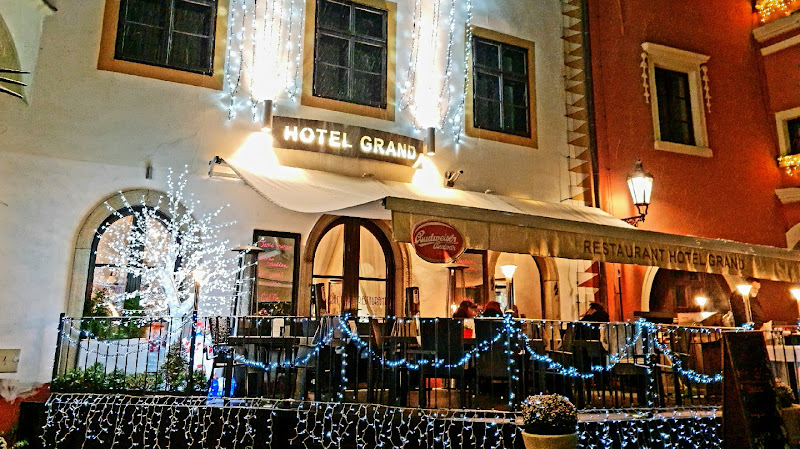
When planning your Cesky Krumlov travel guide or comparing verified attractions and heritage museum in Cesky Krumlov, pair this stop with standout local spots including Grand Hotel, Seminární zahrada, Krumlov Tower, and Hotel Růže (nearby).