The National Museum of Mexican Art sits on West 19th Street in Pilsen, on Chicago’s Lower West Side, facing Harrison Park. It is dedicated to Mexican art across ancient, folk, modern, and contemporary eras, and it is widely regarded as the anchor cultural institution of the neighborhood. Visitors rate it 4.8 across nearly 3,900 reviews, an unusually high score for a museum of any size.
What sets it apart is the combination of scale and access. Admission is free for everyone, with no residency requirement, which is rare among Chicago’s major museums. The galleries are compact enough to finish in an afternoon, yet the programming is serious: textiles, prints, photography, and living Chicago-Mexican artists, plus the autumn Día de los Muertos exhibition that draws people from across the city. Reviewers repeatedly describe it as small but powerful.
Standout Highlights & What Not to Miss
A focused visit rewards you most when you know where to slow down. These are the stops visitors talk about most.
- The Día de los Muertos exhibition. Running each autumn for roughly two months, it is the museum’s signature program and now in its fourth decade. Expect community ofrendas, contemporary altar installations, and a chance to add a note or memory.
- Permanent collection galleries. Folk art, textiles, prints, photography, and ceramics trace Mexican art from ancient roots to the present. Read the wall text; the framing of Mexican and Mexican-American identity is the point.
- Rotating temporary shows. Contemporary Chicago-Mexican artists hang alongside work from Mexico, so repeat visitors find different walls. Past programming has included Frida Kahlo-themed material that visitors still mention.
- The building and its light. Set beside Harrison Park, the galleries are calm and easy to navigate, with clear sightlines and enough seating to suit an unhurried, focused visit.
- The gift shop. Strong on Mexican folk art, jewelry, books, and Day of the Dead pieces by artisans, and a better souvenir stop than most museum stores.
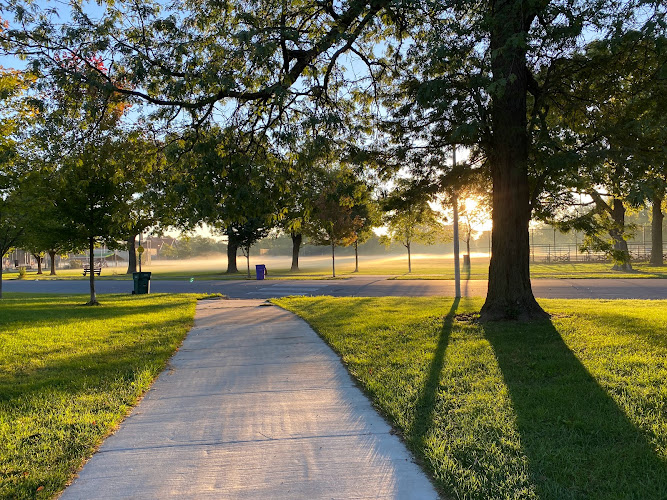
- Harrison Park next door. A neighborhood green space with a fieldhouse and community events, useful for a reset between galleries and lunch.
Visitor Strategy & Planning Snapshot
Because there is no ticket to buy, planning is mostly about timing and pairing the museum with the neighborhood around it.
| Planning Factor | What to Expect | Practical Strategy |
|---|---|---|
| Ideal Arrival Window | Weekday mornings and early afternoons are quietest; the galleries feel nearly private. | Arrive soon after opening, then head to lunch on 18th or 26th Street. Avoid weekend afternoons in October. |
| Typical Time Needed | One to three hours depending on how much you read and which exhibitions are up. | Plan 90 minutes for a solid visit; add time for the gift shop and a Pilsen mural walk. |
| Booking / Queue Reality | Free general admission, no timed ticket needed for regular visits. Lines are rare outside Día de los Muertos season and special events. | Walk in. Check the museum’s calendar for ticketed programs, openings, or group events before you go. |
| Terrain & Accessibility | Flat, compact interior. Wheelchair accessible entrance, parking lot, and restroom are all listed. | Use the accessible entrance and lot if needed. Street parking nearby is possible but varies; the Pink Line 18th Street stop is a short walk. |
| Weather / Seasonal Fit | Indoor and climate-controlled, so it works in Chicago winter and summer heat alike. | Autumn is the signature season. In cold months, pair it with indoor food stops; in warm months, add the outdoor murals. |
Honest Trade-Offs: Best For vs. Who Might Skip
The museum is best for travelers who want culture with context: people curious about Mexican and Mexican-American history, families who want a manageable and free museum, repeat Chicago visitors who have done the big downtown institutions, and anyone planning a Pilsen day. It is also a strong choice on a rainy or freezing day. Skip it, or shorten it, if you want encyclopedic, blockbuster-scale collections or an all-day museum experience. It is not that building. Visitors expecting a large Frida Kahlo display should check current exhibitions first, since shows rotate and the museum is not a Kahlo-only venue. During Día de los Muertos season, weekends can feel crowded, and those who prefer quiet contemplation should go on a weekday.
Neighborhood Context & How to Pair Your Visit
Pilsen is one of Chicago’s most walkable and visually rich neighborhoods, and the museum makes a natural starting point. Spend your first hour or two inside, then walk to the taquerias, bakeries, and panaderías along 18th Street for lunch. From there, follow the murals that cover building walls and viaducts around the neighborhood; many are within a short stroll. Harrison Park next door is useful for a break, especially in warm weather or during autumn community events. The CTA Pink Line stops at 18th Street, so you can leave a car behind and combine this with a downtown afternoon, since the museum is free and pairs well with paid attractions in the Loop. Check the museum’s current calendar for openings, talks, and seasonal programs before choosing your day, because a well-timed opening or artist talk can add a lot to an already rewarding stop.
Frequently Asked Questions
Is the National Museum of Mexican Art free, and where is it?
General admission is free for everyone, with no residency requirement. The museum is in Chicago’s Pilsen neighborhood, in Harrison Park on the Lower West Side. Its compact galleries make it a manageable stop for art lovers, history buffs, families with children, and solo travelers.
What can you see at the National Museum of Mexican Art?
The museum presents Mexican and Mexican American art across 3,600 years of creative history. Its permanent collection contains more than 18,000 works, including textiles, prints, photography, ceramics, and folk art. Highlights include the autumn Día de Muertos exhibition and rotating shows featuring contemporary Chicago-Mexican artists alongside artists from Mexico.
How long should you allow, and what accessibility support is available?
Allow about 1.5 to 2 hours for a typical visit. Staff can help with accessible museum routes. Limited free wheelchairs and cane stools are available at reception on a first-come, first-served basis. The museum also has a wheelchair-accessible entrance, parking lot, and restroom.
When planning your Chicago travel guide or comparing verified attractions and museums in Chicago, pair this stop with standout local spots including Museum of Illusions Chicago, Aba, Harrison Park, and Riverside Square & River's Edge (2.3 km away).