
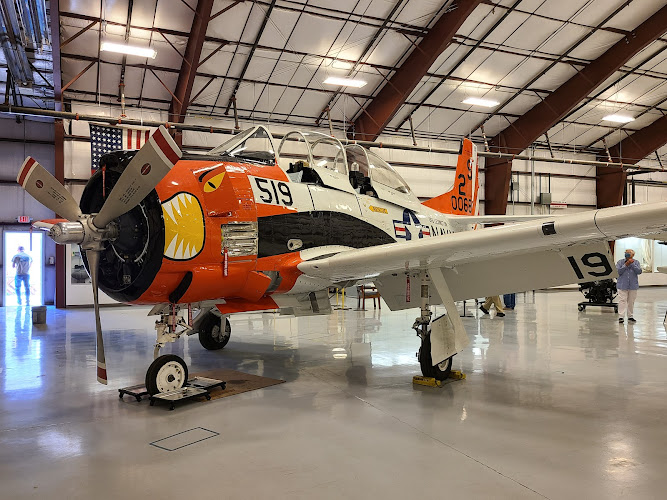
The National Museum of World War II Aviation brings the scale and purpose of wartime flight into focus through aircraft, artifacts, and restoration work. In Colorado Springs’ airport area, this is not a quick gallery of suspended planes: the museum centers on the machines that flew, the people who operated them, and the industrial skill that kept them in service during World War II.
Expect a hangar-like setting where large airframes invite close comparison, from fighters built for speed and altitude to bombers, trainers, and patrol aircraft designed for very different jobs. The collection’s flying aircraft and the hosted look inside Westpac, its working restoration facility, give the visit an unusually practical angle. It is a strong destination for travelers who want context behind the hardware rather than a photo stop alone.
Standout Highlights & What Not to Miss
Start by looking beyond aircraft size and paint schemes. Read the display interpretation, then compare each airplane’s mission, crew needs, range, armament, and maintenance demands. That approach turns the museum from a sequence of impressive objects into a clear story of how American aviation supported a global war.
- North American B-25 Mitchell: This medium bomber is an essential reference point for understanding multi-crew combat aircraft. Take time to notice how its form, engines, defensive positions, and internal demands differ from a single-seat fighter.
- Republic P-47 Thunderbolt and Corsair: These powerful fighters make a rewarding side-by-side study in roles and engineering. Look at their robust proportions and consider the operational pressures that shaped aircraft built for combat performance.
- Naval and patrol perspectives: Aircraft such as the SBD Dauntless, TBM Avenger, and Catalina broaden the story beyond land-based fighters and bombers, illustrating reconnaissance, anti-submarine, carrier, and maritime missions.
- Hosted Westpac restoration visit: The restoration operation is a major distinction here. Access is hosted rather than independent, and it reveals the fabrication, propeller, and preservation work required to return historic aircraft to airworthy or display condition.
- Waco JYM exhibit: The civilian aviation context matters. Its replica Northwest Airlines hangar front helps connect prewar commercial flying with the broader aviation ecosystem that helped develop skills, infrastructure, and public familiarity with flight.
Visitor Strategy & Planning Snapshot
| Planning Factor | What to Expect | Practical Strategy |
|---|---|---|
| Ideal Arrival Window | A quiet start gives more room for close looking and conversations with companions. | Arrive near the beginning of the public day where possible, especially if you want to absorb exhibit labels without rushing. |
| Typical Time Needed | Most visitors need 2 to 3 hours for the main collection. | Allow the full window if aircraft history interests you; add flexibility when planning a hosted restoration visit. |
| Booking / Queue Reality | Westpac access is hosted, not self-guided, and arrangements may be needed. | Confirm restoration-visit procedures before your trip. Do not build the day around seeing one specific aircraft, as operational needs can change displays. |
| Terrain & Accessibility | The museum can provide wheelchairs and walkers on request; routes between displays and Westpac may require planning. | Arrange mobility equipment when booking and ask staff which routes best suit your needs before beginning the hosted portion. |
| Weather / Seasonal Fit | This is an indoor-focused stop, useful when Colorado Springs weather makes outdoor sightseeing less appealing. | Pair it with nearby airport-area plans or use it as a dependable museum block on a changeable-weather day. |
Honest Trade-Offs: Best For vs. Who Might Skip
This museum is best for World War II history followers, warbird enthusiasts, restoration-minded travelers, and families with school-age children who can engage with technical stories. It rewards patience: the richest experience comes from comparing aircraft and following the historical interpretation, not simply moving from one large object to the next. Free parking adds practical ease for drivers. On the other hand, travelers seeking a downtown stroll, an art-focused museum, or a short indoor diversion may find the airport-area location and specialized subject matter less convenient. Very young children or visitors with little interest in aviation may prefer a shorter visit, while those eager for a Westpac experience should plan ahead rather than assume casual entry.
Neighborhood Context & How to Pair Your Visit
The museum sits in the Colorado Springs Airport area, so it works best as a purposeful destination rather than a stop folded into the city’s central pedestrian districts. Drive in, use the museum as the anchor of a half-day, and leave generous time for the collection before adding another activity elsewhere in the city. Travelers with an aviation theme can make the visit a natural companion to airport arrival or departure plans; history-oriented visitors can pair it with a separate Colorado Springs museum or landmark later in the day. Keep the itinerary simple: arrive with enough time to explore, reserve any hosted element you want, and avoid overpacking the day with cross-town commitments.
When planning your Colorado Springs travel guide or comparing verified attractions and museums in Colorado Springs, pair this stop with standout local spots including Colorado Springs Marriott, DoubleTree by Hilton Hotel Colorado Springs, A Pasta Bar, and Home2 Suites by Hilton Colorado Springs South (7.9 km away).


