
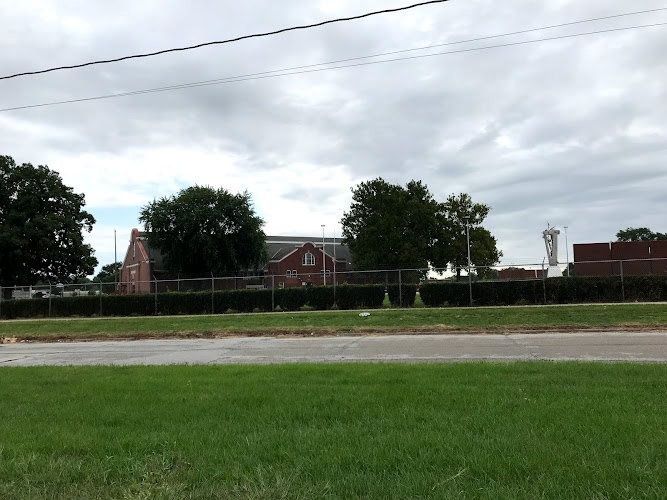
Fort Des Moines Museum & Education Center is a military and civil-rights history museum at 75 E Army Post Road, Des Moines, Iowa 50315, in the city’s South Side Fort Des Moines area. The Army post, established in 1901 and opened in 1903, became a landmark training ground for Black officers during World War I and women entering Army service during World War II. Travelers visit for these intertwined stories of military service, opportunity, and institutional discrimination.
What to Expect at Fort Des Moines Museum & Education Center
The central World War I story is the 1917 training camp for African American officer candidates. On October 15, 1917, 639 men received commissions as captains or lieutenants, an extraordinary milestone within a segregated Army. Historical photographs, biographical interpretation, and military displays connect that achievement with the barriers these officers faced. Read the individual accounts alongside the larger chronology: the significance lies as much in who could lead as in the mechanics of military training.
The World War II interpretation follows the Women’s Army Auxiliary Corps, whose first training center opened at Fort Des Moines in 1942. The organization became the Women’s Army Corps in 1943, giving its members Army status rather than auxiliary status. These exhibits reward attention to changing duties, uniforms, and expectations. Outside, the former post’s red-brick military buildings and orderly layout add architectural context; this was a working installation, not a battlefield reconstructed for visitors.
- 1917 officer training: Follow the pioneering class that produced 639 commissioned African American officers.
- Women’s wartime service: Trace the transition from the WAAC to the WAC during World War II.
- Personal histories: Give individual biographies and historical photographs time beyond a quick scan of dates.
- Historic military architecture: Study the brick buildings and planned arrangement of the early twentieth-century post.
- National Historic Landmark setting: Connect the museum’s interpretation with the nationally recognized Fort Des Moines Provisional Army Officer Training School site.
Fort Des Moines Museum & Education Center at a Glance
| Detail | Information |
|---|---|
| Address | 75 E Army Post Road, Des Moines, IA 50315 |
| Neighborhood / Area | South Side; historic Fort Des Moines |
| Operating Hours | Saturday 10 a.m.–4 p.m.; closed Sunday–Friday |
| Admission / Price Range | Free admission; $; donations support the museum |
| Recommended Visit Duration | 60 to 90 minutes |
| Nearest Transit / Parking | DART Route 7 serves the Army Post Road corridor; approach by E Army Post Road and use designated visitor parking |
| Official Website & Phone | Official museum page; +1 515-400-3678 |
Visiting Tips, Getting There & Nearby Pairings
Arrive around Saturday opening to leave ample reading time before lunch. Check the museum’s official updates before traveling, especially around holidays, and call ahead for school groups or a guided visit rather than expecting a scheduled tour. Ask staff about photography and large-bag storage before entering the displays. Plan refreshments elsewhere rather than building your itinerary around a museum café or shop. Drivers should follow museum parking signs and keep neighboring institutional entrances clear; bus riders should check Route 7’s current Saturday timetable and return connection.
The historic parade-ground area and surviving barracks and officers’ quarters make two useful architectural pairings within a short, roughly 5–15-minute walk, depending on your route. Respect occupied buildings and restricted areas rather than treating the entire former post as museum space. Outdoor exploration adds pavement, crossings, and building approaches to the visit; call ahead about step-free entry, wheelchair circulation, accessible restrooms, and seating. For a longer family outing, Blank Park Zoo is a practical nearby pairing by car, rather than a quick walk from the museum.
Frequently Asked Questions
When is the museum open, and when should I arrive?
Regular hours are Saturday from 10 a.m. to 4 p.m.; the museum is closed Sunday through Friday. Arrive near 10 a.m. for an unhurried visit, and check official updates before making a special journey.
Is admission free, and do groups need reservations?
Admission is free, with donations supporting the museum’s work. Contact the museum in advance for organized groups, educational visits, or requests for guided interpretation.
How much time should I allow?
Budget 60 to 90 minutes for the exhibits and a brief look at the historic setting. Readers with a strong interest in Black military history or women’s wartime service may prefer two hours.
Is it suitable for families and visitors with mobility needs?
The subject matter particularly suits school-age children studying American history; adults should help explain segregation and unequal treatment. Visitors with mobility needs should call +1 515-400-3678 to discuss the entry route, restroom access, and seating before arrival.
When planning your Des Moines travel guide or browsing verified museums in Des Moines, pair this stop with standout local spots including Allora Cafe, The Iowa Taproom, RoCA, and Blank Park Zoo (0.9 km away).


