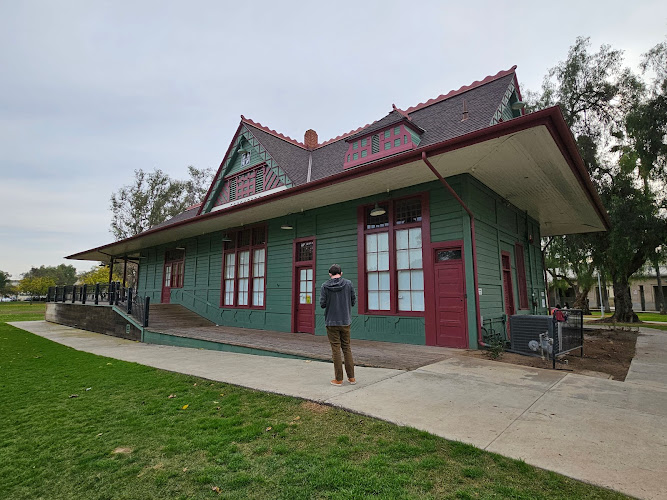
Escondido Elementary School is a public K–5 school in the Palo Alto Unified School District, set in Stanford’s Escondido Village area near graduate housing on the university campus. It is known locally for academics, a Spanish Immersion program, and a community shaped in part by Stanford students, postdocs, faculty, and families arriving from many countries.
This is an operating school rather than a sightseeing stop. The useful visitor experience is purposeful: a prospective-family visit, an enrollment-related appointment, a volunteer commitment, or an invitation to a school event. Expect an active educational environment, follow sign-in and safety procedures, and plan around the school day rather than treating the campus as open public space.
Standout Highlights & What Not to Miss
For families evaluating schools, Escondido’s distinctive value is in its programs and day-to-day community rather than in a conventional visitor attraction. Prepare specific questions before arriving, especially if Spanish Immersion, district enrollment, or a move connected to Stanford is part of the decision. The school’s character is best understood through an authorized visit and the information shared by staff and school community channels.
- Spanish Immersion program: This long-running option is a central reason many families research Escondido. Ask about the program’s enrollment pathway and how it fits a child’s prior language experience.
- PAUSD public-school context: Escondido is one of the district’s elementary schools, so attendance and choice-program questions should be approached through current district guidance rather than assumptions.
- Internationally connected school community: Its Stanford setting brings together families with varied national and language backgrounds, an important consideration for relocating households seeking peer connections.
- Library and volunteer life: The school library, parent volunteers, School Site Council, and PTA activity offer a practical window into how families participate beyond the classroom.
- After-school and family supports: Ask directly about current district-coordinated offerings, schedules, and eligibility; these details can change and matter greatly for working caregivers.
Visitor Strategy & Planning Snapshot
| Planning Factor | What to Expect | Practical Strategy |
|---|---|---|
| Ideal Arrival Window | Visits should work around an active instructional day and any appointment arranged with the school. | Confirm your meeting time first and arrive with enough margin to check in, rather than dropping by during arrival or dismissal activity. |
| Typical Time Needed | A focused school-related stop commonly takes about 30 to 60 minutes. | Allow additional time only if your appointment includes a tour, enrollment discussion, or a scheduled volunteer activity. |
| Booking / Queue Reality | General public touring is not the model; access is directed by school procedures and invited or approved purposes. | Contact the appropriate school or district channel in advance, bring requested identification, and do not expect walk-in access to classrooms. |
| Terrain & Accessibility | The Escondido Village campus is level and paved, making circulation comparatively manageable for wheelchairs and strollers. | Confirm the appropriate accessible entrance and any accommodation needs with the office before your visit. |
| Weather / Seasonal Fit | Most time is spent indoors or on a compact campus, while school calendars shape availability more than sightseeing seasons. | Choose a school-day appointment when programs are in session, and use sun or rain protection for the approach between nearby campus stops. |
Honest Trade-Offs: Best For vs. Who Might Skip
Escondido is best for prospective families comparing educational options, Stanford-affiliated households settling into the area, approved volunteers, educators, and guests attending a defined school function. Its strengths are meaningful but specialized: a public-school setting, Spanish Immersion interest, and a family-centered campus community. It is not a fit for casual campus explorers, visitors seeking architecture or attractions, or anyone without a school-related reason to enter. Privacy, learning time, and student safety necessarily take priority over spontaneous access. Families who need admissions clarity should also avoid reading a visit as an enrollment guarantee; program rules and placement processes must be verified through official current sources.
Neighborhood Context & How to Pair Your Visit
Place an approved Escondido visit within a practical Stanford itinerary rather than making it a stand-alone destination. The surrounding Escondido Village setting is useful for relocating families who want to understand the relationship between graduate housing, campus transportation, and everyday school routines. Marguerite shuttle access can help connect the area with other parts of Stanford, though riders should check current routes and service timing. Before or after an appointment, keep the itinerary pedestrian-friendly: walk through the nearby residential-campus environment, orient yourself to relevant university services, and reserve any broader Stanford exploration for public areas. Above all, separate public campus wandering from the school visit itself, and leave the campus promptly once your authorized purpose is complete.
When planning your Escondido travel guide or browsing verified attractions in Escondido, pair this stop with standout local spots including Escondido History Center, Rancho Bernardo Inn, Craft and Taco Lounge, and Hoover Tower (1.2 km away).