Fayetteville History Museum is a free local-history and transportation museum at 325 Franklin Street in downtown Fayetteville, North Carolina. Housed in the restored 1890 Cape Fear and Yadkin Valley Railroad depot, it explores how riverboats, roads, and railways shaped the city and surrounding Cumberland County. Also known as the Fayetteville Area Transportation and Local History Museum, it draws travelers for its historic station interiors, model railroad, and neighboring annex with vintage transportation displays.
What to Expect at Fayetteville History Museum
The depot is part of the collection: its brick exterior, projecting rooflines, and Romanesque Revival detailing recall the period when rail connections transformed regional commerce. Inside, two floors of exhibits connect Fayetteville’s development to the Cape Fear River, early roads, and expanding railroad networks. A recreated station agent’s office gives the building’s original purpose a human scale, while the model railroad rewards a slower look at tracks, buildings, and miniature streets. Start with the local-history displays, then use the transportation exhibits to connect the city’s geography with its growth.
The museum annex broadens the story beyond passenger trains. Its recreated 1920s gas station, vintage automobiles, and historic firefighting equipment show how motor vehicles changed everyday travel and municipal services. These larger objects make a useful counterpoint to the depot’s photographs, documents, and smaller artifacts. Exhibitions also provide context for a city named for the Marquis de Lafayette in 1783, more than four decades before his celebrated 1825 visit. Allow time for both buildings rather than treating the annex as an optional extra.
- 1890 railroad depot: Explore a surviving Cape Fear and Yadkin Valley Railroad building rather than a purpose-built exhibition hall.
- Station agent’s office: See the working environment associated with managing railway traffic and station business.
- Model railroad: Follow miniature tracks and streets for an accessible introduction to rail transportation.
- 1920s gas station: The annex recreates an early roadside setting from the automobile’s expanding influence.
- Transportation and firefighting displays: Vintage vehicles and equipment connect technological change with local community life.
Fayetteville History Museum at a Glance
| Detail | Information |
|---|---|
| Address | 325 Franklin Street, Fayetteville, NC 28301 |
| Neighborhood / Area | Downtown Fayetteville, near Hay Street |
| Operating Hours | Tuesday–Saturday, 10 a.m.–4 p.m.; closed Sunday and Monday |
| Admission / Price Range | Free admission; $ |
| Recommended Visit Duration | 60 to 90 minutes for the depot and annex |
| Nearest Transit / Parking | FAST Transit Center, 505 Franklin Street; museum parking and downtown street parking |
| Official Website & Phone | Official museum visitor information; +1 910-433-1457 |
Visiting Tips, Getting There & Nearby Pairings
Arrive near the 10 a.m. opening for an unhurried circuit, particularly if you enjoy reading labels. Individual visitors can normally walk in; schools and organized groups should telephone ahead about guided visits. Check holiday arrangements before traveling. Ask staff about photography, large bags, and any temporary exhibition restrictions before starting, and keep bags compact around the model railroad and smaller displays. Plan a café stop on nearby Hay Street rather than building a meal into your museum visit.
FAST’s downtown Transit Center at 505 Franklin Street is a short walk west; consult Fayetteville’s official city website for current bus connections. Drivers can use museum parking or posted downtown spaces, checking signs for charges and limits. The historic depot has two exhibition floors, and the annex requires moving between buildings; wheelchair users and families with strollers should call about step-free routing, upper-floor access, and restroom arrangements. Afterward, walk roughly 5–10 minutes to Hay Street’s restaurants and the Market House, or about 10–15 minutes to the Airborne & Special Operations Museum for a separate military-history visit.
Frequently Asked Questions
When is Fayetteville History Museum open?
Regular hours are Tuesday through Saturday, 10 a.m.–4 p.m.; the museum closes Sunday and Monday. Arrive before midafternoon to leave enough time for both the depot and annex, and check holiday closures before setting out.
Is admission free, and do I need reservations?
Admission is free, making this a low-cost addition to a downtown walking itinerary. Ordinary individual visits do not require timed tickets; contact the museum in advance for group visits or guided-tour arrangements.
How much time should I allow?
Budget 60–90 minutes to explore the depot’s two floors and the annex. Visitors particularly interested in railroads or local photographs may prefer closer to two hours.
Is the museum suitable for children and visitors with mobility needs?
The model railroad, automobiles, and gas-station display give children concrete objects to focus on, although this is primarily a viewing museum. Because the visit spans a historic two-story depot and a separate annex, discuss your mobility requirements with staff before arrival.
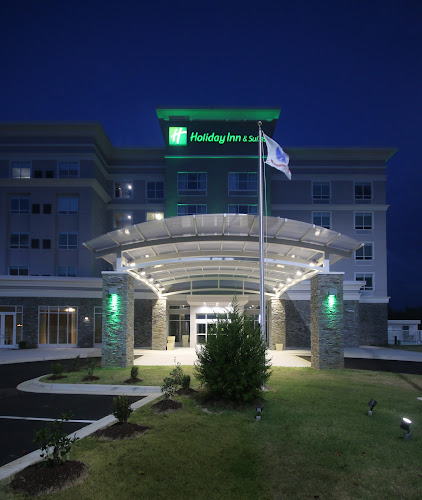
When planning your Fayetteville travel guide or comparing verified attractions and museums in Fayetteville, pair this stop with standout local spots including Holiday Inn & Suites Fayetteville W-Fort Bragg Area, an IHG Hotel, Clinton House Museum, Festival Park, and Antonella's Italian Ristorante (0.2 km away).