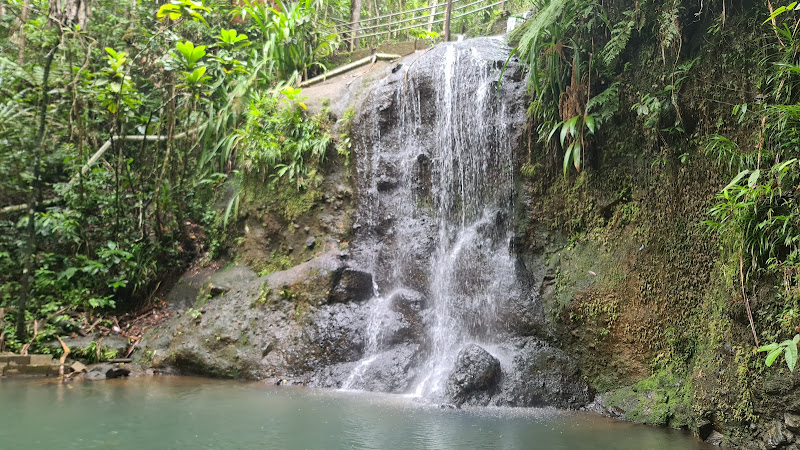
Colo-I-Suva Forest Park is a 2.5-square-kilometer tropical rainforest nature reserve and eco-adventure sanctuary located along Princes Road in the hills above Suva, Fiji. Perched at an altitude of 180 meters, the protected reserve features pristine natural swimming pools carved into volcanic rock, cascading waterfalls with rope swings, mahogany walking trails, and rich indigenous Fijian birdlife.
At A Glance: Colo-I-Suva Forest Park Details
| Park Aspect | Geographical Specification & Visitor Detail |
|---|---|
| Location & Island | Princes Road, Colo-I-Suva, Viti Levu, Republic of Fiji (20 minutes north of Suva) |
| Operating Hours | Open daily: 8:00 AM – 4:00 PM (Optimal swimming between 9:30 AM and 2:30 PM) |
| Admission Tickets | Fijian Citizens: FJ$5 | International Visitors: FJ$15 ($6.70 USD) at Visitor Center |
| Elevation & Climate | 180m (590 ft) above sea level; noticeably cooler and breezier than coastal Suva |
| Signature Highlights | Natural freshwater plunge pools, rope swings, cascading falls, mahogany forests |
| Endemic Birdlife | Fiji barking pigeon, golden dove, sulfur-breasted musk parrot, pink-billed parrotfinch |
A Rainforest Oasis in the Hills of Viti Levu
Established in 1872 and formally designated as a protected national forest reserve in 1949, Colo-I-Suva (pronounced Tholo-ee-Soova) protects a critical ecological watershed in the Waimanu River basin. While coastal Suva is a bustling, humid administrative port city, climbing Princes Road into the cloud-kissed ridges of Colo-I-Suva brings a dramatic drop in temperature and a transition into verdant sub-tropical rainforest.
The park blends indigenous Fijian rainforest trees with towering African mahogany trees planted in the mid-20th century to stabilize hillside soils. Strangler figs, wild ginger blossoms, giant bird’s nest ferns, and hanging liana vines form a dense green canopy that filters tropical sunlight and fills the valley with the serene sound of rushing mountain waters.
Freshwater Swimming Pools & Waterfall Rope Swings
The main attraction for visitors is the network of crystalline, spring-fed freshwater swimming pools terraced into the volcanic rock along the creek:
- The Lower Pools: The most popular and accessible swimming area, featuring deep, emerald-tinted rock pools fed by gentle waterfalls. A famous thick rope swing hangs suspended from a massive overhanging mahogany branch, allowing brave swimmers to launch themselves out over the canyon into the deep, refreshing water.
- The Upper Pools: Located a 15-minute hike further up the valley along the Creek Trail. These secluded pools are quieter and surrounded by giant tropical ferns, perfect for relaxed floating and peaceful swimming amidst nature.
- Cascading Waterfalls: Multiple multi-tiered waterfalls tumble through the reserve, creating natural hydromassage spots beneath the falling spray and smooth volcanic rock waterslides.
Birdwatching & Flora on the Nature Trails
Colo-I-Suva is globally recognized by ornithologists as one of the premier birdwatching destinations in the South Pacific. Over 30 species of native and endemic birds inhabit the canopy:
Equipped with binoculars, early morning birdwatchers can spot the elusive Fiji Barking Pigeon (known locally for its dog-like bark), the radiant Golden Dove with its iridescent yellow plumage, sulfur-breasted musk parrots, red-throated parrotfinches, and Fiji woodswallows darting above the tree canopy. Friendly park rangers stationed at the Visitor Information Center can arrange guided birdwatching walks.
Hiking Trails & Safety Guidelines
The park features approximately 6.5 kilometers of walking trails. The main paths are paved with grooved concrete steps and wooden handrails near the swimming pools, while upper loops are unpaved clay trails. Because tropical rainfall occurs frequently in the highlands, wet rocks and clay paths can become extremely slick; sturdy hiking shoes or strap-on water sandals with good rubber tread are essential.
Swimmers should always check water depth before jumping and avoid swimming alone. Restroom facilities, open-air changing sheds, and covered picnic bures (traditional Fijian thatch gazebos) are located near the pool trailheads.
How to Get to Colo-I-Suva from Downtown Suva
Located just 11 kilometers (7 miles) north of Suva city center, reaching the park is easy and inexpensive:
By Local Bus: Take the local Sawani or Princes Road bus from the main Suva City Bus Station (stand opposite the Suva Flea Market). The scenic ride takes about 25 minutes and costs approximately FJ$2.50. Ask the driver to drop you at the Colo-I-Suva Forest Park Visitor Center.
By Taxi: A metered taxi from downtown Suva takes roughly 15 to 20 minutes and costs between FJ$15 and FJ$20 ($7 to $9 USD). You can arrange for the driver to return for pick-up at an agreed hour.
Lunch Stop: After swimming, walk 500 meters up Princes Road to the historic Rainforest Eco Lodge for a cold Fiji Bitter beer, kokoda (traditional Fijian raw fish cured in lime juice and coconut cream), and views over the tranquil lily pond.
Frequently Asked Questions About Colo-I-Suva
Can children safely swim in the pools?
Yes, the shallower rock pools near the edges are suitable for confident swimming children under adult supervision. However, water depths in the center of the Lower Pool exceed 3 to 4 meters, so life vests or floaties are advised for younger kids.
Are changing facilities available?
Yes. Wooden changing sheds and basic restroom facilities are maintained near the lower car park and picnic bures.
Do I need to pay an entrance fee?
Yes. All visitors must register and purchase an entrance wristband at the Forestry Department Visitor Center on Princes Road before heading down to the trails.
Eco-Tourism Ethos & Environmental Conservation
As one of Fiji’s most ecologically significant rainforest catchments, Colo-I-Suva is managed under strict conservation principles by the Fiji Department of Forestry. The park serves as an essential green lung for the greater Suva urban corridor, preventing severe soil erosion and buffering regional water systems during the tropical wet season. Visitors are encouraged to practice “Leave No Trace” principles: avoid taking natural flora, refrain from using chemical sunscreens before entering pristine freshwater swimming holes, and pack out all personal trash.
The park’s indigenous forestry nursery programs allow local school groups and international university researchers to study South Pacific biodiversity. Educational exhibits located at the Visitor Center detail the life cycles of native Fijian hardwood species like *Dakua Makadre* (Fiji Kauri) and *Vesi*, alongside efforts to control invasive weed species and protect vulnerable ground-dwelling reptiles.
Guided Rainforest Safaris & Local Ranger Insights
While independent hiking is straightforward along the marked trail network, hiring a local Fijian park ranger for a nominal fee transforms the experience into an educational cultural safari. Rangers possess extraordinary eyesight for spotting well-camouflaged endemic birdlife high in the mahogany canopy, imitating avian mating calls with astonishing accuracy, and pointing out traditional medicinal rainforest plants historically used by Fijian healers to treat fever, wounds, and stings.


