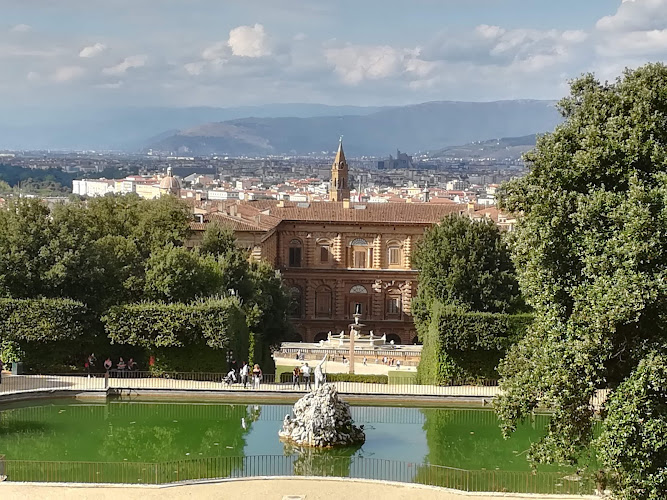
Toscana is Tuscany, the Italian region whose capital, Florence, concentrates Renaissance art, medieval churches, and distinctive regional cooking. This Florence stop centers on the Santa Maria Novella–Ognissanti area of the historic center, within postal district 50123 Firenze; Toscana is a regional destination, not an individual attraction with a numbered street entrance. Travelers come here for walkable encounters with Florentine architecture, fresco painting, neighborhood trattorias, and the Arno riverfront.
What to Expect at Toscana
Start with the western historic center rather than trying to cover all Tuscany in one outing. At Piazza di Santa Maria Novella, the Dominican church begun in 1279 combines Gothic structure with Leon Battista Alberti’s fifteenth-century marble facade. Inside, Masaccio’s Trinity demonstrates early Renaissance perspective; the Tornabuoni Chapel contains Domenico Ghirlandaio’s fresco cycle, while the Spanish Chapel preserves Andrea di Bonaiuto’s Dominican imagery. The cloisters reward a slower circuit beyond the main church.
Continue toward Ognissanti for another important Ghirlandaio work: the Last Supper in the former convent refectory, which has separate visiting arrangements from the church. Nearby Via della Scala houses the Officina Profumo-Farmaceutica di Santa Maria Novella, rooted in Dominican pharmaceutical traditions dating to 1221. Its historic retail rooms introduce Florentine perfumery rather than a conventional museum collection. For lunch, look for ribollita, pappa al pomodoro, or pappardelle al cinghiale; bistecca alla fiorentina is generally priced by weight and suits sharing.
- Santa Maria Novella facade: White and green marble geometry links the medieval church with Alberti’s Renaissance design.
- Masaccio’s Trinity: The church’s landmark fresco creates the illusion of a vaulted architectural space.
- Tornabuoni Chapel: Ghirlandaio’s frescoes place biblical narratives within a recognizably Florentine social world.
- Historic perfumery: The Via della Scala shop offers fragrances and preparations associated with centuries of Dominican practice.
- Ognissanti riverfront: Piazza Ognissanti opens toward the Arno, with an easy extension to Ponte alla Carraia.
Toscana at a Glance
| Detail | Information |
|---|---|
| Address | 50123 Firenze, Metropolitan City of Florence, Italy; regional destination without a single street address. |
| Neighborhood / Area | Santa Maria Novella–Ognissanti, western historic center. |
| Operating Hours | Public streets and squares: daily, around the clock. Churches, museums, and shops maintain separate schedules. |
| Admission / Price Range | Outdoor exploration free; individual monuments charge admission. Neighborhood dining generally $$; steak dinners cost more. |
| Recommended Visit Duration | 3 to 4 hours for a neighborhood introduction. |
| Nearest Transit / Parking | Firenze Santa Maria Novella station; T1 at Alamanni–Stazione and T2 at Unità. Paid parking at the station’s underground garage. |
| Official Website & Phone | Official Tuscany tourism website; no single attraction telephone. |
Visiting Tips, Getting There & Nearby Pairings
Begin around 9am for a quieter street walk, then organize church visits around their published opening times and religious services. Reserve specific museum visits through their official channels rather than seeking a general Toscana ticket. Arrive by train or tram where possible: Florence’s restricted-traffic zone makes driving into the historic center inconvenient, and garage access requires attention to authorized routes. The station garage is a practical paid option, but do not follow a navigation app through restricted streets.
The neighborhood is largely level, but stone paving, narrow sidewalks, curb changes, and delivery traffic can complicate wheelchair and stroller travel. Santa Maria Novella has an accessible visitor route; ask staff to direct you to the appropriate entrance, since historic areas have differing access arrangements. Build in seated breaks on the piazzas. Within roughly 5–15 minutes of this western-center circuit, pair Piazza Ognissanti with Ponte alla Carraia or continue to Palazzo Strozzi for temporary exhibitions. Wear clothing covering shoulders and knees inside churches, and follow posted photography restrictions.
Frequently Asked Questions
What are Toscana’s opening hours, and when should I visit?
Tuscany has no opening hours, and Florence’s public streets remain accessible day and night. Start this neighborhood walk in the morning; check individual church and museum schedules before planning interior visits.
Do I need a ticket or restaurant reservation?
There is no general Toscana admission ticket: walking the neighborhood is free, while monuments sell their own tickets. Reserve popular trattorias for dinner, especially on weekends, and check the price per kilogram before ordering Florentine steak.
How much time should I budget?
Allow three to four hours for Santa Maria Novella, the perfumery, and the Ognissanti riverfront. Add a lunch break or exhibition visit to make this a comfortable half-day outing.
Is the area suitable for families and wheelchair users?
Short walking distances and open squares make the area manageable for families. Wheelchair users should plan around uneven paving and confirm entrance arrangements directly with each historic property.
When planning your Florence travel guide or browsing verified attractions in Florence, pair this stop with standout local spots including Duomo Complex, Sala di Berenice, Parco di Villa Strozzi, and L'Osteria di Giovanni (nearby).