
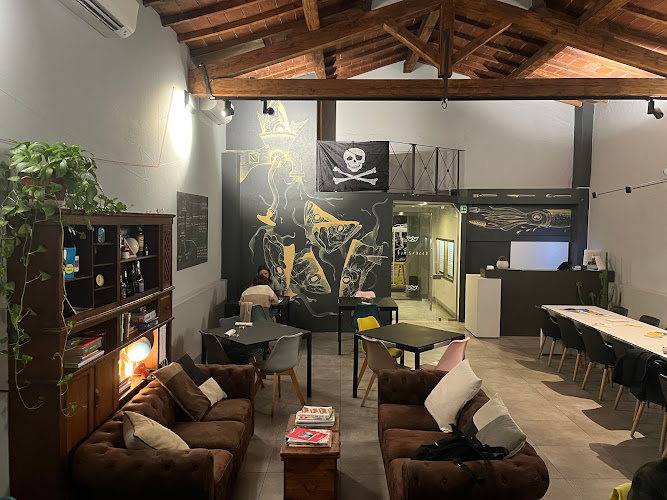
Essenziale is chef Simone Cipriani’s contemporary Tuscan tasting-menu restaurant at Piazza di Cestello 3R in the Oltrarno district of Florence, set inside a converted leather warehouse with an open kitchen. It’s known for reworking regional staples like lampredotto and bollito into refined plates, cutlery hidden in table drawers, and Bib Gourmand recognition from the Michelin Guide. Book ahead; tables run 25-40 seats.
Quick Reference: Essenziale at a Glance
| Address | Piazza di Cestello 3R, 50124 Firenze FI, Italy |
| Hours | Dinner service Tuesday–Sunday, roughly 19:30–22:30; closed Monday and closed for lunch most days (confirm directly, hours shift seasonally) |
| Pricing | Tasting menus from approximately €75–€120 per person; à la carte mains around €25–€40; wine pairings extra |
| House Specialties | Lampredotto reinterpretation, seafood crudo and tartare, bollito misto reworked, seasonal Tuscan vegetable courses, house-made bread and butter |
| Reservation Rules | Advance online or phone reservation strongly recommended, especially Friday–Saturday; smaller walk-in chance at bar seating on weekdays |
| Nearest Public Transit | C3/C4 electric minibus stops near Piazza di Cestello; 10–12 minute walk from Santa Maria Novella train station across Ponte alla Carraia |
| Neighborhood | San Frediano, Oltrarno — the artisan and workshop quarter south of the Arno |
Deep Profile: The Story Behind Essenziale
Simone Cipriani, a chef originally from Livorno, opened Essenziale in San Frediano with a defined premise: take Florentine working-class cooking — the lampredotto sandwiches sold from street carts, the bollito misto of Sunday family tables, the offal dishes long dismissed as poor man’s food — and rebuild them with technique, precision, and modern plating. The restaurant occupies a former leather warehouse, a nod to the tanning and leather-craft trades that defined San Frediano for centuries, and the industrial bones of the space remain visible in exposed beams, concrete floors, and an open kitchen positioned so diners watch the cooking line in real time.
The name itself, “essential,” signals the kitchen’s stated philosophy: strip a dish to its core ingredient and cooking method, then execute with discipline rather than decoration. This shows in the restaurant’s most talked-about detail — cutlery stored in a drawer built into each table, a literal callback to home dining that guests pull open rather than have set for them by staff. It’s a small gesture, but it defines the restaurant’s identity: fine-dining technique delivered without the formality typically attached to it.
Michelin has recognized the restaurant with a Bib Gourmand distinction, the guide’s designation for exceptional cooking at moderate prices rather than a full star, which places Essenziale in a category of ambitious, technically serious restaurants that still price meals below the city’s Michelin-starred rooms. Cipriani’s approach draws heavily on Tuscan butchery traditions and inland seafood trade routes from Livorno, giving the menu a dual identity: land-based offal and cured meats alongside confident raw and cooked fish preparations.
What to Order
- Lampredotto course: The restaurant’s signature reinvention of Florence’s classic tripe sandwich, served deconstructed or plated rather than in a bun — order this as a litmus test for the kitchen’s whole approach.
- Bollito misto reinterpretation: Traditional boiled meats reworked with modern sauces and reduced broths; heavier dish, best ordered as a middle tasting-menu course rather than to close a meal.
- Raw fish and crudo plates: Cipriani’s Livorno background surfaces here — clean citrus and olive oil dressing over precisely cut fish, a lighter counterpoint to the meat-forward dishes.
- Seasonal vegetable course: Changes with the market; look for artichoke, cardoon, or wild greens depending on the month, cooked to highlight bitterness and char rather than mask it.
- Tasting menu over à la carte: The kitchen’s rhythm — savory offal to lighter fish to a final protein — reads best as a sequence, so the multi-course menu is the stronger choice on a first visit.
Comparative Options in Florence
| Restaurant | Style | Price Range | Crowd | Best For |
|---|---|---|---|---|
| Essenziale | Modern Tuscan tasting menu, offal-focused | €€€ (~€75–120 tasting) | Moderate, mostly reservation-based | Diners wanting refined Tuscan tradition without stiff formality |
| Il Santo Bevitore | Contemporary Tuscan trattoria | €€ (~€40–60) | High, especially weekend dinner | Casual-refined dinner, wine-forward pairing |
| Ora d’Aria | Michelin-starred fine dining | €€€€ (tasting menus €100+) | Lower volume, formal | Special-occasion, full fine-dining ritual |
| Trattoria Sostanza | Historic no-frills Florentine trattoria | €€ (~€30–50) | Very high, long waits | Classic butter chicken and steak, old-school atmosphere |
Practical Logistics and Crowd Strategy
Book at least one to two weeks ahead for weekend dinners, and 3-4 days out for weeknights; last-minute tables occasionally open at the bar counter facing the kitchen. Arrive at the start of service (around 19:30) for the calmest room and best interaction with the open kitchen; by 21:00 the space fills and noise rises. Credit cards are accepted; carrying some cash is still useful in San Frediano generally but not required here. Dress code is smart-casual — no jackets required, but flip-flops and beachwear are out of place. The dining room is on one level with standard step-free access at the entrance, though narrow spacing between tables may be tight for wheelchairs; call ahead if mobility access is a concern. Piazza di Cestello has limited street parking; walking or taxi from central Florence is more practical than driving.
Nearby Itinerary Pairings
- Chiesa di San Frediano in Cestello (2-minute walk): The domed church directly on the piazza, worth a quick look before or after dinner.
- Ponte alla Carraia and the Arno riverbank (5-minute walk): A quieter alternative to Ponte Vecchio for river views and evening light.
- Santo Spirito neighborhood and Piazza Santo Spirito (10-minute walk): Artisan workshops by day, bar-hopping by night — pair with an aperitivo before your reservation.
- Palazzo Pitti and Boboli Gardens (12-15 minute walk): A full afternoon anchor if building a half-day plan around dinner at Essenziale.
FAQs
Does Essenziale serve lunch? Primarily a dinner restaurant; lunch service is limited or seasonal, so confirm directly before planning a midday visit.
Is Essenziale suitable for vegetarians? The menu leans meat and offal-heavy, but the kitchen accommodates vegetarian requests with advance notice given at booking.
How far is Essenziale from the Duomo? Roughly a 15-18 minute walk across the Arno, making it an easy dinner stop after a day of central sightseeing.
Does the restaurant have a dress code? Smart-casual is expected; there is no strict jacket-and-tie requirement, but the setting calls for neat, non-beach attire.
Essenziale is chef Simone Cipriani’s contemporary Tuscan tasting-menu restaurant at Piazza di Cestello 3R in the Oltrarno district of Florence, set inside a converted leather warehouse with an open kitchen. It’s known for reworking regional staples like lampredotto and bollito into refined plates, cutlery hidden in table drawers, and Bib Gourmand recognition from the Michelin Guide. Book ahead; tables run 25-40 seats.
Quick Reference: Essenziale at a Glance
| Address | Piazza di Cestello 3R, 50124 Firenze FI, Italy |
| Hours | Dinner service Tuesday–Sunday, roughly 19:30–22:30; closed Monday and closed for lunch most days (confirm directly, hours shift seasonally) |
| Pricing | Tasting menus from approximately €75–€120 per person; à la carte mains around €25–€40; wine pairings extra |
| House Specialties | Lampredotto reinterpretation, seafood crudo and tartare, bollito misto reworked, seasonal Tuscan vegetable courses, house-made bread and butter |
| Reservation Rules | Advance online or phone reservation strongly recommended, especially Friday–Saturday; smaller walk-in chance at bar seating on weekdays |
| Nearest Public Transit | C3/C4 electric minibus stops near Piazza di Cestello; 10–12 minute walk from Santa Maria Novella train station across Ponte alla Carraia |
| Neighborhood | San Frediano, Oltrarno — the artisan and workshop quarter south of the Arno |
Deep Profile: The Story Behind Essenziale
Simone Cipriani, a chef originally from Livorno, opened Essenziale in San Frediano with a defined premise: take Florentine working-class cooking — the lampredotto sandwiches sold from street carts, the bollito misto of Sunday family tables, the offal dishes long dismissed as poor man’s food — and rebuild them with technique, precision, and modern plating. The restaurant occupies a former leather warehouse, a nod to the tanning and leather-craft trades that defined San Frediano for centuries, and the industrial bones of the space remain visible in exposed beams, concrete floors, and an open kitchen positioned so diners watch the cooking line in real time.
The name itself, “essential,” signals the kitchen’s stated philosophy: strip a dish to its core ingredient and cooking method, then execute with discipline rather than decoration. This shows in the restaurant’s most talked-about detail — cutlery stored in a drawer built into each table, a literal callback to home dining that guests pull open rather than have set for them by staff. It’s a small gesture, but it defines the restaurant’s identity: fine-dining technique delivered without the formality typically attached to it.
Michelin has recognized the restaurant with a Bib Gourmand distinction, the guide’s designation for exceptional cooking at moderate prices rather than a full star, which places Essenziale in a category of ambitious, technically serious restaurants that still price meals below the city’s Michelin-starred rooms. Cipriani’s approach draws heavily on Tuscan butchery traditions and inland seafood trade routes from Livorno, giving the menu a dual identity: land-based offal and cured meats alongside confident raw and cooked fish preparations.
What to Order
- Lampredotto course: The restaurant’s signature reinvention of Florence’s classic tripe sandwich, served deconstructed or plated rather than in a bun — order this as a litmus test for the kitchen’s whole approach.
- Bollito misto reinterpretation: Traditional boiled meats reworked with modern sauces and reduced broths; heavier dish, best ordered as a middle tasting-menu course rather than to close a meal.
- Raw fish and crudo plates: Cipriani’s Livorno background surfaces here — clean citrus and olive oil dressing over precisely cut fish, a lighter counterpoint to the meat-forward dishes.
- Seasonal vegetable course: Changes with the market; look for artichoke, cardoon, or wild greens depending on the month, cooked to highlight bitterness and char rather than mask it.
- Tasting menu over à la carte: The kitchen’s rhythm — savory offal to lighter fish to a final protein — reads best as a sequence, so the multi-course menu is the stronger choice on a first visit.
Comparative Options in Florence
| Restaurant | Style | Price Range | Crowd | Best For |
|---|---|---|---|---|
| Essenziale | Modern Tuscan tasting menu, offal-focused | €€€ (~€75–120 tasting) | Moderate, mostly reservation-based | Diners wanting refined Tuscan tradition without stiff formality |
| Il Santo Bevitore | Contemporary Tuscan trattoria | €€ (~€40–60) | High, especially weekend dinner | Casual-refined dinner, wine-forward pairing |
| Ora d’Aria | Michelin-starred fine dining | €€€€ (tasting menus €100+) | Lower volume, formal | Special-occasion, full fine-dining ritual |
| Trattoria Sostanza | Historic no-frills Florentine trattoria | €€ (~€30–50) | Very high, long waits | Classic butter chicken and steak, old-school atmosphere |
Practical Logistics and Crowd Strategy
Book at least one to two weeks ahead for weekend dinners, and 3-4 days out for weeknights; last-minute tables occasionally open at the bar counter facing the kitchen. Arrive at the start of service (around 19:30) for the calmest room and best interaction with the open kitchen; by 21:00 the space fills and noise rises. Credit cards are accepted; carrying some cash is still useful in San Frediano generally but not required here. Dress code is smart-casual — no jackets required, but flip-flops and beachwear are out of place. The dining room is on one level with standard step-free access at the entrance, though narrow spacing between tables may be tight for wheelchairs; call ahead if mobility access is a concern. Piazza di Cestello has limited street parking; walking or taxi from central Florence is more practical than driving.
Nearby Itinerary Pairings
- Chiesa di San Frediano in Cestello (2-minute walk): The domed church directly on the piazza, worth a quick look before or after dinner.
- Ponte alla Carraia and the Arno riverbank (5-minute walk): A quieter alternative to Ponte Vecchio for river views and evening light.
- Santo Spirito neighborhood and Piazza Santo Spirito (10-minute walk): Artisan workshops by day, bar-hopping by night — pair with an aperitivo before your reservation.
- Palazzo Pitti and Boboli Gardens (12-15 minute walk): A full afternoon anchor if building a half-day plan around dinner at Essenziale.
FAQs
Does Essenziale serve lunch? Primarily a dinner restaurant; lunch service is limited or seasonal, so confirm directly before planning a midday visit.
Is Essenziale suitable for vegetarians? The menu leans meat and offal-heavy, but the kitchen accommodates vegetarian requests with advance notice given at booking.
How far is Essenziale from the Duomo? Roughly a 15-18 minute walk across the Arno, making it an easy dinner stop after a day of central sightseeing.
Does the restaurant have a dress code? Smart-casual is expected; there is no strict jacket-and-tie requirement, but the setting calls for neat, non-beach attire.


