Museum of the Polish Post Office is a branch of the Museum of Gdańsk at plac Obrońców Poczty Polskiej 1/2, 80-800 Gdańsk, on the northern edge of the Old Town. Opened as a museum in 1979 within the former Polish Post Office No. 1, it recounts the defense of this Polish enclave on 1 September 1939, one of the first battles of the Second World War, and the daily life of Poles in the Free City of Gdańsk.
What to Expect at Museum of the Polish Post Office
The visit is compact but emotionally weighty. The permanent displays follow the rising pressure on the Polish community in the Free City of Gdańsk, the preparation of the post office staff, and the German assault that began at dawn on 1 September 1939. Fifty-seven defenders, including postal employees and other civilians, held the building for about 14 hours before surrendering. Documents, photographs, weapons-related material and personal testimony give the siege a human scale, while the subsequent prosecution and execution of many defenders reveal its lasting tragedy.
Its location is central to the experience: these events unfolded in this very red-brick former post-office building, rather than in a purpose-built gallery. Alongside the wartime narrative, displays explain how Polish postal and telegraph services functioned and examine Polish civic life in interwar Danzig. Begin with the Free City context before moving into the defense sequence; it makes the final sections and the memorial outside more meaningful. The museum is part of the Museum of Gdańsk, and its official site is the best source for current exhibitions, group arrangements and visitor rules.
- 1 September 1939 defense: A chronological account of the siege of Polish Post Office No. 1, from the first attack to the defenders’ surrender.
- Original historic setting: Galleries occupy the actual building defended by the postal workers, with its institutional red-brick exterior still intact.
- Free City of Gdańsk: Historical material places the post office within the politically tense, semi-autonomous city of 1920–1939.
- Postal-service history: Artifacts and archival material trace the organization and everyday work of Polish postal and telegraph services.
- Defenders’ memorial: The dramatic monument immediately outside commemorates those who resisted and is essential viewing before or after the galleries.
Museum of the Polish Post Office at a Glance
| Detail | Information |
|---|---|
| Address | plac Obrońców Poczty Polskiej 1/2, 80-800 Gdańsk, Poland |
| Neighborhood / Area | Northern Old Town, near the Motława waterfront and the former shipyard area |
| Operating Hours | Monday–Wednesday and Friday–Sunday 10am–4pm; Thursday 10am–6pm |
| Admission / Price Range | Paid admission; $ price level. See the official Museum of Gdańsk page for current ticket rates. |
| Recommended Visit Duration | 45 to 75 minutes |
| Nearest Transit / Parking | Gdańsk Główny rail, bus and tram hub is roughly a 15-minute walk; paid central parking is available around the Old Town. |
| Official Website & Phone | Museum of Gdańsk; +48 58 573 31 28 |
Visiting Tips, Getting There & Nearby Pairings
Arrive close to the 10am opening for the quietest reading time, particularly if you want to absorb the archival panels rather than make a quick stop between Old Town sights. Thursday’s later closing is useful for a late-afternoon visit. Individual visits fit easily into a day on foot; groups, school parties and travelers requiring specialist assistance should contact the museum ahead of time. Check with staff on arrival about photography, bags and any temporary exhibition restrictions.
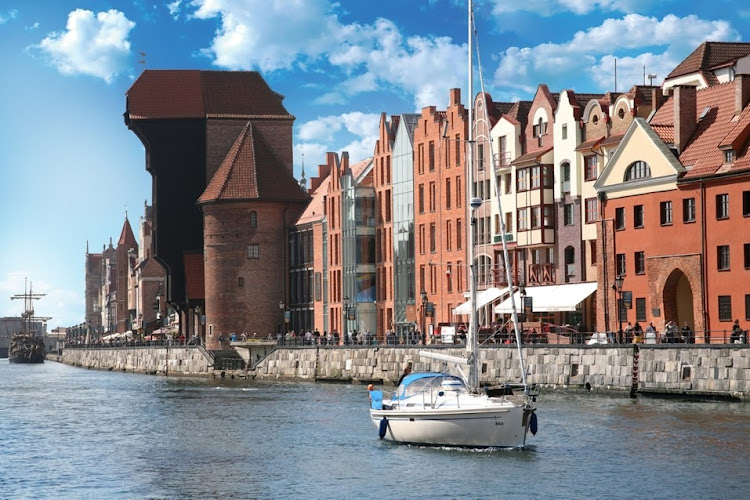
From Gdańsk Główny, walk north via Wały Jagiellońskie and the Old Town approaches, or use the city’s bus and tram network to central stops and continue on foot; route planning is available through Gdańsk Public Transport. The compact historic building can have tighter circulation than a modern museum, so wheelchair users and visitors with strollers should call ahead to confirm step-free entry and the most practical route. Pair the visit with the monument outside, the Museum of the Second World War about 10 minutes away on foot, and the European Solidarity Centre near Plac Solidarności, around 15 minutes away. The Crane and Motława embankment are also an easy Old Town walk.
Frequently Asked Questions
When is the best time to visit the Museum of the Polish Post Office?
The museum opens daily at 10am, closing at 4pm most days and at 6pm on Thursdays. Go at opening or on a Thursday afternoon for more time with the detailed historical displays.
Do I need to reserve tickets in advance?
Admission is paid and falls in the $ range, with current rates published by the Museum of Gdańsk. Individual travelers can check ticket availability directly with the museum; advance contact is especially sensible for groups and educational visits.
How long should I budget for the museum?
Allow 45 to 75 minutes for the permanent exhibition and the monument outside. History-focused visitors should leave extra time to read the Free City of Gdańsk material and the accounts of the 1939 defenders.
Is the museum suitable for families and visitors with limited mobility?
Older children and teenagers studying the Second World War will find the site particularly powerful, though the subject includes violence, siege and execution. The building is historic rather than purpose-built; contact the museum before arrival for current step-free-access and stroller or wheelchair guidance.
When planning your Gdansk travel guide or browsing verified history museum in Gdansk, pair this stop with standout local spots including Hotel Gdańsk Boutique, Liberum, Römischer Keller, and Hilton Gdańsk (0.2 km away).