Museum für Geschichte is the Universalmuseum Joanneum’s museum of Styrian history at Sackstraße 16, 8010 Graz, in the Old Town just north of Hauptplatz. Housed in the historic Palais Herberstein, it traces the region’s society, politics and everyday life from the High Middle Ages to the present through objects, images and changing exhibitions. Travelers come for a concise, thoughtful introduction to Styria beyond the familiar landmarks of Graz.
What to Expect at Museum für Geschichte
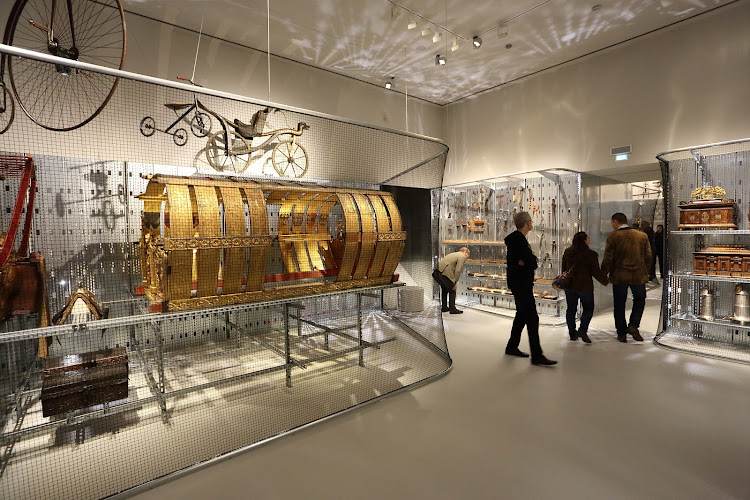
The museum’s subject is deliberately broad: not only dynasties, wars and borders, but also how Styrians dressed, worked, communicated and represented themselves. Its holdings bring together the Kulturhistorische Sammlung (Cultural-Historical Collection), the Sammlung Geschichte and the Multimediale Sammlungen, whose photographs, film and sound material document the changing appearance and memory of the region. Temporary exhibitions give the galleries a changing focus, so check the current programme before choosing a route.
Palais Herberstein is part of the experience. Behind the Sackstraße façade, historic rooms and courtyards provide a markedly different setting from a purpose-built museum, while the displays use original objects and visual material to connect individual stories with larger events. Begin with the introductory historical displays, then follow the temporary exhibition rooms; this makes the chronology easier to grasp before concentrating on subjects that interest you most. Guided tours can be arranged through the museum, and staff can advise on the day’s exhibition route. Large bags should be left in the cloakroom or lockers; follow gallery signage and staff instructions for photography, since rules can differ by exhibition.
- Styrian history: A regional story spanning the High Middle Ages through the political and social changes of the present day.
- Multimedia Collections: Historical photographs, film and sound records add a visual and personal dimension to the objects on view.
- Cultural-Historical Collection: Material culture and decorative objects reveal everyday habits, status and taste across Styria.
- Palais Herberstein: The museum occupies a historic Sackstraße palace in Graz’s UNESCO-listed Old Town streetscape.
- Changing exhibitions: Rotating displays allow repeat visitors to explore focused themes from Styrian society and history.
Museum für Geschichte at a Glance
| Detail | Information |
|---|---|
| Address | Sackstraße 16, 8010 Graz, Austria |
| Neighborhood / Area | Old Town (Innere Stadt), near Hauptplatz and the Mur |
| Operating Hours | Tuesday–Sunday 10:00–18:00; closed Monday |
| Admission / Price Range | Paid admission; typical $ single-museum ticket tier. Check the official ticket page for current rates and concessions. |
| Recommended Visit Duration | 1.5 to 2 hours |
| Nearest Transit / Parking | Hauptplatz/Congress tram stop is about a 5-minute walk; Parkgarage Pfauengarten and central Old Town garages are nearby. |
| Official Website & Phone | museum-joanneum.at/museum-fuer-geschichte; +43 316 80179800 |
Visiting Tips, Getting There & Nearby Pairings
Arrive close to the 10:00 opening for the quietest galleries, particularly on weekends and during school holidays. Buy admission online when a special exhibition or guided visit matters to your schedule, and allow extra time for the palace setting rather than treating the museum as a quick stop between sights. The Hauptplatz/Congress stop is served by several central Graz tram lines; from there, walk north through the pedestrianized Old Town to Sackstraße. Drivers should use a central garage rather than expect street parking in the historic core.
The museum provides step-free access and lift connections on its principal visitor levels, making it practical for wheelchair users and strollers, though the historic building’s changing exhibition layouts can affect individual routes. Ask at the entrance for the simplest accessible circulation route and for seating locations. Within 5 to 15 minutes on foot are the Hauptplatz and its Town Hall, the Murinsel footbridge and Kunsthaus Graz across the river, plus the Schlossberg funicular at Kaiser-Franz-Josef-Kai. Pair the visit with a walk along Sackstraße’s historic façades or a coffee break around Hauptplatz.
Frequently Asked Questions
When is Museum für Geschichte open, and when should I go?
The museum is open Tuesday through Sunday from 10:00 to 18:00 and closed on Mondays. Visit at opening or later in the afternoon for a more measured look at the displays, especially if you want time in the temporary exhibitions.
How much are tickets, and should I reserve ahead?
Admission is paid and falls in a $ price tier for a single museum visit; rates, reduced tickets and combined options are published by Universalmuseum Joanneum. Advance online purchase is sensible for timed programmes, guided tours and busy exhibition periods, while ordinary independent visits can usually be planned around opening hours.
How long should I budget for the museum?
Plan 1.5 to 2 hours for the historical overview, collection displays and a temporary exhibition. Allow closer to 2.5 hours if you read interpretive material closely, join a guided tour or want to linger in the palace rooms.
Is Museum für Geschichte suitable for families and wheelchair users?
It suits older children, teenagers and adults interested in visual history, photography and regional culture; exhibition themes are more rewarding for curious readers than for very young children. Step-free access and elevators support wheelchair and stroller visits, and entrance staff can help identify the most straightforward route through the historic building.
When planning your Graz travel guide or browsing verified museums in Graz, pair this stop with standout local spots including Boutique Hotel Dom – Rooms & Suites, Johann Puch Museum Graz, Gallery Leonhard, and Graz Museum (nearby).