
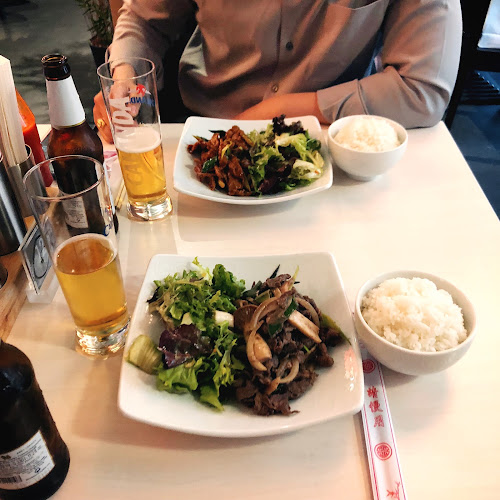
Arirang is a Korean restaurant in Bern’s central station district, positioned just west of the Old Town and well suited to a meal between train arrivals, museum visits, and a stroll through the historic center. Its focus is a concise, recognizable range of Korean specialties: bulgogi, mandu dumplings, bibimbap, and hoe deop bap, a rice bowl featuring raw fish.
The appeal is less about a long, lingering destination meal than a flavorful change of pace from traditional Swiss dining in a highly practical part of the city. Lunch can suit solo travelers and tight sightseeing schedules; dinner works for couples or small groups who want to share contrasting dishes. The air-conditioned dining room is also a welcome indoor stop when Bern’s weather calls for a break from walking.
Standout Highlights & What Not to Miss
Arirang’s menu gives visitors several useful entry points into Korean food, from familiar grilled meat and mixed rice to dumplings and seafood-led choices. Rather than treating every dish as interchangeable, build an order around different textures and preparations: one warm rice dish, one shareable starter, and, if everyone is comfortable with it, a raw-fish option. Ask the team about current availability, spice level, and ingredients before committing, especially if a dish name is new to you.
- Bulgogi: Marinated meat is the straightforward choice for diners seeking a savory, cooked Korean specialty with broad appeal. It is a sensible anchor for a first visit.
- Bibimbap: This mixed-rice format brings vegetables and accompanying ingredients together in one bowl. It is a practical individual order when diners want a composed meal rather than several shared plates.
- Mandu dumplings: Order dumplings to add a shareable element and contrast a rice-based main. Confirm the filling if you have dietary restrictions or preferences.
- Hoe deop bap: This raw-fish rice bowl is the more adventurous signature route. Choose it only if uncooked seafood suits your tastes, and ask what fish and seasoning are being used that day.
- Menu range beyond the headlines: Soups, noodles, curry, fried-rice-style dishes, salads, and other Korean preparations offer alternatives for repeat visitors or groups with different appetites.
Visitor Strategy & Planning Snapshot
| Planning Factor | What to Expect | Practical Strategy |
|---|---|---|
| Ideal Arrival Window | The station-area setting makes Arirang especially useful around a train journey, a midday sightseeing pause, or before an evening in central Bern. | Build it around your arrival or departure rather than making a cross-city detour; allow a little buffer before a timed rail connection. |
| Typical Time Needed | A meal generally fits into a 45- to 75-minute stop, depending on the size of your order and whether you share starters. | Choose one main each for the quickest visit; add mandu or multiple dishes when your schedule is more relaxed. |
| Booking / Queue Reality | Walk-in lunch dining can suit travelers, while evening reservations are a useful feature for planned dinners. | Reserve ahead for an evening meal when timing matters, particularly for couples, small groups, or nights with fixed plans afterward. |
| Terrain & Accessibility | The restaurant is in central Bern near the station; the dining room is air-conditioned. Specific entrance and facility details should be confirmed directly. | Contact the restaurant in advance to ask about entrance steps, doorway clearance, wheelchair seating, and toilet access. |
| Weather / Seasonal Fit | This is an indoor, year-round meal stop rather than an attraction dependent on daylight or clear weather. | Use it to break up a cold, wet, or hot day of urban sightseeing, or as a dependable meal before returning to the station. |
Honest Trade-Offs: Best For vs. Who Might Skip
Arirang is best for Korean-food enthusiasts, rail travelers, solo lunch diners, and couples looking for a casual dinner close to Bern Bahnhof. It is particularly useful if you want named Korean dishes rather than a generic pan-Asian menu, and it gives a compact city break more culinary variety. The trade-off is that it is a restaurant stop, not a theatrical barbecue experience or an Old Town landmark with views. Diners seeking a lengthy, formal Swiss meal, a large all-day grazing menu, or a destination built around outdoor atmosphere may prefer another setting. Those avoiding meat, seafood, gluten, or animal products should not assume that a vegetable-forward dish meets their needs: sauces, broths, dumpling fillings, and rice-bowl accompaniments can matter. Ask about individual ingredients and possible modifications before ordering. Raw-fish dishes deserve the same clear conversation, both for preference and dietary safety.
Neighborhood Context & How to Pair Your Visit
Plan Arirang as a station-to-Old-Town connector rather than an isolated outing. It can be an efficient first meal after checking into central accommodation, a lunch between rail travel and a walk toward Bern’s historic streets, or an early dinner before catching a train. Keep the itinerary walkable: begin around Bern Bahnhof, eat before or after your main sightseeing loop, then continue toward the Old Town at an unhurried pace. Travelers with luggage will appreciate eating near the transport hub before moving on, while visitors already exploring the center can use the restaurant as a practical reset without leaving the central district. For groups, agree in advance whether the priority is a quick individual bowl or a shared selection of bulgogi and mandu; that simple decision makes the visit smoother and better matched to the time available.
When planning your Grindelwald travel guide or browsing verified restaurants in Grindelwald, pair this stop with standout local spots including Alpinhotel Bort, Ristorante Città Vecchia, Marmorbruch, and tibits Bern Gurtengasse (0.3 km away).


