Editorial disclosure: This destinations.ai guide was prepared with AI assistance and checked against the official sources linked below. Accommodation and activity placeholders may use affiliate links; that does not change the planning advice.
Havana, the capital of Cuba, is a vibrant, time-warped city of crumbling Baroque grandeur, vintage American cars, and live music spilling from every corner.
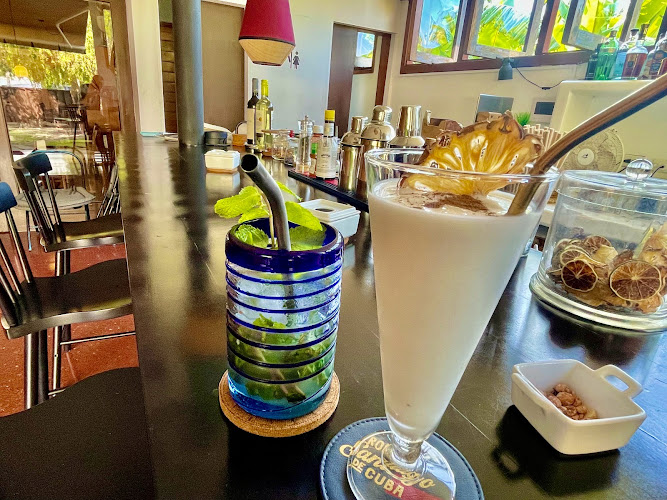
Wander the restored plazas and cobbled lanes of UNESCO-listed Old Havana (Habana Vieja), stroll the seaside Malecon esplanade at sunset, and admire Cuban masters at the Museo Nacional de Bellas Artes. Sip a mojito in a classic bar, tour a cigar factory, and ride a colorful classic convertible along the waterfront.
The best time to visit is the dry season from November to April, with warm, sunny weather, though December to March is the busiest and priciest; May is a quieter sweet spot. Avoid the May-to-October wet season, when hurricanes are most likely in August and September. Three to four days covers the city, with day trips to Vinales nearby.
Affiliate placeholder: Compare accommodation options after checking the official property details, location, and cancellation terms.
Affiliate placeholder: Check current activity availability, meeting points, accessibility, and cancellation terms before reserving.
Sources and current planning links
Explore more destinations.ai travel guides when building a longer route.
How to plan a Havana visit
Havana is best planned as several connected neighborhoods rather than one attraction loop: give Old Havana its own walking time, then use Vedado, Centro Habana, the Malecón, and a carefully chosen cultural or waterfront stop to broaden the picture. The city rewards attention to architecture, music, conversation, and ordinary street life, but practical conditions can change quickly. Confirm current entry, transport, payment, health, and official travel information before departure.
Cuba’s official tourism destination page describes Havana as a capital shaped by history, culture, monuments, music, and natural attractions, and notes that the city can be visited throughout the year. Use that source for current destination context, then verify opening arrangements and any travel-advisory details through the authorities relevant to your passport and trip.
What are the best things to do in Havana?
Begin with Old Havana’s plazas and historic streets, then add the Malecón, Vedado, a museum or music venue, and one experience that explains modern Cuban life. Plaza de Armas, Plaza Vieja, Plaza de la Catedral, and the surrounding lanes can fill a morning without a rigid route. Go slowly, notice the changing facades, and allow time to step inside a church, gallery, or café when it is open.
Old Havana is a UNESCO-listed historic area with an extraordinary concentration of architecture, but restoration is uneven and streets are active neighborhoods rather than a theme park. Wear comfortable shoes, keep valuables secure, and ask before photographing people. A local guide can add historical context; confirm what the fee includes, where the meeting point is, and whether the walk is suitable for your group.
The Malecón is a natural place for a late-afternoon walk when conditions are comfortable. Its mood changes with wind, waves, weather, and the people gathered along the seawall. Pair it with Vedado or Centro Habana rather than assuming you can cross the city quickly. Plaza de la Revolución, the Museo Nacional de Bellas Artes, and other cultural sites can give the trip more substance, but check current hours and entrance arrangements before setting out.
Music is part of Havana’s identity, from small performances to formal venues and neighborhood spaces. Choose an experience that explains the start time, cover, seating, transport, and photography expectations. A classic-car ride can be visually memorable, but confirm the route, duration, price, and vehicle condition before agreeing. The best experience is one where the terms are clear and local people are treated as more than scenery.
Leave space for the city’s quieter details: a bookshop, a courtyard, a neighborhood bakery, a public square, or a conversation with a host. Ask permission before entering private spaces and support businesses directly when you can. Havana’s most photographed views are only one layer of the destination; a useful guide should also help visitors move respectfully through lived-in communities.
Where should you stay in Havana?
Choose Old Havana for immediate access to historic plazas, Vedado for a more spacious base with restaurants and cultural venues, or another neighborhood only after checking its exact address, transport, and current services. Havana’s atmosphere can change block by block. The best base is the one that matches your evening plans and gives you a reliable way back after a late event.
Before booking a hotel, guesthouse, or private rental, ask about air conditioning, water, electricity, internet, breakfast, luggage storage, payment methods, stairs, and the current cancellation policy. Save the address in Spanish and offline. If you need medication, dietary support, or accessible facilities, confirm details directly rather than relying on a generic listing.
What should you eat in Havana?
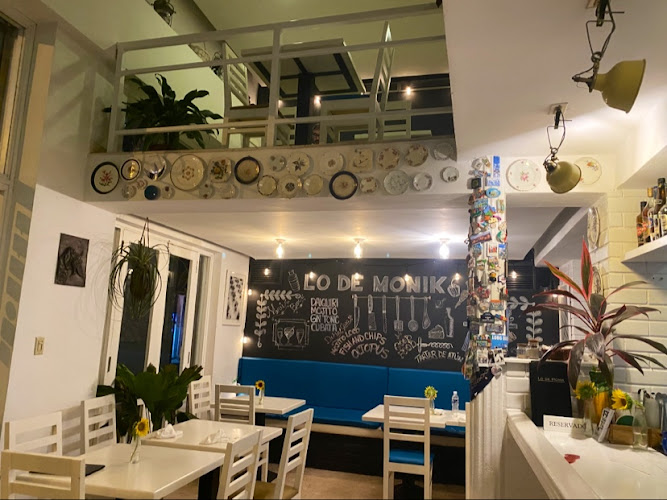
Eat in Havana for Cuban home-style cooking, rice and beans, roast pork, seafood, sandwiches, fruit, coffee, and restaurants that pair food with music or a historic setting. Menus, ingredients, and availability can vary, so ask what is being served that day. A paladar or family-run restaurant may offer a more personal meal, but reserve or confirm hours when the venue is important to your plan.
Keep arrival-day meals simple and close to your accommodation. Tell staff about allergies and check how food and drinking water are handled. Carry a backup payment and snack plan appropriate to your trip, and do not assume that a card, app, or familiar delivery service will work exactly as it does at home. Current official and local guidance should shape the details.
What is the best time to visit Havana?
Havana is warm much of the year, while the cooler and generally drier months can be comfortable for long walks; humidity, rain, and tropical-weather risk still make a flexible plan essential. Check the current forecast and official weather guidance before scheduling a full day outdoors. The most enjoyable season depends on whether you value heat, events, lower demand, or a particular cultural program.
Plan outdoor walks early or late in the day, carry water and sun protection, and reserve an indoor museum or music venue as a midday option. Festivals and major events can change accommodation demand and road conditions. Verify dates directly rather than treating a recurring event as guaranteed, and keep the final day close to your departure point.
How do you get around Havana?
Walk within compact historic areas, use a clearly arranged taxi or transfer for longer journeys, and confirm the fare, route, currency, waiting time, and return plan before setting out. Havana’s neighborhoods are close enough to look walkable and far enough apart for heat, traffic, and uneven sidewalks to matter. A planned transfer is often easier for luggage, families, or evening events.
Classic cars, local taxis, buses, and private drivers each create different trade-offs. Ask who operates the service, what is included, and how you will contact the driver if plans change. Keep the address of your accommodation and important contacts offline, avoid displaying valuables, and use current official travel advice when making safety decisions.
Is Havana good for families and accessible travel?
Families can enjoy Havana through short neighborhood walks, plazas, music, museums, and relaxed meals, but the heat, pavement, traffic, and changing services require more preparation than a resort itinerary. Keep days short, schedule shade and food breaks, and choose accommodation with the practical facilities your group actually needs.
Accessibility varies widely across old buildings, sidewalks, cars, hotels, and cultural venues. Ask about steps, ramps, lifts, bathrooms, vehicle access, and seating before booking. A private guide or driver may make a complicated day manageable, but confirm the arrangement and cost in advance. Respectful pacing is useful for every traveler in Havana, not only families.
A practical three-day Havana itinerary
Three days can introduce Havana’s historic core, waterfront, neighborhoods, food, and music without pretending to cover every museum or suburb. Keep the first and last day lighter and confirm time-sensitive arrangements.
- Day one: Walk Old Havana’s main plazas, pause for lunch, and choose one current museum or guided experience before an early evening in the neighborhood.
- Day two: Explore Vedado or Centro Habana, visit a confirmed cultural venue, and walk the Malecón when the weather and light are comfortable.
- Day three: Choose a music, food, art, or short coastal experience, keeping the route close to your accommodation and departure arrangements.
What day trips work from Havana?
Viñales, nearby beaches, and other Cuban experiences can extend a Havana trip, but the right choice depends on current road conditions, transport reliability, weather, and how much time you can give the return journey. Do not tie a long excursion to an early flight or a nonrefundable evening commitment. Confirm pickup, meals, entry, and return terms before paying.
Havana is a city to visit with curiosity and humility. Use current official information, keep your itinerary flexible, spend directly with local people and businesses, and allow the city’s history to be more than a backdrop for photographs.
For a longer regional route, compare Miami, Florida, San Juan, Puerto Rico, Cartagena, Colombia with this destination before finalizing your itinerary.
Frequently asked questions
What is Havana, Cuba best known for?
Havana, the capital of Cuba, is a vibrant, time-warped city of crumbling Baroque grandeur, vintage American cars, and live music spilling from every corner.
When is the best time to visit Havana?
The best time to visit is the dry season from November to April, with warm, sunny weather, though December to March is the busiest and priciest; May is a quieter sweet spot.
How many days should you spend in Havana?
Plan about 3 days for a first visit, then add time if you want to explore beyond the central sights.
How should you get around Havana?
Confirm current entry, transport, payment, health, and official travel information before departure.
What should you book ahead in Havana?
Leave space for the city’s quieter details: a bookshop, a courtyard, a neighborhood bakery, a public square, or a conversation with a host.
Explore Havana by Category: Discover top curated spots across Havana Attractions & Sightseeing, Best Places to Stay in Havana, Havana Restaurants & Dining.