
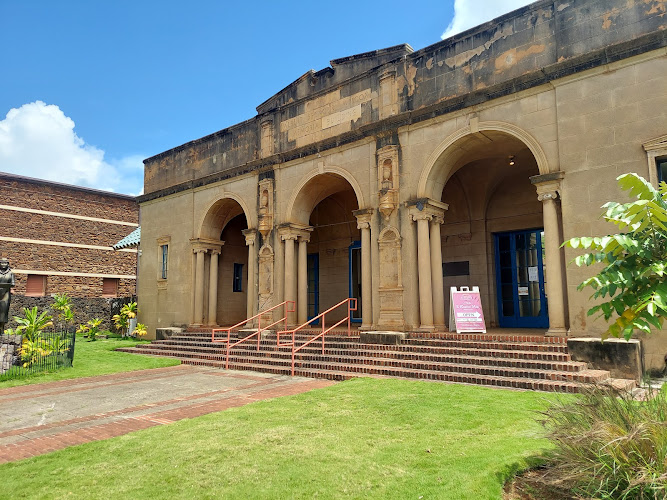
Kauaʻi Museum is a regional history museum and cultural center at 4428 Rice Street in downtown Līhuʻe, Hawaiʻi. Opened in 1960, it preserves the histories of Kauaʻi and Niʻihau through Native Hawaiian cultural objects, royal histories, plantation-era material, and island art. Its campus includes the 1924 Albert Spencer Wilcox Building, originally a public library. Come for the context behind the island’s landscapes: Hawaiian governance, maritime encounters, sugar cultivation, and the communities that shaped modern Kauaʻi.
What to Expect at Kauaʻi Museum
The historical collections connect everyday objects with major political changes. Look for Hawaiian implements associated with food preparation, fishing, and domestic life, alongside material relating to Kauaʻi’s aliʻi, or chiefly families. King Kaumualiʻi is an important figure to understand here: Kauaʻi retained its independence longer than the other principal Hawaiian islands before his 1810 agreement with Kamehameha I. The museum also interprets Niʻihau, whose distinctive shell-working traditions belong to a living island community rather than a vanished culture.
Another compelling thread is Haʻaheo o Hawaiʻi, the royal yacht that sank in Hanalei Bay in 1824. Recovered objects illuminate the Hawaiian monarchy’s maritime world. Plantation history broadens the story to sugar production and immigrant labor, helping explain the island’s multicultural communities. Outside, pause at the Wilcox Building’s classical entrance and substantial lava-rock walls. Begin with the historical displays, then explore changing presentations and the museum shop. Ask the desk about docent-led interpretation and any scheduled cultural demonstrations before setting your route.
- Hawaiian material culture: Tools and household objects reveal practical skills, resources, and everyday island life.
- Kaumualiʻi’s Kauaʻi: Royal history explains the island’s distinctive relationship with the emerging Hawaiian kingdom.
- Royal yacht artifacts: The Hanalei shipwreck connects Kauaʻi with nineteenth-century seafaring and chiefly exchange.
- Plantation histories: Displays trace sugar’s influence on work, migration, and the development of local communities.
- Historic architecture and shop: Explore the former library building, then browse Hawaiian books, gifts, and locally rooted craft.
Kauaʻi Museum at a Glance
| Detail | Information |
|---|---|
| Address | 4428 Rice Street, Līhuʻe, HI 96766, United States |
| Neighborhood / Area | Downtown Līhuʻe, near the county civic center |
| Operating Hours | Monday–Friday, 9 a.m.–4 p.m.; Saturday, 9 a.m.–2 p.m.; Sunday closed |
| Admission / Price Range | Paid admission; $$ sightseeing budget. Check the official website for current ticket categories and rates. |
| Recommended Visit Duration | 1.5 to 2 hours |
| Nearest Transit / Parking | Kauaʻi Bus Route 70, Līhuʻe Shuttle, for the civic-center area; limited museum parking |
| Official Website & Phone | Kauaʻi Museum; +1 808-245-6931 |
Visiting Tips, Getting There & Nearby Pairings
Arrive around the 9 a.m. opening for an unhurried chronological visit, especially on Saturdays when closing comes earlier. Check the official museum website for holiday changes, programs, admission, and group arrangements. Ask whether a guided visit is available before exploring independently. At reception, establish the photography rules for individual displays and whether backpacks need to be stored; permission can differ for cultural objects and temporary exhibitions. Keep food and drinks outside the galleries, and allow extra time if a demonstration is running.
Drivers should use designated museum parking rather than neighboring business spaces. Bus travelers can use the Līhuʻe civic-center area and walk to Rice Street; check Route 70 connections through the county’s official portal. The historic campus includes stairs and changes of level: wheelchair and stroller users should ask staff to identify the step-free entrance and accessible gallery route before starting. Afterward, walk about five minutes to the Historic County Building and its lawn, or continue roughly 10–15 minutes to Rice Shopping Center for a casual meal.
Frequently Asked Questions
What are Kauaʻi Museum’s hours and the best time to visit?
Regular hours are Monday–Friday, 9 a.m.–4 p.m., and Saturday, 9 a.m.–2 p.m.; Sunday is closed. A morning arrival gives you time to read the historical displays without watching the clock, particularly on Saturdays.
Is admission free, and should I reserve?
Admission is paid; consult the official website for current adult, child, and concession categories. Contact the museum ahead for school groups, organized tours, or cultural programs rather than assuming those activities accompany every admission.
How long should I spend at the museum?
Budget 1.5 to 2 hours for the historical collections, architecture, and shop. Visitors particularly interested in Hawaiian sovereignty, maritime archaeology, or plantation communities should leave additional time for labels and conversations with museum staff.
Is Kauaʻi Museum suitable for children and visitors with mobility needs?
School-age children can connect with the tools, ships, and stories of island life, although much of the experience involves looking and reading. Historic-building level changes require route planning; call ahead about wheelchair access to specific galleries and bring a compact stroller.
When planning your Hawaii travel guide or comparing verified attractions and museums in Hawaii, pair this stop with standout local spots including Hulihe‘e Palace, Hawaii's Plantation Village, Ala Moana Center, and Grove Farm (1.1 km away).


