Nhà cổ Quân Thắng is a late-17th-century merchant residence at 77 Trần Phú, Phường Minh An, in Hội An’s UNESCO-listed Old Town, Quảng Nam. Built as a combined shopfront and family home, it draws travelers for its deep, narrow plan, Kim Bồng woodcarving, and richly ornamented interiors that reveal how trading families lived along this historic port’s commercial streets.
What to Expect at Nhà cổ Quân Thắng
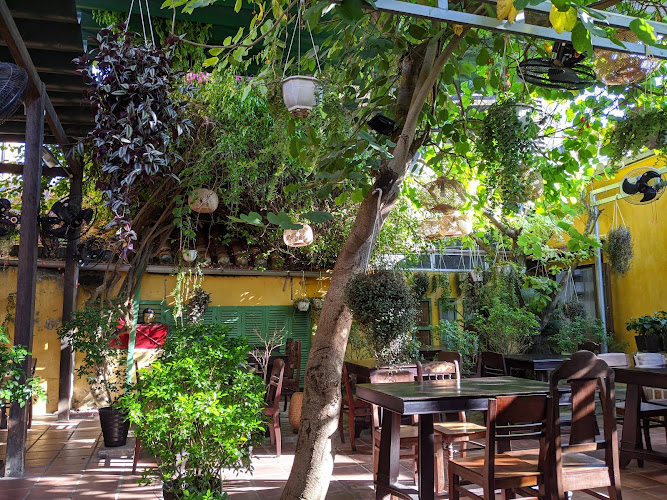
Set behind a narrow Trần Phú façade, Quân Thắng is a one-storey “through house” extending almost 300 square metres toward a second access point. Its three-part arrangement moves from the formal front reception and trading area through an open-air courtyard to the rear kitchen and service spaces. That sequence brought daylight and ventilation into a dense urban plot while separating business, ancestor worship, family life, and cooking.
The defining details are the dark timber frame and elaborate carved decoration, traditionally attributed to artisans from Kim Bồng carpentry village across the Thu Bồn waterways. Look closely at the lacquered-and-gilt altar fittings, carved beams, doors, screens, and ceiling elements: floral, fruit, animal, and auspicious motifs signal both skilled craftsmanship and the prosperity of a mercantile household. This is a lived-in historic house rather than a conventional museum with labeled galleries, so a slow circuit and careful observation reward more than a quick doorway photo. Ask the house attendant before photographing interiors or religious objects.
- Trần Phú shopfront: The slim street-facing frontage reflects Hội An’s long-established commercial-house typology.
- Three-part plan: Follow the progression from reception room to central courtyard and rear kitchen.
- Kim Bồng carving: Inspect the finely worked timber doors, rafters, panels, and decorative screens.
- Ancestor altar: Gilded and lacquered furnishings retain the ceremonial focus of the family interior.
- Merchant-house scale: The deep 300-square-metre layout makes the constraints and ingenuity of Old Town urban life tangible.
Nhà cổ Quân Thắng at a Glance
| Detail | Information |
|---|---|
| Address | 77 Trần Phú, Phường Minh An, Hội An, Quảng Nam, Viet Nam |
| Neighborhood / Area | Minh An, within Hội An Ancient Town |
| Operating Hours | Daily, 9:30am–6pm |
| Admission / Price Range | Paid Old Town heritage-ticket attraction; $ price level. Confirm current ticket rules through the Hội An World Heritage portal. |
| Recommended Visit Duration | 30 to 45 minutes |
| Nearest Transit / Parking | Walk or cycle within the pedestrian core; taxi and Grab drop-offs are best made at Old Town perimeter streets. Use public parking outside the restricted central lanes. |
| Official Website & Phone | Hội An World Heritage; no dedicated public telephone is listed for the house. |
Visiting Tips, Getting There & Nearby Pairings
Arrive near the 9:30am opening for the clearest look at the carvings before midday foot traffic builds on Trần Phú. The house works especially well as one stop on a self-guided Old Town walk: begin here, continue east to Hội Quán Phước Kiến (Fujian Assembly Hall), then head south to Hội An Market and the Thu Bồn riverfront. The Japanese Covered Bridge is roughly a 10-minute walk northwest along the Old Town streets. Heritage-ticket arrangements can change, so buy or validate access at an official Old Town ticket point before entering.
Motorized traffic is restricted on many central Old Town streets at designated times, making walking the most reliable approach. The historic layout is not designed as a modern accessible attraction: expect narrow circulation, raised wooden thresholds, uneven surfaces, and closely arranged furnishings. There is no elevator in this single-storey heritage house, and wheelchair users should ask at arrival whether the front room can be viewed comfortably. Families can visit with children, but keep hands away from fragile carved wood and altar objects; there is no café or museum shop inside, while dining options on Trần Phú and nearby Nguyễn Thái Học are only a few minutes away.
Frequently Asked Questions
What are the hours, and when is the best time to visit?
Nhà cổ Quân Thắng is open daily from 9:30am to 6pm. Visit at opening or later in the afternoon for a quieter experience and softer light in the central courtyard; the surrounding Old Town is busiest from late morning through early evening.
Do I need a separate ticket for Nhà cổ Quân Thắng?
Access is handled through Hội An Ancient Town’s paid heritage-ticket system rather than as a standalone museum admission. Check the current eligible-sight list, price, and ticket collection rules through the official Hội An World Heritage portal, as policies may change.
How long should I allow for the house?
Allow 30 to 45 minutes for the interior, courtyard, and close study of the carved timberwork. Combine it with Fujian Assembly Hall, Hội An Market, and a riverside walk for a compact two-to-three-hour Old Town circuit.
Is Nhà cổ Quân Thắng suitable for wheelchairs and children?
Children interested in architecture and history will find the house rewarding with close supervision. Accessibility is limited by original thresholds, tight interior passages, and heritage surfaces; visitors using wheelchairs or with reduced mobility should seek assistance at the entrance and plan for partial viewing if needed.
When planning your Hoi An travel guide or browsing verified attractions in Hoi An, pair this stop with standout local spots including Hoi An Riverside Restaurant, Sa Huynh Cultural Museum, RiverTown Hoi An Resort & Spa, and Phố Đi Bộ Hội An (nearby).