
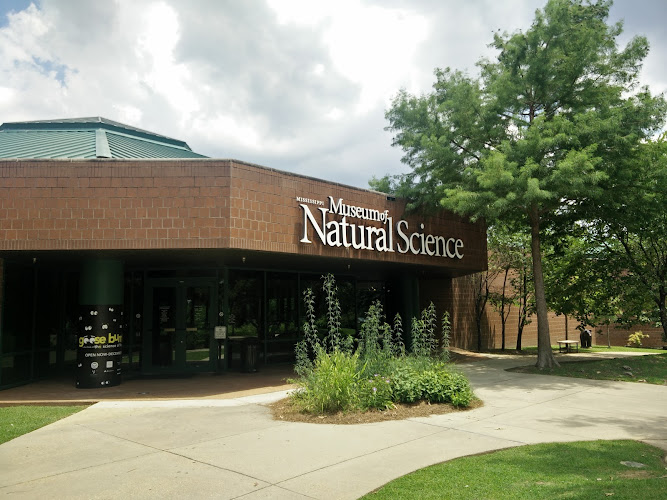
Mississippi Museum of Natural Science is a state natural-history museum at 2148 Riverside Drive, Jackson, Mississippi, United States of America, inside LeFleur’s Bluff State Park in the LeFleur East area. Founded in 1933 under naturalist Francis A. Cook, it explores Mississippi’s wildlife, habitats, and prehistoric past. Travelers come for its extensive native-fish aquariums, fossil displays, living swamp exhibit, and woodland trails—a combination that makes this substantially more than an indoor museum stop.
What to Expect at Mississippi Museum of Natural Science
The museum’s approximately 73,000-square-foot building opened in 2000, giving its collections a setting beside the Pearl River landscape. Large windows connect the galleries visually with the surrounding woods and water. Inside, the 100,000-gallon aquarium system introduces Mississippi’s aquatic environments through native fish and other animals. Look beyond the biggest fish: comparing body shapes, camouflage, and feeding adaptations makes these displays especially rewarding for school-age children. Fossil exhibits shift the story from living ecosystems to ancient Mississippi, including marine environments and the giant ground sloth.
The Swamp, a roughly 1,700-square-foot greenhouse exhibit, recreates a wetland environment with living plants and animals. It complements the aquarium by showing how water, vegetation, and wildlife interact above the surface. Younger visitors have the Discovery Room, designed for preschool exploration, while changing exhibitions give returning families something different to investigate. Outside, approximately 2.5 miles of nature trails extend the visit into wooded habitats. Treat these as a separate outdoor excursion rather than simply another gallery: summer heat, wet ground, and mosquitoes can change the experience considerably.
- Native aquatic life: A 100,000-gallon aquarium system focuses attention on Mississippi’s freshwater wildlife.
- The Swamp: A greenhouse wetland brings living vegetation and animal habitats into the museum experience.
- Prehistoric Mississippi: Fossils, including a giant ground sloth display, reveal environments very different from today’s.
- Discovery Room: Preschool-oriented activities give younger children a more hands-on introduction to natural science.
- Woodland trails: Approximately 2.5 miles of paths connect the building’s lessons with outdoor observation.
Mississippi Museum of Natural Science at a Glance
| Detail | Information |
|---|---|
| Address | 2148 Riverside Drive, Jackson, MS 39202, United States of America |
| Neighborhood / Area | LeFleur East; within LeFleur’s Bluff State Park |
| Operating Hours | Monday–Friday, 8 a.m.–5 p.m.; Saturday, 9 a.m.–5 p.m.; Sunday, 1–5 p.m. Check holiday arrangements before traveling. |
| Admission & Ticket Prices | Paid admission; consult the official museum website for current rates and special-event charges. |
| Recommended Visit Duration | 2–3 hours; longer with trails or an adjacent attraction |
| Nearest Transit / Parking | On-site visitor parking reached from Riverside Drive; driving or a taxi is the simplest arrival option. |
| Official Website / Phone | Mississippi Museum of Natural Science; +1 601-576-6000 |
Visiting Tips, Getting There & Nearby Pairings
Arrive near opening for the fullest choice of indoor and outdoor activities, particularly during hot weather. School groups can make weekday galleries lively, so visitors seeking a quieter circuit may prefer later afternoon while allowing enough time before closing. Check the official calendar before buying tickets: special programs and evening events can have separate arrangements. For ordinary sightseeing, build the day around the permanent galleries rather than assuming a particular animal presentation will run. Bring water and closed-toe shoes if you intend to walk the trails.
Use the museum’s Riverside Drive entrance and visitor parking rather than navigating to another entrance of the larger state park. The museum building is wheelchair accessible, and its indoor galleries are the straightforward choice for wheelchair and stroller users; outdoor trail surfaces require more individual assessment, especially after rain. For a two-stop family outing, the Mississippi Children’s Museum and LeFleur’s Bluff Playground are nearby, approximately a 5–15-minute walk depending on the route and walking pace. Allow additional crossing and stroller time, and save the playground for cooler conditions.
Frequently Asked Questions
What are the hours, and when should I visit?
Regular hours are weekdays 8 a.m.–5 p.m., Saturday 9 a.m.–5 p.m., and Sunday 1–5 p.m. Morning is best for combining galleries with trails before afternoon heat; check holiday hours separately.
Is admission free, and do I need reservations?
Admission is paid. Check the official website for current ticket categories and booking options. Contact the museum ahead of school-group visits or special programs, which may have different registration requirements.
How much time should I budget?
Allow two to three hours for the aquarium, fossils, greenhouse, and a short outdoor walk. Choose a half-day if your group likes reading exhibits or plans a longer trail outing.
Is it suitable for young children and wheelchair users?
Yes. The Discovery Room targets younger children, and the building accommodates wheelchair access. Keep outdoor plans flexible: woodland trails are not equivalent to the indoor gallery routes, particularly in wet weather.
When planning your Jackson travel guide or comparing verified attractions and museums in Jackson, pair this stop with standout local spots including The Lodge at Jackson Hole, Mississippi Museum of Art, Old Capitol Museum, and Eudora Welty House & Garden (1.5 km away).


