Nishijin Textile Center (西陣織会館, Nishijin-ori Kaikan) is the public showcase of the Nishijin Textile Industrial Association, located at 414 Tatemonzencho on Horikawa-dori, just south of Imadegawa-dori in Kyoto‘s Kamigyo Ward. It sits in the heart of the Nishijin district, the weaving quarter whose silk brocade tradition stretches back to the Heian court workshops and the Hata clan’s sericulture. Travelers come to watch hand looms in motion, see a kimono fashion show, try on a kimono, and buy obi, neckties, bags, and woven accessories directly from the home of Nishijin-ori.
What to Expect at Nishijin Textile Center
The building is organized around the verbs on the association’s own site: see, learn, wear, experience, and buy. On the viewing side, weavers work at traditional looms in the demonstration area, and visitors can follow the process by which patterned silk and gold-thread brocade is produced strand by strand. Nishijin-ori is not one cloth but a family of specialized weaves, and the displays make clear why a single obi can take weeks to complete. The history behind the craft is substantial: the association traces the origins to Hata-clan immigrants who brought silk-raising and weaving to the Uzumasa area in the fifth and sixth centuries, followed by the imperial Oribe-no-tsukasa workshops of the Heian period, where court weavers produced aya and nishiki.
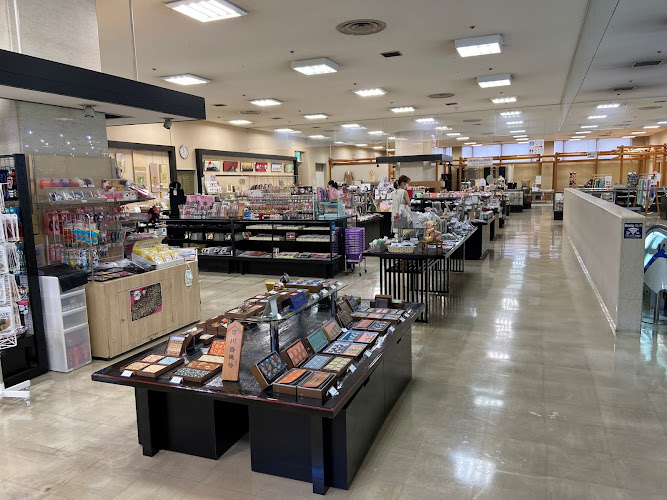
Beyond watching, the center is a working retail floor. Kimono, obi, scarves, ties, pouches, and woven artwork are sold here, with pieces ranging from affordable souvenirs to full formal textiles. The association also runs a seasonal archive room, the Nishijin-ori Shiryoshitsu, with collection exhibitions drawn from its holdings.
- Live loom demonstrations: Weavers operate traditional looms on site, letting visitors watch brocade patterns emerge in silk and metallic thread.
- Kimono shows: Scheduled presentations display Nishijin-ori obi and kimono, a fast way to see the fabrics in motion rather than behind glass.
- Kimono dress-up: Visitors can wear a kimono and have photos taken; check the official site for current booking details and fees.
- Shopping floor: Obi, kimono, neckties, bags, wallets, and decorative textiles, plus smaller giftable items for travelers on a budget.
- Archive exhibitions: The Shiryoshitsu runs rotating collection shows, including the exhibition Nishijin-ori: Reflecting on the Kan’ei Imperial Visit, scheduled 3 November 2026 to 28 March 2027, 10am to 4pm, closed Mondays.
Nishijin Textile Center at a Glance
| Detail | Information |
|---|---|
| Address | 414 Tatemonzencho, Horikawa-dori Imadegawa-minami-iru, Kamigyo Ward, Kyoto 602-8216, Japan |
| Neighborhood / Area | Nishijin, Kamigyo Ward, near Imadegawa-dori and Horikawa-dori |
| Operating Hours | Tuesday to Sunday, 10am to 4pm; closed Mondays |
| Admission / Price Range | Building access and viewing areas are generally free; shopping prices and kimono dress-up are separate. Price tier: $$ (confirm current fees on the official site) |
| Recommended Visit Duration | 1 to 2 hours, longer with a kimono experience |
| Nearest Transit / Parking | Short walk from the Horikawa Imadegawa bus stop on Kyoto City Bus routes along Horikawa-dori; limited parking, so public transit is advised |
| Official Website & Phone | nishijin.or.jp | +81 75-451-9231 |
Visiting Tips, Getting There & Nearby Pairings
Hours are short, 10am to 4pm, so plan to arrive by late morning to catch both the weaving demonstrations and a kimono show before closing. Mondays are closed, with the following Tuesday substituted if Monday is a public holiday. Kyoto City Bus services along Horikawa-dori stop at Horikawa Imadegawa, a few steps from the entrance; the center is also reachable on foot from the Imadegawa area. The retail floors are on a conventional building layout, so strollers and wheelchair users should confirm elevator access with staff, and kimono dress-up generally requires time and some physical comfort changing in a fitting room.
The surrounding Nishijin district rewards a slow walk: small machiya weaving workshops, dyers, and obi makers still operate on the side streets, and the association hosts seasonal events such as the Tanabata festival in early summer and the Sen-ryo-ga-tsuji cultural festival on 23 September 2026. From the center, the Kamigamo and Kitano areas and the Imperial Palace grounds are within a short bus or taxi ride, making this an easy pairing for a half-day of Kyoto craft and heritage.
Frequently Asked Questions
What are the opening hours and best time to visit?
The center is open Tuesday to Sunday from 10am to 4pm and closed on Mondays. Arriving in the late morning lets you see loom demonstrations and a kimono show on the same visit, and weekday mornings are typically calmer than weekend afternoons.
How much does it cost and do I need to book?
Browsing the building and watching weaving demonstrations is generally free, while purchases and the kimono dress-up experience are charged separately. Kimono experiences are booked through the official site, so reserve ahead during busy seasons like cherry blossom and autumn foliage.
How long should I allow for a visit?
Allow one to two hours for the viewing area, a kimono show, and shopping. If you add a kimono dress-up session or the archive exhibition, budget closer to two and a half hours.
Is it suitable for families and are there accessibility considerations?
Yes, the demonstrations and shows suit visitors of all ages and no formal dress code applies. Wheelchair and stroller users should check elevator and floor access with staff before visiting, and the kimono fitting process involves some standing and movement.
When planning your Kyoto travel guide or comparing verified attractions and shopping in Kyoto, pair this stop with standout local spots including Park Hyatt Kyoto, Kyoto Museum of Crafts and Design, Gallery of Kyoto Traditional Arts & Crafts, and Raku Museum (0.4 km away).