Las Vegas Natural History Museum, now presenting itself as the Las Vegas Science & Natural History Museum, is a family-focused science and natural-history museum at 900 Las Vegas Blvd N in Las Vegas’s Cultural Corridor, just north of downtown in Nevada, United States of America. Founded in 1991 by a citizens’ group, the museum brings dinosaurs, ancient civilizations, Nevada environments and animal life together in an approachable indoor setting. Travelers come for its animatronic prehistoric scenes, Egyptian tomb recreation, wildlife dioramas and hands-on learning beyond the Strip.
What to Expect at Las Vegas Natural History Museum
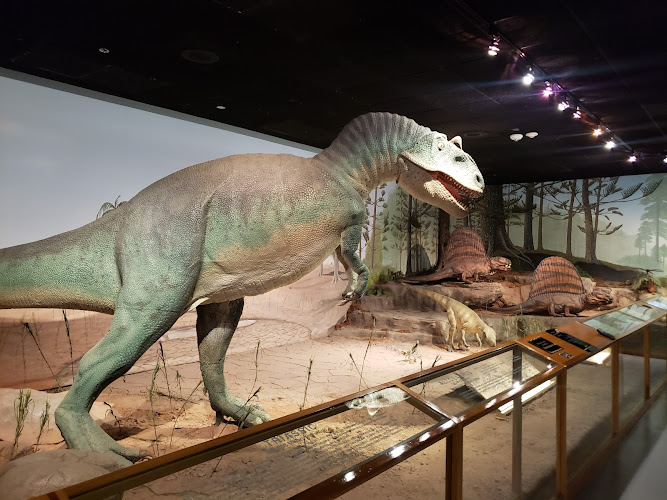
The Prehistoric Life Gallery is the natural starting point. Fossil casts and skeletal displays lead into a dramatic dinosaur environment where an animatronic Tyrannosaurus rex provides the big visual moment for younger visitors. The museum also interprets the region’s deep past through its prehistoric Nevada material and supports paleontology and archaeology research in its on-site lab, connecting gallery subjects with active scientific work.
Elsewhere, the experience shifts from desert ecology to global natural history. Walk through Wild Nevada displays, then see the African savanna and rainforest galleries, which use animal specimens and dioramas to frame distinct habitats. The marine section features shark and whale displays, while the Egyptian gallery includes a recreation of King Tutankhamun’s tomb. Interactive elements and education programs are designed for children, but the museum’s compact sequence of galleries also works well for adults seeking a focused alternative to Las Vegas’s large entertainment attractions.
- Prehistoric Life Gallery: Dinosaur skeletons, fossil casts and a roaring animatronic T. rex set the tone.
- Ancient Egypt: Enter a recreation of King Tut’s tomb and examine artifacts and interpretation centered on Egyptian culture.
- Wild Nevada: Explore displays devoted to the state’s animals and natural environments.
- Marine Life Gallery: Shark and whale displays introduce ocean ecosystems inside the desert city.
- Research lab: The museum’s lab is tied to paleontology and archaeology research as well as science education.
Las Vegas Natural History Museum at a Glance
| Detail | Information |
|---|---|
| Address | 900 Las Vegas Blvd N, Las Vegas, NV 89101 |
| Neighborhood / Area | Cultural Corridor, north of downtown Las Vegas |
| Operating Hours | Daily, 9 a.m. to 4 p.m.; verify holiday hours before travel. |
| Admission & Ticket Prices | Paid admission. Rates and online ticket options are listed on the official museum website. |
| Recommended Visit Duration | About 2 to 3 hours |
| Nearest Transit / Parking | RTC Route 113 runs along Las Vegas Boulevard; on-site parking is available. |
| Official Website / Phone | lvnhm.org / (702) 384-3466 |
Visiting Tips, Getting There & Nearby Pairings
Arrive near opening, especially on weekends, school breaks and rainy or extremely hot days, when families often favor indoor attractions. Weekday afternoons can be calmer after school groups depart. Buy admission through the museum’s official channels or check current same-day availability before setting out; the museum’s hours and ticket categories can change. With galleries close together, two hours covers highlights, while three allows time for children to linger at interactive stations and for adults to read the interpretive displays.
Drivers can use the museum’s on-site parking. Without a car, use RTC Route 113 on Las Vegas Boulevard and allow a short walk from the nearest stop. The primary galleries occupy a ground-level, single-story museum layout, making the main exhibit route practical for wheelchairs and strollers; call ahead about any current accommodation needs or program-specific access. Pair the visit with The Neon Museum, roughly a five-minute walk south, or the Old Las Vegas Mormon Fort State Historic Park, about 10 minutes away on foot. Fremont East’s restaurants and Downtown’s dining options are within roughly 15 minutes’ walk.
Frequently Asked Questions
What are the museum’s hours and best time to visit?
The museum is generally open daily from 9 a.m. to 4 p.m. Arrive close to 9 a.m. for the quietest start, particularly on weekends and during Clark County school holidays. Confirm holiday schedules directly with the museum before visiting.
How much are tickets, and do I need reservations?
Admission is paid, with current ticket categories and prices published by the museum. Advance purchase is sensible for weekends, school breaks and group visits, though travelers should check the official website for the current reservation process and availability.
How long should I budget for Las Vegas Natural History Museum?
Plan for 2 to 3 hours. A quicker visit can concentrate on dinosaurs, ancient Egypt and marine life, while families usually need longer for interactive displays, habitat galleries and any scheduled educational programming.
Is the museum suitable for families and wheelchair users?
Yes. Dinosaur scenes, animal galleries and hands-on science activities are aimed squarely at families, while the ground-level main gallery route is suitable for wheelchairs and strollers. Contact the museum before arrival for specific accessibility arrangements.
When planning your Las Vegas travel guide or comparing verified attractions and museums in Las Vegas, pair this stop with standout local spots including Wing Lei, Courtyard By Marriott Las Vegas Stadium Area, The Palazzo at The Venetian Resort, and The Neon Museum Las Vegas (0.3 km away).