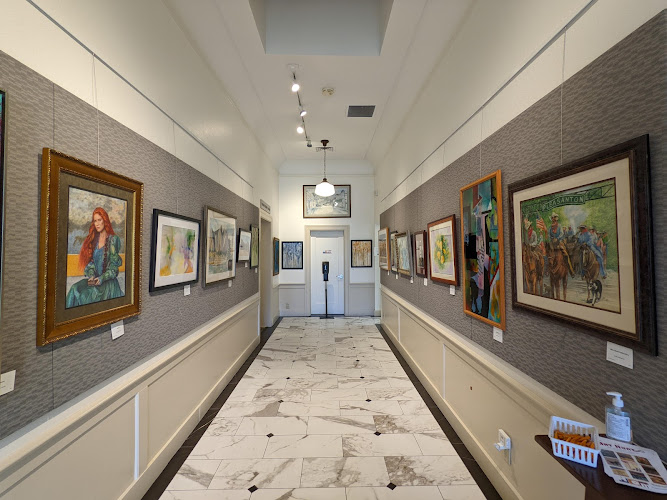
San Joaquin County Historical Museum is an 18-acre indoor and outdoor history campus located at 11793 Micke Grove Road inside Micke Grove Regional Park in Lodi, California. Operated by the San Joaquin County Historical Society (founded in 1954, with the museum opening to the public in 1966), the institution preserves the cultural, agricultural, and industrial heritage of California’s northern Central Valley. Visitors walk through eight exhibition buildings, four historic structures, native plant habitats, and massive machinery halls that chronicle the region’s evolution from the indigenous Plains Miwok and Northern Valley Yokuts peoples to the Spanish ranchos, Stockton founder Captain Charles M. Weber, and the invention of mechanized farming equipment.
What to Expect at San Joaquin County Historical Museum
Exploring the San Joaquin County Historical Museum combines traditional climate-controlled museum galleries with an expansive open-air agricultural village shaded by mature valley oaks. Inside the main exhibition buildings, chronological displays trace human life along the San Joaquin and Mokelumne rivers. Guests begin with finely woven Miwok and Yokuts basketry, stone mortar tools, and tule reed craftwork before moving into the 19th-century European settlement era. Detailed exhibits examine Captain Charles M. Weber, who acquired the Rancho Campo de los Franceses land grant and founded Stockton as a supply hub for the Southern Mines during the California Gold Rush, alongside the stories of the diverse immigrant communities who reclaimed the Sacramento-San Joaquin Delta islands and cultivated Lodi’s famous Flame Tokay and Zinfandel vineyards.
The outdoor grounds and agricultural pavilions focus on San Joaquin County’s reputation as a cradle of farm engineering. Massive exhibition barns house dozens of restored horse-drawn harvesters, steam engines, and early track-type tractors, most notably the Benjamin Holt Manufacturing Company innovations produced in Stockton that gave birth to the modern Caterpillar tractor. Visitors can also step inside preserved 19th-century structures relocated to or recreated on the property, including Charles Weber’s 1848 adobe-and-redwood cottage, the one-room 1866 Calaveras Schoolhouse, a working blacksmith shop, and the Sunshine Trail, a Living Collection of native California flora arranged into distinct Central Valley ecological zones.
- Holt Tractor and Agricultural Machinery Pavilions: Expansive indoor halls showcasing Stockton-built Benjamin Holt track-type tractors, combine harvesters, reclamation equipment, and early hand tools that revolutionized global farming.
- Charles M. Weber Historic Cottage (1848): The preserved home of Stockton’s founder, originally built on Weber Point and relocated to the museum grounds, furnished with mid-19th-century pioneer artifacts.
- Miwok and Yokuts Native Heritage Gallery: Permanent indoor exhibitions displaying intricate basketry, hunting implements, shell beads, and interpretive dioramas explaining indigenous life along the valley’s waterways.
- 1866 Calaveras Schoolhouse and Blacksmith Shop: Restored 19th-century structures where visitors can inspect period wooden school desks, vintage textbooks, and traditional iron-forging tools.
- Sunshine Trail and Native Plant Gardens: A winding botanical pathway across the 18-acre grounds featuring native valley oaks, redbuds, and California poppies that replicate the pre-agricultural San Joaquin Valley landscape.
San Joaquin County Historical Museum at a Glance
| Detail | Information |
|---|---|
| Address | 11793 Micke Grove Rd, Lodi, CA 95240 |
| Neighborhood / Area | Micke Grove Regional Park (South Lodi / North Stockton corridor) |
| Operating Hours | Thursday–Sunday: 10:00 AM – 4:00 PM; Monday–Wednesday: Closed (Administrative office open Mon–Fri 8:00 AM – 4:00 PM) |
| Admission / Price Range | Paid museum admission ($ tier) plus Micke Grove Regional Park vehicle entry fee; check official Visit page for current rates |
| Recommended Visit Duration | 1.5 to 2.5 hours |
| Nearest Transit / Parking | On-site parking inside Micke Grove Regional Park just off CA-99 (Exit 258 / Armstrong Rd) |
| Official Website & Phone | sanjoaquinhistory.org | +1 209-331-2055 |
Visiting Tips, Getting There & Nearby Pairings
To make the most of both the indoor galleries and the outdoor historic buildings, arrive between 10:00 AM and 11:00 AM on a Thursday or Friday morning, though occasional school field trips take place during the academic year and add lively demonstrations around the blacksmith shop and schoolhouse. Because the museum sits inside Micke Grove Regional Park between Lodi and Stockton, reaching the site is easiest by car via State Route 99; take the Armstrong Road exit and follow the brown park signs west to Micke Grove Road. Keep in mind that San Joaquin County Parks collects a separate per-vehicle park gate fee upon entering Micke Grove Regional Park in addition to the museum’s individual admission charge. If you visit in early December, look out for the museum’s signature annual fundraiser, the Festival of Trees, when the buildings and grounds are decorated with dozens of themed holiday trees.
The museum’s 18-acre campus is predominantly flat and stroller- and wheelchair-accessible, with paved walkways connecting the main exhibition halls, accessible restrooms, shaded picnic tables, and level entries into the tractor pavilions, while a few thresholds in the historic 19th-century structures have narrow doors or viewing ramps. Because you are already inside Micke Grove Regional Park, you can easily pair your visit with a two-minute walk to the adjacent Micke Grove Zoo, a five-acre zoo housing lemurs, snow leopards, and native birds, or the serene Micke Grove Japanese Garden, designed in 1965 by landscape architect Nagao Sakurai with koi ponds, a red arched bridge, and cherry blossom trees. Afterward, drive 10 minutes north into downtown Lodi or along the West Side wine trail to visit tasting rooms and farm-to-table cafes in the Lodi AVA.
Frequently Asked Questions
What are the opening hours for the San Joaquin County Historical Museum?
The museum’s exhibit buildings and outdoor grounds are open to the public Thursday through Sunday from 10:00 AM to 4:00 PM, and closed Monday through Wednesday. Administrative offices operate Monday through Friday from 8:00 AM to 4:00 PM. Morning arrivals right at 10:00 AM are ideal during the warmer summer months so you can tour the outdoor Sunshine Trail and historic buildings before afternoon temperatures rise.
Does the museum charge admission, and is there a parking fee?
Yes, the San Joaquin County Historical Museum charges a modest admission fee for adults, seniors, military personnel, and children, while members and young children under the age threshold enter free. Because the museum is located within Micke Grove Regional Park, visitors arriving by car also pay a small county park vehicle entry fee at the main park gate. Current ticket rates and special event fees are posted on the official museum website.
How much time should I budget for a visit?
Most visitors spend between 1.5 and 2.5 hours exploring the eight exhibition buildings, four historic structures, tractor halls, and outdoor botanical trails. If you plan to combine the museum with the neighboring Micke Grove Zoo, the Japanese Garden, and a picnic lunch under the oak trees, budget a full half-day of 3.5 to 4 hours.
Is the San Joaquin County Historical Museum accessible and good for families?
Yes, the museum is highly popular with families and school groups thanks to its life-sized vintage tractors, one-room 1866 schoolhouse, pioneer cabins, and wide-open outdoor walkways. The main exhibit halls, restrooms, and paved garden paths are wheelchair- and stroller-accessible, with plenty of shaded benches throughout the 18-acre property.
When planning your Lathrop travel guide or comparing verified attractions and museums in Lathrop, pair this stop with standout local spots including Museum on Main, The Blessed Kitchen, Clarence Smit Museum, and Haggin Museum (14.1 km away).