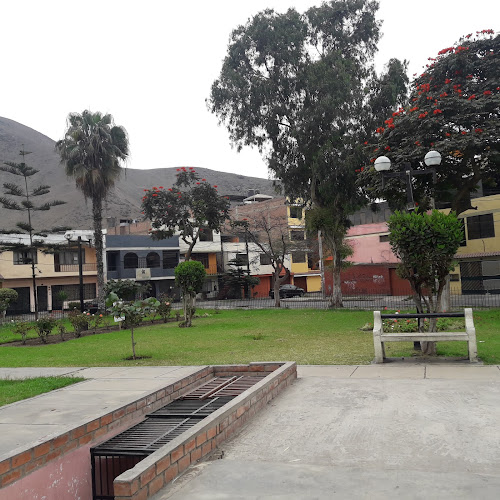
Place of Memory, Tolerance and Social Inclusion (LUM) is Peru’s national museum of memory at Bajada, Ca. San Martín 151, Miraflores 15074, Peru, built into the Costa Verde cliffs above the Pacific. Opened in 2015, it examines the 1980–2000 internal armed conflict involving the Peruvian state, Shining Path and MRTA insurgencies, while centering the experiences of victims, survivors and displaced communities. Travelers come for a serious, thoughtfully paced encounter with recent Peruvian history, contemporary art and one of Lima’s most distinctive public buildings.
What to Expect at Place of Memory, Tolerance and Social Inclusion (LUM)
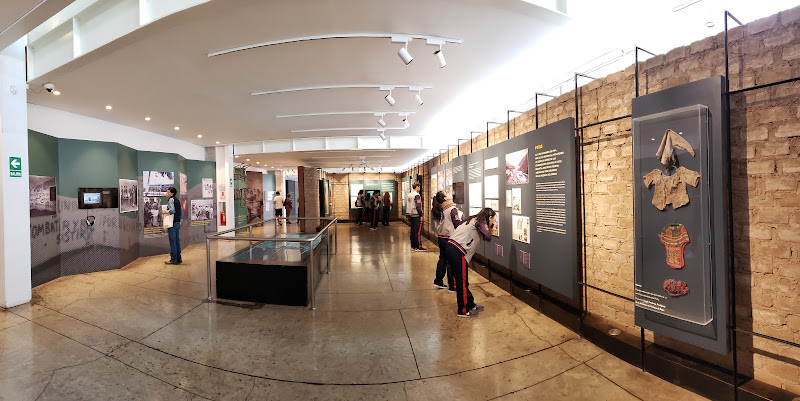
LUM’s permanent exhibition follows the conflict through photographs, documents, audiovisual testimony, victims’ belongings and artistic responses to violence, displacement and the search for justice. It confronts a period that remains intensely debated in Peru: the Truth and Reconciliation Commission estimated that nearly 70,000 people died or disappeared. Listening stations and recorded accounts bring voices from affected regions into the galleries, including testimony in Spanish and Quechua. Allow time to read rather than treating the museum as a quick overview.
The building is as memorable as the display. Designed by Sandra Barclay and Jean Pierre Crousse, its exposed-concrete volumes step down the cliff, using ramps, framed views and changes in light to slow the visit. The route moves between enclosed galleries and open-air pauses overlooking the coast. Alongside the permanent presentation, LUM rotates temporary projects and maintains a documentation center, reference room, virtual platform and educational programming. The current temporary exhibition Sobreviviendo en azul y tierra, by Erika Humala, runs in Sala Mamá Angélica through February 15, 2027.
- Permanent memory exhibition: Follow the human consequences of Peru’s 1980–2000 conflict through testimony, images, objects and archival material.
- Survivor voices: Hear and read first-person accounts that foreground victims and communities affected by political violence.
- Sala Mamá Angélica: Check the changing program of contemporary temporary exhibitions; Erika Humala’s Sobreviviendo en azul y tierra is on view until February 2027.
- Cliffside architecture: Walk the ramped concrete sequence by Barclay and Crousse, designed around reflection, shadow and Pacific-facing views.
- Documentation resources: The Centro de Documentación and reference room support deeper research into memory, human rights and the conflict.
Place of Memory, Tolerance and Social Inclusion (LUM) at a Glance
| Detail | Information |
|---|---|
| Address | Bajada, Ca. San Martín 151, Miraflores 15074, Peru |
| Neighborhood / Area | Miraflores, on the Costa Verde cliff edge near the Malecón |
| Operating Hours | Tuesday–Sunday, 10am–6pm; closed Monday. Check holiday changes before travel. |
| Admission & Ticket Prices | Free public admission; no general paid ticket is required. |
| Recommended Visit Duration | 1.5–2 hours for the permanent galleries and temporary exhibition |
| Nearest Transit / Parking | Use a taxi or rideshare drop-off at Calle San Martín/Bajada San Martín; street parking nearby is limited and steep access makes driving easiest. |
| Official Website / Phone | lum.cultura.pe · +51 1 618 9393, ext. 1111 |
Visiting Tips, Getting There & Nearby Pairings
Arrive close to the 10am opening on a Tuesday through Friday for the calmest gallery experience and enough time to absorb the material before closing. Admission is free, but groups should arrange educational visits in advance through the museum; these free visits are led by cultural mediators and require a request and confirmation at [email protected]. Independent visitors should check the official LUM website for temporary-exhibition changes, activities and holiday hours.
The most practical arrival is by taxi or app-based ride, asking for the LUM entrance on Bajada San Martín rather than a clifftop pin. The surrounding streets slope sharply toward the coast, and curbside spaces are scarce. Inside, the museum’s gallery sequence incorporates ramps, but the cliff setting and changes in level make a vehicle drop-off preferable for wheelchair users, visitors with limited mobility and families with strollers; call ahead for current access assistance. Pair LUM with the Malecón de Miraflores and Parque del Amor, both reachable along the clifftop in roughly 10–15 minutes, or with the cafés and restaurants around Calle San Martín and Larco Mar, about a 10–15 minute walk.
Frequently Asked Questions
When is LUM open, and what is the best time to visit?
LUM is generally open Tuesday through Sunday from 10am to 6pm and closed Mondays. Weekday mornings, especially soon after opening, are best for a quieter, more contemplative visit. Confirm holiday hours online before setting out.
How much are tickets, and do I need a reservation?
General admission is free and independent visitors do not normally need a reservation. Schools and other educational groups should request a free mediated visit in advance through LUM’s education team.
How long should I budget for the museum?
Plan for 1.5 to 2 hours. This allows time for the permanent exhibition, the current temporary show, testimony-based displays and a pause at the Pacific-facing outdoor areas.
Is LUM suitable for children and wheelchair users?
Older children and teenagers can benefit from the museum with adult context, but the subject includes violence, loss and disturbing historical material. Interior circulation includes ramps; because the building sits on a steep cliffside, visitors using wheelchairs or strollers should arrive by vehicle and contact the museum ahead of time about assistance.
When planning your Lima travel guide or comparing verified attractions and museums in Lima, pair this stop with standout local spots including Lima Cathedral, La charreada Mexican Restaurant, Hampton Inn Lima, and Huaca Pucllana Site Museum (2.2 km away).