
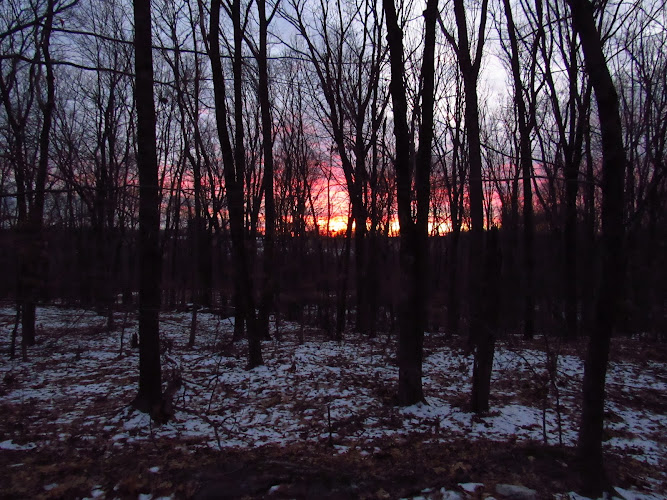
Boyd Woods Audubon Sanctuary is a 106-acre wildlife sanctuary on Northfield Road (Connecticut Route 254), Litchfield, CT 06759, in the town’s rural southeastern countryside. Owned and managed by the Litchfield Hills Audubon Society, it protects woodland, vernal pools, and brook-side habitat through a network of marked walking trails. The property belonged to birder Margery Boyd and was donated to the society in December 1994. Travelers come for quiet birdwatching, a bird blind, and an unhurried introduction to the seasonal ecology of northwestern Connecticut.
What to Expect at Boyd Woods Audubon Sanctuary
This is a conservation property rather than a landscaped municipal park. Marked, maintained hiking trails connect different habitats, allowing you to spend as much time listening and observing as walking. Start with the official sanctuary page and trail map, then choose a route suited to your group. The bird blind provides a place to watch with less visible movement; approach quietly and give anyone already observing room. Around the vernal pools, look from the trail rather than stepping onto fragile margins.
Boyd’s personal connection gives the landscape unusual historical depth: she kept a daily record of birds seen here for 31 years and managed her land for wildlife. After her death in 1992, aged 86, her cousin and heir Tanya Tellman donated the property. That legacy rewards patient observation rather than a checklist-driven visit. Spring brings migration and temporary woodland pools; summer foliage makes listening especially useful; autumn opens longer views through the trees. Winter walking requires extra care wherever snow or ice conceals the trail surface.
- 106 protected acres: A substantial wildlife property with varied habitats, not simply a short roadside nature stop.
- Marked hiking trails: An interconnected walking network supports shorter outings and longer exploratory visits.
- Bird blind: A dedicated observation feature encourages stillness and less intrusive wildlife watching.
- Vernal pools: Seasonal wetlands reveal how woodland habitat changes with rainfall and the time of year.
- Bordering brook: Moving water adds another habitat to the sanctuary’s woodland and pool environments.
Boyd Woods Audubon Sanctuary at a Glance
| Detail | Information |
|---|---|
| Address | Northfield Road / Route 254, Litchfield, CT 06759 |
| Neighborhood / Area | Rural southeastern Litchfield, toward Northfield |
| Operating Hours | Plan a daylight visit; follow posted entrance notices |
| Admission / Price Range | Free public access; $ budget tier |
| Recommended Visit Duration | 1 to 2 hours |
| Nearest Transit / Parking | Arrive by car at the Route 254 trailhead parking area; no direct rail access |
| Official Website & Phone | Litchfield Hills Audubon Society; use the website’s Contact Us section for inquiries |
Visiting Tips, Getting There & Nearby Pairings
Arrive early for bird activity and bring binoculars, water, insect repellent, and footwear with traction. Save the trail map before leaving town. Driving is the practical approach: use the sanctuary entrance on Route 254, keep access clear, and avoid treating the highway shoulder as overflow parking. These are woodland hiking routes, not paved promenade paths; uneven ground and wet conditions can complicate wheelchair or stroller travel. Ask LHAS about a suitable route before bringing mobility equipment. Carry essentials rather than depending on toilets, drinking fountains, or regular seating, and finish before dusk rather than relying on trail lighting.
For nearby pairings, continue by car rather than planning a five-to-fifteen-minute roadside walk. Topsmead State Forest offers estate grounds, meadows, and the exterior of Edith Morton Chase’s English-inspired country house. Litchfield Green provides a contrasting town-center stop, with historic architecture and dining along West Street. White Memorial Conservation Center is another option for extending a nature-focused day. At Boyd Woods itself, keep wildlife viewing quiet, leave plants and wetland edges undisturbed, and check the posted sanctuary rules before bringing a dog; a wildlife refuge should not be treated as an off-leash recreation area.
Frequently Asked Questions
When is Boyd Woods open, and when should I visit?
Plan your walk during daylight and follow any access notices at the entrance. Early morning is a good choice for birdwatching, while spring and autumn offer migration interest and changing woodland conditions.
Is admission free, and do I need reservations?
Ordinary self-guided visits are free and do not require a timed-entry ticket. Check the LHAS website separately for organized walks, which may have event-specific meeting instructions or registration requirements.
How much time should I allow?
Allow one to two hours for a relaxed walk with observation stops. Birdwatchers may prefer longer, especially when spending time at the blind rather than covering trails continuously.
Is the sanctuary suitable for children and visitors with limited mobility?
Children who enjoy quiet nature walks can explore with close supervision around pools and the brook. Natural woodland trails require more care than paved paths; discuss mobility needs with LHAS before choosing a route.
When planning your Litchfield travel guide or browsing verified parks in Litchfield, pair this stop with standout local spots including Americas Best Value Inn Litchfield, Jubelt's Bakery & Restaurant, Holiday Inn Express & Suites Litchfield West, an IHG Hotel, and Topsmead State Forest (2.6 km away).


