
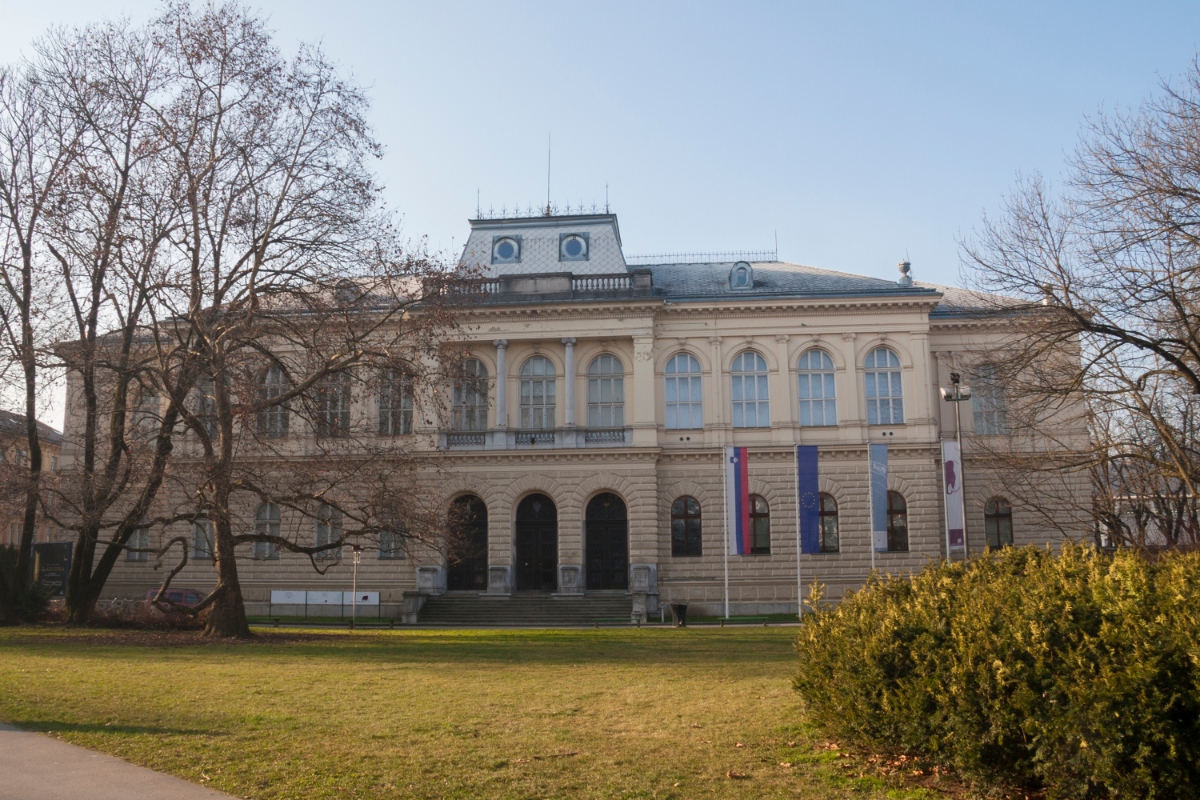
The Natural History Museum of Slovenia is the country’s national natural-science museum: a compact, specimen-rich introduction to the landscapes, animals and deep geological history that shape Slovenia. Its galleries bring together fossils, minerals, rocks, birds, mammals and other zoological material, with cave bear remains among the objects that give the visit real visual impact. Rather than attempting a vast global survey, the museum gives its strongest attention to the natural world of Slovenia and the wider region.
It sits in central Ljubljana beside the National Museum of Slovenia, in the cultural corridor between the city centre and Tivoli Park. That setting makes it an especially useful stop on a wet afternoon, a family-focused break between outdoor sights, or a short, thoughtful museum visit for travellers who want context for the country’s Alpine peaks, limestone Karst and cave ecosystems.
Standout Highlights & What Not to Miss
The museum’s appeal is in close looking. This is a place to slow down over individual specimens and connect them to terrain you may encounter elsewhere in Slovenia. Permanent displays provide the dependable core, while temporary exhibitions, workshops and lectures can add a timely reason to visit. Start with the showpiece objects, then let the galleries lead you from ancient evidence to living habitats.
- Cave bear remains: These are a memorable entry point into Slovenia’s prehistoric past and its long association with limestone caves. Give the display a few extra minutes rather than treating it as a photo stop.
- Slovenian biodiversity: Look for the way the collections illuminate a small country where Alpine, Pannonian, Dinaric and Mediterranean influences meet, producing strikingly varied habitats.
- Karst and cave life: The Karst is more than a regional label here; it is an important thread for understanding groundwater, limestone landscapes and the unusual organisms that live below ground.
- Fossils, minerals and geology: Geological specimens make a useful primer before trips to mountain valleys, caves or the coast. Compare textures, colours and forms instead of rushing through the cases.
- Family programming: Children’s workshops and educational activities can make the museum more engaging for younger visitors. Check the current programme in advance if this is central to your plan.
Visitor Strategy & Planning Snapshot
| Planning Factor | What to Expect | Practical Strategy |
|---|---|---|
| Ideal Arrival Window | Central location and compact galleries make this flexible for morning, midday or an afternoon shelter from rain. | Arrive near the beginning of your chosen visit window for quieter viewing; pair it with nearby museums if the weather is poor. |
| Typical Time Needed | Most visitors can cover the core displays in 1 to 2 hours, depending on interest in geology and labels. | Allow an hour for a highlights visit, or closer to two if travelling with curious children or studying the collections closely. |
| Booking / Queue Reality | Permanent galleries are suited to independent visits, while workshops, talks and special programming may have separate arrangements. | Check current admission, exhibition and event details before setting out, particularly during school holidays or when a workshop is your priority. |
| Terrain & Accessibility | This is an indoor museum visit, but access conditions and visitor facilities can change with building operations. | Contact the museum ahead of time to confirm current step-free access, lifts, seating and any facilities needed by your party. |
| Weather / Seasonal Fit | The collection works in every season and is particularly valuable when Ljubljana’s outdoor plans are interrupted by rain or winter cold. | Keep it as a flexible indoor anchor; in fair weather, continue on foot toward Tivoli Park after your visit. |
Honest Trade-Offs: Best For vs. Who Might Skip
This museum is best for families, students, nature lovers and travellers interested in Slovenia beyond postcard scenery. It rewards people who enjoy specimens, natural history and a clear local lens; it also works well for a short rainy-day cultural stop. The trade-off is scale and style. Visitors expecting a huge, highly theatrical science centre or a blockbuster-heavy attraction may find it more traditional and intimate than anticipated. Some interpretation may be more useful to Slovenian speakers, so non-Slovenian readers should treat visual displays and available English support as part of the experience rather than expect every detail to be equally accessible. If your only goal is art, nightlife or panoramic city views, use the time for Ljubljana’s other strengths instead.
Neighborhood Context & How to Pair Your Visit
Build this into a central Ljubljana walking loop rather than treating it as an isolated destination. The adjacent National Museum of Slovenia is the natural companion for travellers who want to move from natural history into archaeology and national heritage. From there, the city centre’s café streets and riverfront are within easy walking range, while Tivoli Park offers a green contrast after time indoors. A practical sequence is museum first, a nearby lunch or coffee break second, then a park stroll if conditions are pleasant. That combination gives a compact city day more range: fossils and fauna, cultural history, everyday Ljubljana life and open space without relying on long transfers.
When planning your Ljubljana travel guide or browsing verified attractions in Ljubljana, pair this stop with standout local spots including Robbov vodnjak, Hotel Heritage, Dragon Bridge, and Narodni muzej Slovenije (nearby).


