The Lofoten Islands travel guide: plan five to seven days for the main villages, hikes, beaches, and boat trips. Lofoten sits above the Arctic Circle in Northern Norway, where sharp mountains rise directly from the Norwegian Sea. The route rewards a flexible plan because ferries, weather, and mountain conditions can change quickly.
Explore destinations.ai itinerary tools before you book. They can help compare a road trip with a ferry and bus plan, while official local sources should remain your authority for schedules and safety.
What are the best things to do in the Lofoten Islands?
Base yourself in Svolvær for access to Trollfjord boat trips and services, then spend time in the south around Reine, Hamnøy, and Sakrisøy. Svolvær is a practical starting point for a first itinerary because it has transport connections and a choice of restaurants and accommodation. Reine and the surrounding fishing villages are better suited to slow mornings, viewpoints, and short scenic drives.
Reinebringen is a famous viewpoint, but check local mountain-safety guidance before hiking and allow extra time for wet or windy conditions. Choose a trail that matches your experience, stay on the marked route, and turn back when conditions deteriorate. Beaches such as Haukland and Uttakleiv add an easy coastal day, but cold water and exposed weather still deserve respect.
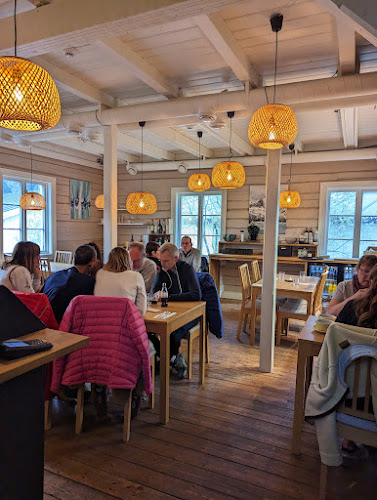
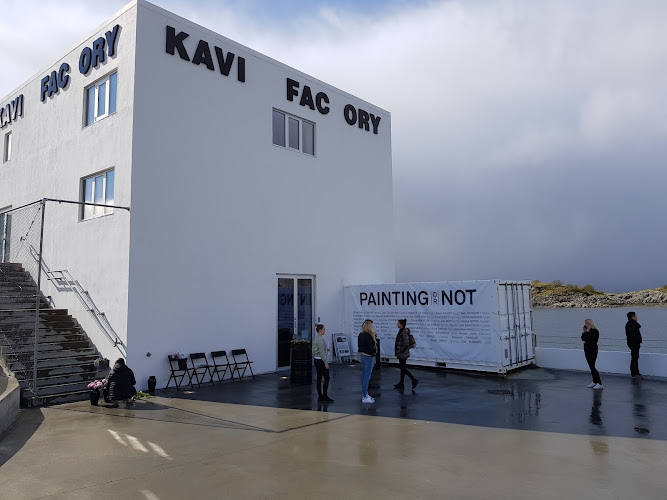
The Lofotr Viking Museum on Vestvågøya adds a historical stop between outdoor days. Leave room for quieter experiences as well: visit a local gallery, eat seafood at a small restaurant, or learn about the region’s fishing culture. Lofoten is a living community, so keep vehicles off private land, follow camping rules, and take rubbish with you.
When is the best time to visit Lofoten?
Choose summer for long hiking days and the midnight sun. Visit Lofoten identifies roughly May 28 through July 14 as the core midnight-sun period. This is a strong season for kayaking, photography, and long drives, but accommodation and rental cars can sell out. Start popular hikes early and keep a quieter alternative in reserve for busy or wet days.
September through April gives you a chance to see the Northern Lights, although clear skies and solar activity are never guaranteed. Autumn can bring colourful walks and fewer visitors. Winter brings short daylight hours, icy roads, and more demanding driving conditions, so plan shorter outings and check the forecast before leaving your accommodation. Spring is a useful compromise for visitors who want snow on the peaks with more daylight than winter.
How do you get to and around the Lofoten Islands?
Most visitors arrive through Bodø or Harstad/Narvik Airport at Evenes, then continue by ferry, express boat, bus, or rental car. Check the official transport timetable before committing to a same-day connection. Travel days can take longer than a map suggests because the E10 follows the shape of the islands and ferries may have limited departures.
A car gives the most flexibility for villages and trailheads, but buses and boats can work for a slower itinerary. If you rent a car, allow time for narrow roads, tunnels, weather, and photo stops. Do not block passing places or private driveways. A public-transport plan works best when you stay several nights in one base and use organised excursions for remote experiences.
Book accommodation early in the busiest months and avoid planning a long drive immediately after a late arrival. Confirm ferry and bus times again the day before travel, since seasonal timetables and weather can affect the route.
How many days do you need in Lofoten?
Four days can cover Svolvær, a southern village, one hike, and one water-based excursion. Seven days gives you weather buffers and time for Vestvågøya, Nusfjord, or a slower road trip. Ten days suits travellers who want to add fishing, kayaking, several hikes, and rest days without turning every morning into a transfer.
Pack waterproof layers, shoes with firm grip, a warm mid-layer, and a headlamp outside summer. Bring a small day pack, water, and a charged phone for every hike. Check current road, ferry, and trail conditions before each outing. The best Lofoten itinerary is the one that leaves space to wait for safe weather.
Where should you stay in Lofoten?
Stay in Svolvær or nearby Kabelvåg for services, museums, and boat trips. Choose the Reine area for dramatic southern scenery and short access to villages such as Hamnøy and Sakrisøy. Vestvågøya works well for beaches, the Lofotr Viking Museum, and a central base between the east and west sides of the archipelago. Rorbuer cabins are a distinctive accommodation option, but compare parking, kitchen facilities, and the distance to shops before booking.
What does a responsible Lofoten itinerary look like?
Responsible travel in Lofoten starts with remembering that the islands are home, not an outdoor theme park. Use official parking areas, obey no-camping signs, and never occupy a passing place for a photograph. Keep noise low near homes, take rubbish with you, and use toilets where they are provided. These small actions protect access for visitors and residents alike. They also make your day calmer: you spend less time worrying about a blocked road or an unhappy neighbour and more time looking at the landscape.
Wild camping rules and access conditions can vary by place, so check local guidance before pitching a tent or parking overnight. Do not assume that an empty beach is available for a campfire. Wind can spread sparks quickly, and dry vegetation is fragile. If you are unsure, choose an established campsite or accommodation with clear facilities. A good trip leaves no trace beyond footprints on a permitted path.
What should you know about food and supplies?
Shop for road-trip supplies when you pass through a larger town rather than waiting until a remote village. Opening hours can be limited outside the busiest season, and a late arrival may leave few choices. A simple breakfast and packed lunch make an early trailhead much easier. Keep food sealed in the vehicle and avoid creating litter at viewpoints. In an isolated place, a little preparation prevents a long backtrack.
Try local seafood, bakery food, and meals that reflect the fishing culture of the islands, but reserve popular restaurants when travelling in summer. A restaurant opening listed online may change with staffing or weather, so keep a backup plan. Rorbuer kitchens are useful for this reason. Cooking one meal does not diminish the experience; it gives you more freedom to wait for clear weather or a late ferry.
How can you photograph Lofoten without missing the place?
The best photographs are often made when you stop chasing the most famous viewpoint. Give yourself time for changing light in a harbour, reflections beside a road, or a quiet walk near your accommodation. Use marked pull-offs and never stand in the road. If a location is crowded, return at a different hour or choose a nearby village. The islands are visually generous, so you do not need to copy one social-media frame.
Protect cameras and phones from rain, salt spray, and sudden temperature changes. A waterproof cover and spare battery are more useful than a complicated lens kit. In winter, keep batteries warm when possible. Ask before photographing people, homes, boats, or working areas. The fishing landscape is part of an active economy, not simply a backdrop.
What are the common planning mistakes?
The most common mistake is treating the E10 as a fast scenic highway. Traffic, tunnels, ferries, weather, livestock, and photo stops all add time. Another is booking every night in a different village. Moving can look efficient on a map but becomes tiring when check-in times, groceries, and bad weather are included. Two well-chosen bases often produce a better trip than a daily relocation.
A third mistake is making a difficult hike the only purpose of a day. Build a lower-effort alternative for every exposed route. This matters even for fit travellers because wind and wet rock change the risk. Finally, do not assume the Northern Lights will appear on demand. Watch the sky when conditions are right, but enjoy the villages, food, and daylight activities that make the journey worthwhile.
Sample five-day Lofoten itinerary
On day one, arrive in Svolvær, settle in, and walk the harbour or Kabelvåg rather than starting with a long drive. On day two, take a Trollfjord excursion if the sea and operator schedule cooperate, then keep the evening easy. On day three, drive or travel toward Leknes and choose Haukland, Uttakleiv, or a shorter coastal walk based on conditions. On day four, continue south to Reine and Hamnøy, allowing time for stops rather than racing to a viewpoint.
Use day five for Å, the Lofotr Viking Museum, a weather-delayed hike, or a slow return. If you have seven days, split the eastern and western routes and add a buffer before your departure. This outline is a framework, not a promise. Recheck transport, opening times, road conditions, and local safety guidance each day. That flexibility is the practical skill that turns a scenic itinerary into a comfortable one.
Is Lofoten worth visiting?
Yes, Lofoten is a strong choice for travellers who want dramatic coastal scenery, hiking, local culture, and a self-directed route. It requires more practical planning than a compact city break. Weather, road space, ferry times, and responsible access matter as much as the views, so build the trip around safety and local communities.
Sources
- Visit Lofoten: travel, activities, seasons, and responsible visiting
- Visit Norway: Lofoten overview
- Lofotr Viking Museum: arrival information
Explore Lofoten Islands by Category: Discover top curated spots across Lofoten Islands Attractions & Sightseeing, Best Places to Stay in Lofoten Islands, Lofoten Islands Restaurants & Dining.