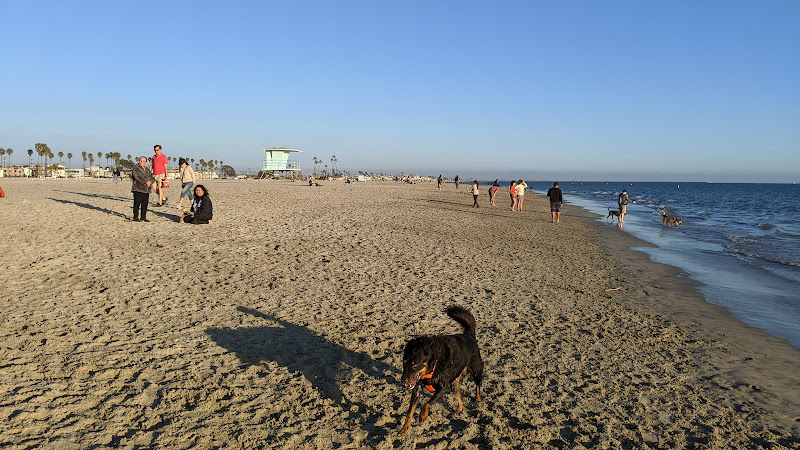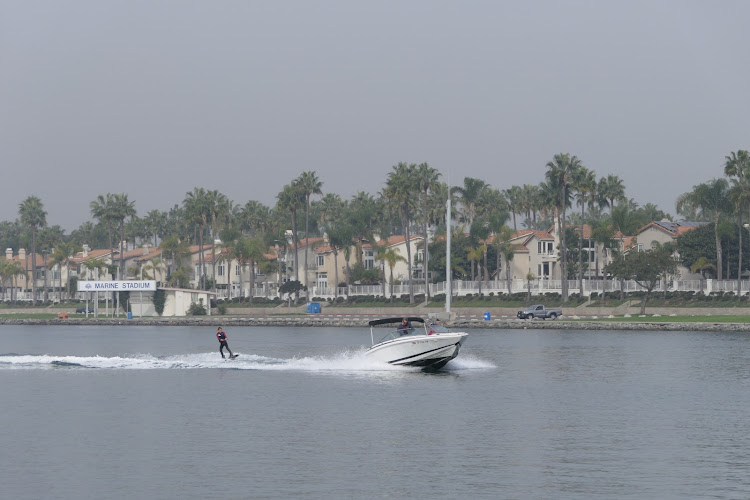
Long Beach Lifeguard Museum is a compact maritime-history museum at 5291 E Paoli Way, Long Beach, CA 90803, in the Alamitos Bay waterfront area beside the city’s boating and beach recreation zone. It traces the lifesaving culture that helped earn Long Beach its “Aquatic Capital of America” identity, using vintage surfboards and ocean-rescue equipment to explain how generations of guards protected local swimmers, sailors, and shoreline visitors.
What to Expect at Long Beach Lifeguard Museum
This is a focused stop rather than a large, ticketed gallery complex. Its subject is the changing practice of beach safety: the equipment carried by guards, the evolution of rescue techniques, and the professional skill required to read surf, weather, currents, and crowded swimming areas. The display gives useful context before a beach day, especially for visitors who know Long Beach for its breakwater-protected shoreline but want to understand the people responsible for water safety.
Look closely at the vintage surfboards, which connect Southern California’s board-riding heritage with lifeguard training and patrol work. Rescue artifacts put the practical side of the job into view, while historical material situates municipal lifeguarding within Long Beach’s larger waterfront story. The museum is set in a functioning marine setting rather than a formal historic building, so the surroundings—Alamitos Bay, boat slips, and beach paths—are part of the experience. No regular audio guide, café, gift shop, cloakroom, or scheduled guided-tour program is advertised; ask on arrival before taking photographs or bringing oversized bags.
- Vintage surfboards: See boards that illustrate the close relationship between Southern California surf culture and ocean-rescue work.
- Ocean-rescue equipment: Lifesaving gear shows how tools and field methods have changed as beach safety practice developed.
- Lifeguarding techniques: Exhibits explain the judgment, training, and emergency response behind safe public swimming areas.
- Long Beach beach history: The museum places guards within the city’s longstanding identity as a major recreational waterfront.
- Alamitos Bay setting: Pair the indoor display with a walk around the marina, waterfront paths, and nearby beaches.
Long Beach Lifeguard Museum at a Glance
| Detail | Information |
|---|---|
| Address | 5291 E Paoli Way, Long Beach, CA 90803 |
| Neighborhood / Area | Alamitos Bay, near Belmont Shore and the marina waterfront |
| Operating Hours | Regular public walk-in hours are not posted; confirm access before making a special trip. |
| Admission / Price Range | No standard admission price is published; this is not promoted as a conventional ticketed museum. |
| Recommended Visit Duration | 30 to 45 minutes, plus time for the surrounding waterfront. |
| Nearest Transit / Parking | Long Beach Transit Route 121 serves Second Street in Belmont Shore; allow roughly a 10- to 15-minute walk. Use signed public parking around Alamitos Bay and avoid spaces reserved for marina operations. |
| Official Website & Phone | For city waterfront and recreation information, visit Long Beach Parks, Recreation and Marine; no dedicated museum website or public phone line is listed. |
Visiting Tips, Getting There & Nearby Pairings
Plan this as a short daytime stop and verify that the museum will be accessible before setting out, particularly on weekends, holidays, or days of active waterfront operations. Arrive earlier in the day for easier parking and cooler walking conditions. There is no conventional online timed-ticket system to reserve, but advance confirmation is the sensible equivalent for a small museum in a working waterfront location. Bring sun protection and water if you intend to continue along the shore.
Drivers should follow posted restrictions around Paoli Way and use public lots designated for the bay and beach; do not assume that staff, boat-launch, or marina spaces are available. The setting is generally level around the waterfront, but step-free museum entry, restroom access, seating, and wheelchair turning space should be confirmed in advance. Nearby pairings include the calm swimming water and playground at Mother’s Beach, the rowing-and-sailing landscape of Marine Stadium, and Belmont Shore’s Second Street, where cafés and independent restaurants begin within an easy 10- to 15-minute walk. Colorado Lagoon is also a worthwhile nature stop about a mile away.
Frequently Asked Questions
When is the Long Beach Lifeguard Museum open, and when should I go?
The museum does not publish a dependable daily walk-in schedule. Confirm access before visiting, then aim for a morning or early-afternoon stop when the adjacent Alamitos Bay waterfront is easiest to explore on foot.
Does the museum charge admission or require reservations?
No standard admission charge or public reservation platform is listed. Contact the city recreation department or confirm locally before traveling, as access may depend on operational conditions at the waterfront site.
How much time should I budget?
Budget 30 to 45 minutes for the museum itself. Allow one to two hours if you add a marina walk, Mother’s Beach, or a meal on Second Street in Belmont Shore.
Is the Long Beach Lifeguard Museum suitable for families and wheelchair users?
Families interested in beaches, surfboards, rescue work, and local history will find the subject especially approachable. The surrounding waterfront is largely level, but visitors needing step-free entry or accessible facilities should confirm arrangements in advance because the museum operates within a working marine environment.
When planning your Long Beach travel guide or comparing verified attractions and museums in Long Beach, pair this stop with standout local spots including Fairmont Breakers Long Beach, Rosie's Dog Beach, 555 East American Steakhouse, and Nick's on 2nd Long Beach (0.9 km away).