
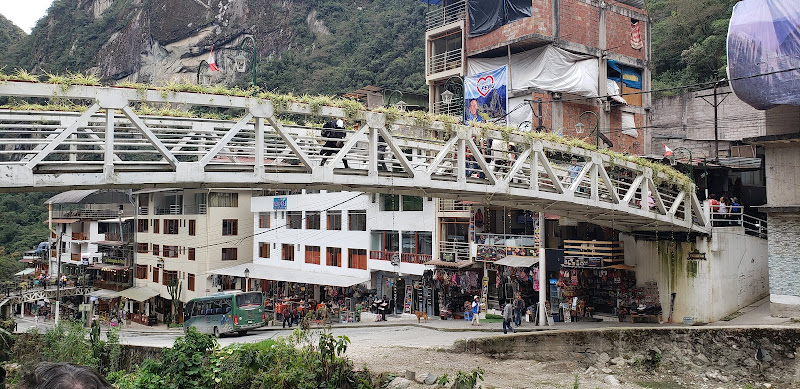
Machupicchu District is the high-Andean district in Urubamba Province, Cusco, Peru, whose administrative center is Machupicchu Pueblo (Aguas Calientes). As a district rather than a single street-addressed attraction, its address is Machupicchu District, Urubamba Province, Cusco 08680, Peru; the principal visitor neighborhood is Machupicchu Pueblo beside the Vilcanota River. Travelers come for the UNESCO-listed Inca sanctuary of Machu Picchu, the rail-only gateway town, cloud-forest scenery, and access to major walking routes. The Inca citadel was built in the 15th century and was brought to international attention by Hiram Bingham in 1911, although local residents already knew the site.
What to Expect at Machupicchu District
The district’s defining experience is Machu Picchu, set on a mountain saddle above the Urubamba gorge. Within the archaeological complex, visitors follow timed, one-way circuits through precision-cut granite architecture, agricultural terraces, ceremonial plazas, fountains, and residential sectors. Key structures include the Temple of the Sun, a curved stone building aligned with solstice light; the Temple of the Three Windows; the Sacred Plaza; and the carved Intihuatana stone. The classic upper viewpoints look across the citadel toward Huayna Picchu and the steep green slopes surrounding it.
Machupicchu Pueblo is the practical base: PeruRail and Inca Rail trains arrive here, and Consettur buses climb from Avenida Hermanos Ayar to the sanctuary entrance. The town has restaurants, small hotels, the artisan market near the station, and walking paths along the Vilcanota. Beyond the citadel, permitted ticket routes can include the Inca Bridge or the longer climbs toward Machupicchu Mountain and Huayna Picchu, each requiring the correct ticket and a realistic assessment of altitude, weather, and stair-heavy terrain.
- Machu Picchu circuits: Timed routes organize access through the upper terraces, urban sector, and designated viewpoints.
- Temple of the Sun: A finely fitted semicircular temple associated with solar observation and royal ritual.
- Intihuatana and Sacred Plaza: Prominent ceremonial features reached on the principal archaeological routes.
- Huayna Picchu and Machupicchu Mountain: Separate, capacity-controlled hikes with steep stone steps and expansive views.
- Rail gateway: Machupicchu Pueblo station links the district with Ollantaytambo and Cusco-area rail services.
Machupicchu District at a Glance
| Detail | Information |
|---|---|
| Address | Machupicchu District, Urubamba Province, Cusco 08680, Peru |
| Neighborhood / Area | Machupicchu Pueblo (Aguas Calientes), Vilcanota River valley |
| Operating Hours | The district and town are accessible year-round; Machu Picchu entry is generally scheduled daily from early morning through late afternoon, subject to the ticketed entry time. |
| Admission & Ticket Prices | Entering the district and Machupicchu Pueblo is free. Machu Picchu requires a timed, paid ticket; confirm routes, availability, and current rates through Peru’s Ministry of Culture ticket portal. |
| Recommended Visit Duration | Two to three days for the town and citadel; allow roughly three to four hours inside Machu Picchu. |
| Nearest Transit / Parking | Machupicchu Pueblo rail station and Consettur bus departure on Avenida Hermanos Ayar. There is no practical public car parking at the citadel. |
| Official Website / Phone | Municipality of Machupicchu; archaeological tickets: tuboleto.cultura.pe. |
Visiting Tips, Getting There & Nearby Pairings
Book Machu Picchu entry before reserving rail travel, particularly for morning slots, Huayna Picchu, and Machupicchu Mountain. Arrive in Machupicchu Pueblo the afternoon before an early entry, then join the bus queue on Avenida Hermanos Ayar well ahead of your timed gate. The first buses usually provide the clearest chance of seeing the citadel before cloud cover builds, though mountain weather can change quickly in every season. Bring your passport or the identification used for booking; ticket checks match visitor details.
There is no road from Cusco directly into Machupicchu Pueblo for ordinary visitor vehicles. Most travelers take a train from Ollantaytambo or a Cusco-area station, then ride the bus or walk uphill to the sanctuary. The town center has some uneven pavements, slopes, bridges, and stairs; the archaeological site has irregular stone paving, narrow passages, and long flights of steps, without a continuous wheelchair or stroller route. Within a 5- to 15-minute walk of the station are Plaza Manco Cápac, the craft market, and restaurants along Pachacútec and the riverfront. Pair a citadel day with a slower meal in town rather than attempting a demanding mountain hike afterward.
Frequently Asked Questions
What are the best hours to visit Machupicchu District?
Machupicchu Pueblo is active throughout the day, while Machu Picchu is visited on timed daytime entries. An early scheduled entry is best for cooler temperatures and a full day, but conditions are weather-dependent. Plan to be at the bus departure area before your ticket time.
Do I need a reservation and how much does it cost?
You do not need a ticket to enter the district or stay in Aguas Calientes. You do need a dated, timed reservation for Machu Picchu, and additional hikes require their own eligible ticket. Prices vary by visitor category and circuit, so buy only through the official Ministry of Culture portal.
How much time should I budget?
Budget two nights if possible: one for arrival and acclimatization, one for the citadel, and another for departure or a local walk. Inside Machu Picchu, most standard circuits take about three to four hours; mountain add-ons require substantially more time.
Is Machupicchu District suitable for families or wheelchair users?
Families can enjoy the rail journey, town, and selected citadel circuits with close supervision on drops and steps. Independent wheelchair and stroller access is limited by steep town streets and the sanctuary’s historic stone surfaces; travelers needing mobility support should arrange assistance and confirm route options before booking.
When planning your Machu Picchu travel guide or browsing verified attractions in Machu Picchu, pair this stop with standout local spots including Uña Picchu, Artesanias Maki, Green House, and Inkaterra Machu Picchu Pueblo Hotel (nearby).


