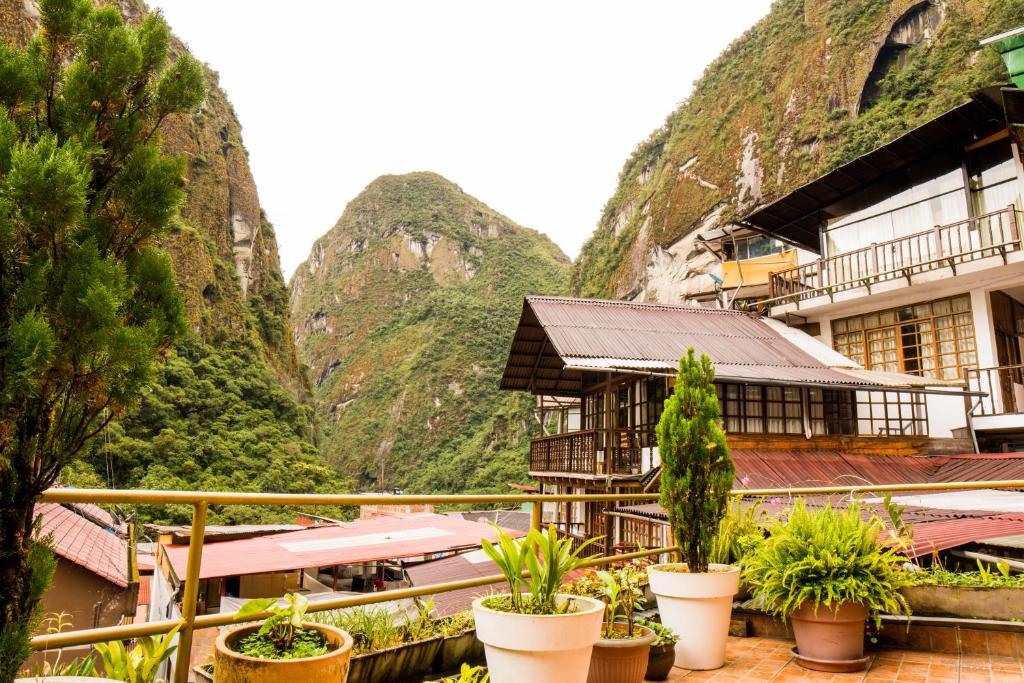
Ollantaytambo District is the inhabited Inca town and archaeological landscape at 08675, Ollantaytambo, Urubamba Province, Cusco, Peru, centered on the old town beside the Patakancha River. Developed as a royal estate under Inca ruler Pachacuti in the 15th century and later the scene of Manco Inca’s 1537 resistance to Spanish forces, it draws travelers for monumental terraces, working irrigation channels, stone lanes, and rail connections toward Machu Picchu.
What to Expect at Ollantaytambo District
The principal paid attraction is the Ollantaytambo Archaeological Park, rising directly above town. Climb the broad ceremonial stairways through agricultural terraces to the unfinished Temple of the Sun, where six immense pink-rhyolite monoliths are fitted into a terrace wall with narrow stone joinery. The blocks were brought from the opposite side of the Urubamba Valley, a feat made more striking by the steep terrain. Look for the adjacent Ten Niches enclosure and the formal fountains and channels known as the Baño de la Ñusta.
Below the ruins, the old settlement retains a remarkably legible Inca street plan: long, narrow lanes, water channels, compound walls, and kancha-style courtyard blocks remain part of daily life. Across the valley, the Pinkuylluna mountain holds high stone qullqas, or Inca storehouses. The unstaffed uphill trail to these granaries is separate from the main archaeological circuit; it has loose ground and sweeping views over the town, terraces, railway, and valley.
- Temple of the Sun: Six monumental rhyolite blocks and finely finished Inca masonry.
- Agricultural terraces: Steep, layered platforms with a commanding view across the Sacred Valley.
- Baño de la Ñusta: A carved ceremonial fountain supplied by Inca waterworks.
- Living Inca town: Cobblestone lanes, canals, and courtyard compounds around Plaza de Armas.
- Pinkuylluna qullqas: Hilltop storage buildings reached by a strenuous, informal footpath.
Ollantaytambo District at a Glance
| Detail | Information |
|---|---|
| Address | 08675, Ollantaytambo, Urubamba Province, Cusco, Peru |
| Neighborhood / Area | Historic center and Sacred Valley; the archaeological park is above Plaza de Armas |
| Operating Hours | Archaeological park generally open daily, 7 a.m.–5:30 p.m.; town streets are always accessible |
| Admission & Ticket Prices | Town access is free. The archaeological park requires the Cusco Tourist Ticket; check current ticket types and prices with COSITUC. |
| Recommended Visit Duration | 2 to 3 hours for the ruins and historic center; add 1 to 1.5 hours for Pinkuylluna |
| Nearest Transit / Parking | Ollantaytambo train station is about a 10-minute walk; paid parking is available around the town approach, not at the terraces |
| Official Website / Phone | COSITUC Cusco Tourist Ticket; ticket offices provide current contact details |
Visiting Tips, Getting There & Nearby Pairings
Arrive close to the 7 a.m. opening for cooler temperatures, clearer light on the terraces, and time before day-trip groups arrive from Cusco. Carry your passport or the identification used to purchase the Boleto Turístico, since tickets are checked at the archaeological entrance. The site is included in relevant Cusco Tourist Ticket circuits rather than sold as a stand-alone ruin ticket; confirm the circuit and validity period before leaving Cusco or Urubamba. Bring water, sun protection, and shoes with grip for worn stone steps.
Shared colectivos and buses from Cusco and Urubamba arrive near the main road and Plaza de Armas; PeruRail and Inca Rail passengers can walk from Ollantaytambo station through town. Avoid driving into the tight historic lanes: use a marked paid lot on the outskirts and continue on foot. The plaza and some main lanes are manageable with assistance, but cobbles, drainage channels, steep ramps, and long stair flights make the archaeological park and Pinkuylluna unsuitable for independent wheelchair use or most strollers. Within 5–15 minutes on foot are Plaza de Armas, the town market area, the bridge over the Patakancha, and restaurants along Calle Principal and Avenida Ferrocarril.
Frequently Asked Questions
What are the best hours to visit Ollantaytambo?
The archaeological park generally opens from 7 a.m. to 5:30 p.m. Go at opening or after mid-afternoon for a more comfortable climb and allow enough time to exit before closing. The historic town itself can be explored at any hour.
Do I need a reservation or ticket for the ruins?
You need a valid Cusco Tourist Ticket for the archaeological park, while the streets, plaza, and Pinkuylluna approach are free. Timed reservations are not normally used for the ruin circuit; verify current ticket availability, circuit coverage, and prices through COSITUC.
How much time should I budget in Ollantaytambo?
Set aside 2 to 3 hours for the archaeological park and a slow walk through the historic center. Plan at least half a day if adding Pinkuylluna, lunch, the market, or a train departure to Machu Picchu.
Is Ollantaytambo suitable for families and wheelchair users?
Families with active children will find the ruins rewarding, but supervise closely on terraces and stairways. Wheelchair users can enjoy parts of the plaza and lower town with assistance; the main ruins involve uneven paving, steep inclines, and extensive steps, with no elevator route.
When planning your Machu Picchu travel guide or browsing verified attractions in Machu Picchu, pair this stop with standout local spots including Ollantaytambo, PAYPAK, Toto's House, and Urubamba (16.9 km away).