Estatua Machu Picchu Pueblo is an Inca-themed public monument in Plaza Manco Cápac, the compact civic heart of Aguas Calientes, officially known as Machupicchu Pueblo. Set amid the steep, green walls of the Urubamba valley, it is a simple but highly recognizable landmark: a place to pause, take a photograph, meet traveling companions, and absorb the town’s visual link to the Inca world.
This is not a conventional museum, despite its listing category. There are no gallery rooms, artifact displays, or formal interpretive route. Its appeal is its setting in the pedestrian-oriented center of town, close to the railway arrival area, accommodations, restaurants, and the routes visitors use while organizing a Machu Picchu visit. Treat it as a short, worthwhile orientation stop rather than a standalone attraction.
Standout Highlights & What Not to Miss
The monument works best as a scene-setter for the larger journey rather than a substitute for archaeological interpretation. Spend a few minutes looking beyond the statue itself: the plaza’s everyday activity, surrounding façades, and sharply rising mountain valley explain why this little town feels so distinct from other gateway settlements in Peru.
- The Inca-themed figure: Make time for a close look and a portrait-style photo. It is the visual focal point of the plaza and an immediate reminder of the region’s cultural setting.
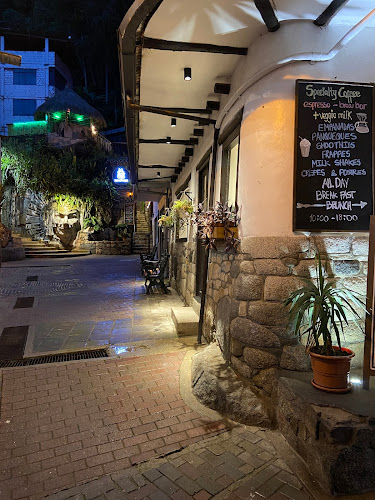
- Plaza Manco Cápac atmosphere: The square is a practical place to get your bearings, observe arrivals and departures, and feel the rhythm of a town built around mountain travel.
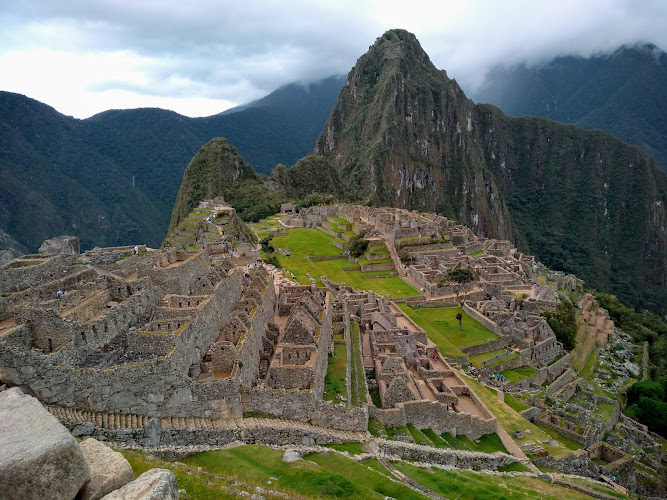
- Valley backdrop: Lift your eyes from the paving and storefronts. Forested slopes crowd close to town, giving even a quick stop a dramatic sense of place.
- A useful meeting landmark: Its central position makes the statue an easy reference point when groups split up to collect tickets, find a meal, or return from the station area.
- A low-commitment photo stop: There is no need to build a day around it. Add it naturally while walking between lodging, the rail corridor, dining spots, and transport connections.
Visitor Strategy & Planning Snapshot
| Planning Factor | What to Expect | Practical Strategy |
|---|---|---|
| Ideal Arrival Window | The plaza is most pleasant when you can linger without rushing between travel connections. | Stop by after settling in, or build in a few unhurried minutes before dinner or a town walk. |
| Typical Time Needed | This is a brief landmark visit rather than an exhibition experience. | Allow 10 to 20 minutes for photos, orientation, and a look at the mountain setting. |
| Booking / Queue Reality | The monument is in an open public square, not a ticketed attraction with timed entry. | No separate reservation is needed; prioritize advance planning for Machu Picchu and transport instead. |
| Terrain & Accessibility | The plaza approach is relatively level, though paving can be uneven and crowds can tighten circulation. | Use care at curb changes; rain-slick surfaces may mean wheelchair users benefit from assistance. |
| Weather / Seasonal Fit | Mountain weather can shift quickly, with wet paving and cloud affecting comfort and photographs. | Keep a rain layer handy and treat a clear view as a bonus rather than a guarantee. |
Honest Trade-Offs: Best For vs. Who Might Skip
This is best for first-time visitors who want a recognizable Aguas Calientes photo, history-minded travelers looking for an Inca-themed visual cue, solo travelers needing an easy central landmark, and families who appreciate a quick stop with no complex logistics. It is also useful for anyone arriving by rail and trying to understand the town’s layout before moving on. On the other hand, travelers seeking original archaeological remains, in-depth historical context, or a substantial museum collection should not mistake the statue for either. The monument has symbolic and practical value, but the experience is brief. For deeper understanding, direct your main cultural energy toward Machu Picchu itself, a knowledgeable guide, or broader regional history resources.
Neighborhood Context & How to Pair Your Visit
Use Estatua Machu Picchu Pueblo as the anchor of a compact central walk. From Plaza Manco Cápac, wander through the pedestrian core to get oriented among restaurants, cafés, small shops, tour services, and lodging, then continue toward the rail and bus-connection areas according to your plans. It is particularly logical on arrival day, when you may have limited energy after travel but still want a first impression of the town, or on an evening when you want a gentle stroll without committing to another excursion. Pair the monument with a meal and time to check the next day’s arrangements; save your longer, more interpretive visit for the citadel and its surrounding landscape.
Frequently Asked Questions
Is Estatua Machu Picchu Pueblo a museum?
No. Despite its museum listing category, it is an Inca-themed public monument in Plaza Manco Cápac, the central square of Aguas Calientes, officially known as Machupicchu Pueblo. There are no galleries, artifact displays or formal interpretive route. Its main appeal is the statue, plaza atmosphere and surrounding mountain-valley scenery.
How long should you spend here, and what should you see?
Allow around 10 to 20 minutes for a close look at the monument, a photo and a pause in the square. Notice the surrounding façades and steep valley backdrop as well as the statue. Its proximity to the railway arrival area makes it a useful orientation stop.
Is the monument accessible for wheelchair users?
The central plaza approach is relatively level, but uneven paving, curb changes and crowds can make access harder. Rain can also leave surfaces slippery, so wheelchair users may need assistance. Treat the approach as condition-dependent rather than assuming a fully smooth route, particularly when the plaza is busy or wet.
When planning your Machu Picchu travel guide or browsing verified museums in Machu Picchu, pair this stop with standout local spots including Intimachay, Pikchu Pikchu, Quenacho sax, and PAYPAK (nearby).