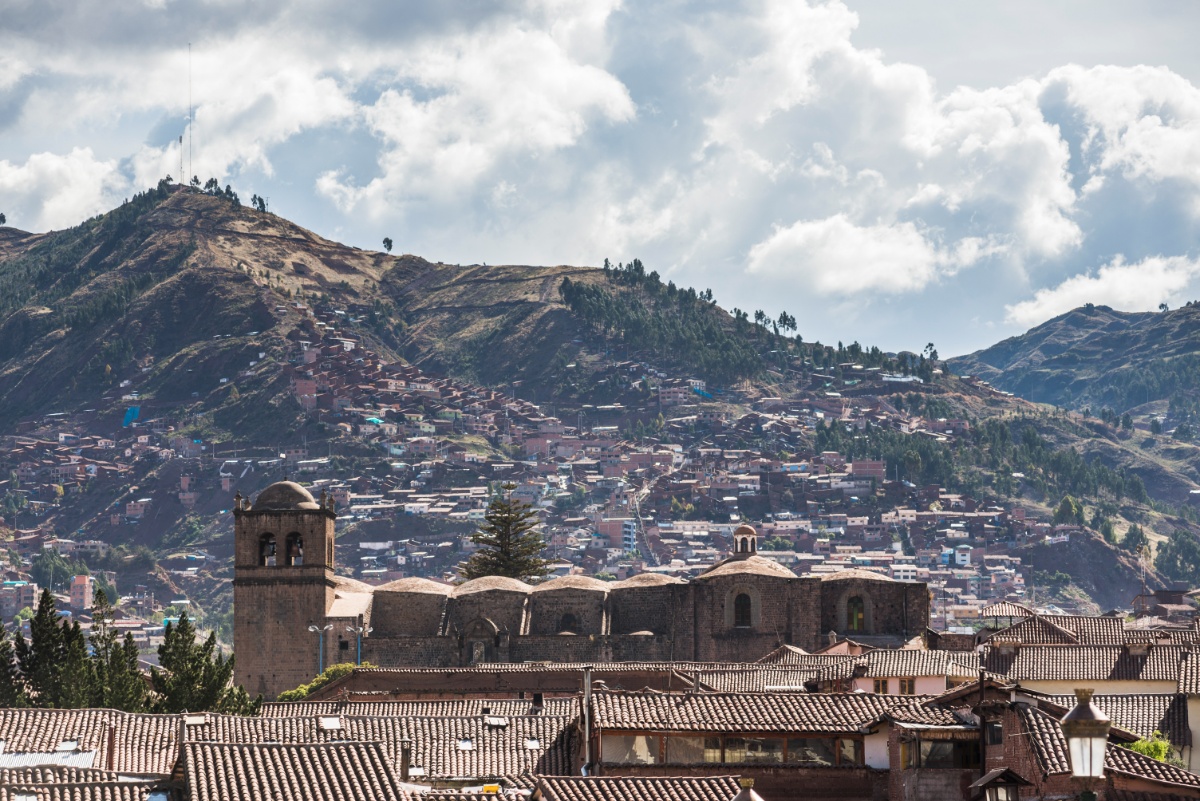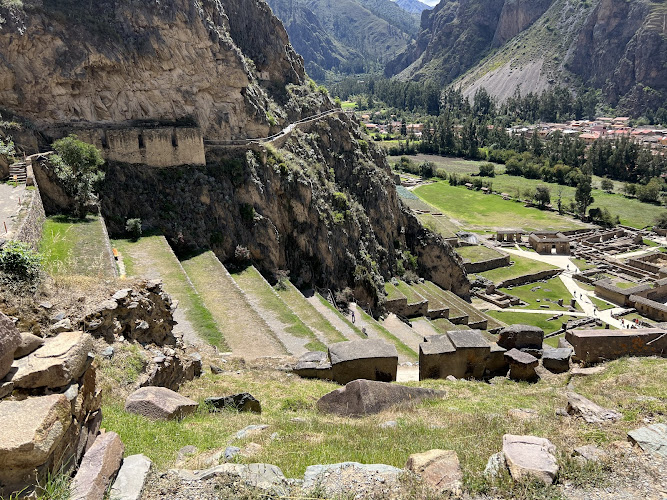
QORIWAYRACHINA is a mapped cultural point of interest in the rural Santa Teresa sector of Cusco, on the western side of the wider Machu Picchu region. Although categorized as a museum, it is better approached as a brief, place-based stop than as a conventional institution with formal galleries, labeled collections, or a programmed exhibition circuit. Its appeal lies in being in the landscape: an Andean valley setting shaped by steep slopes, agricultural surroundings, vegetation, and the routes travelers use to approach Machu Picchu from the west.
This is not in the busy visitor core of Machupicchu Pueblo. QORIWAYRACHINA sits in the quieter rural orbit of Santa Teresa, an area familiar to independent travelers following alternative road-and-walk itineraries. Come with modest expectations for infrastructure and a willingness to let the setting do much of the work. The visit is most rewarding when treated as a pause to notice local geography, route context, and the contrast between a lived-in valley and the region’s headline archaeological destination.
Standout Highlights & What Not to Miss
QORIWAYRACHINA’s value is subtle rather than spectacle-driven. There is no reliably published public inventory of objects, rooms, or archaeological displays to plan around, so avoid arriving with expectations of a large museum visit. Instead, use the stop to orient yourself within the Santa Teresa side of the region and to slow down in a landscape many Machu Picchu itineraries otherwise pass through quickly.
- Rural Andean setting: The surrounding valley, mountain contours, and agricultural character are the defining visual experience, not a formal indoor collection.
- Alternative-route perspective: It offers useful context for travelers arriving via Santa Teresa rather than following the standard rail-centered approach through Machupicchu Pueblo.
- A quieter regional stop: The location can provide a change of pace from the dense crowds and tightly scheduled movement associated with the main Machu Picchu visit.
- Short, flexible visit: Most travelers should think in terms of a 30- to 45-minute stop, allowing time for arrival, orientation, and conditions on the ground.
- Name and local context: The Quechua-derived name is often rendered as “gold blower” or “golden wind,” but there is no published interpretation that securely connects that meaning to a particular structure or event here.
Visitor Strategy & Planning Snapshot
Build QORIWAYRACHINA into a daylight travel day rather than treating it as a destination requiring a long standalone detour. Conditions, local access arrangements, and transport timing can matter more here than a fixed sightseeing schedule. Ask locally about the immediate approach before setting out, particularly after rain or when traveling with limited mobility.
| Planning Factor | What to Expect | Practical Strategy |
|---|---|---|
| Ideal Arrival Window | Daylight is important in a rural valley where terrain and wayfinding can be less straightforward than in town. | Plan the stop earlier in the day or while moving between Santa Teresa-area points; leave margin before dark. |
| Typical Time Needed | A focused visit generally suits a 30- to 45-minute window, rather than half a day. | Allow additional time for transport, walking, photographs, and any locally advised access route. |
| Booking / Queue Reality | No dependable public booking process, timed-entry system, or queue pattern is documented. | Do not assume formal museum-style services; verify current access locally and keep the plan flexible. |
| Terrain & Accessibility | No step-free paths, ramps, elevators, accessible toilets, or wheelchair facilities are documented. | Travelers with mobility needs should confirm ground conditions locally and consider whether uneven rural terrain is manageable. |
| Weather / Seasonal Fit | Mountain weather can change quickly, and rain may affect comfort, visibility, and footing. | Carry rain protection, water, sun protection, and shoes with reliable grip; avoid relying on a tight connection afterward. |
Honest Trade-Offs: Best For vs. Who Might Skip
QORIWAYRACHINA is best for independent travelers, history-minded visitors, cultural explorers, and solo travelers who enjoy understanding a region beyond its most famous landmark. It works especially well for people already using the Santa Teresa corridor and comfortable with a lightly structured rural stop. Those seeking a polished museum, extensive interpretation, guaranteed facilities, or a major archaeological complex may be disappointed. Likewise, travelers on an extremely compressed Machu Picchu itinerary may be better served by protecting time for transport connections, rest, and their primary entrance arrangements.
Neighborhood Context & How to Pair Your Visit
Think of QORIWAYRACHINA as part of the Santa Teresa valley rather than a self-contained urban attraction. Pair it with a daylight wander through the area, scenic pauses along your route, and locally recommended food or transport stops in Santa Teresa. Because this is rural rather than walkable in the city-neighborhood sense, map the day around realistic travel distances instead of trying to link several sights on foot. It is most satisfying as one thoughtful layer in an alternative Machu Picchu approach: a moment to read the valley, observe the pace of the countryside, and appreciate that the region extends well beyond the citadel’s familiar approach.
When planning your Machu Picchu travel guide or browsing verified museums in Machu Picchu, pair this stop with standout local spots including NaturaLodge, Machupicchu Pueblo Alley, Shavacadonian Palace, and POQUES (10.8 km away).