
Editorial disclosure: This destinations.ai guide was prepared with AI assistance and checked against the official sources linked below. Accommodation and activity placeholders may use affiliate links; that does not change the planning advice.
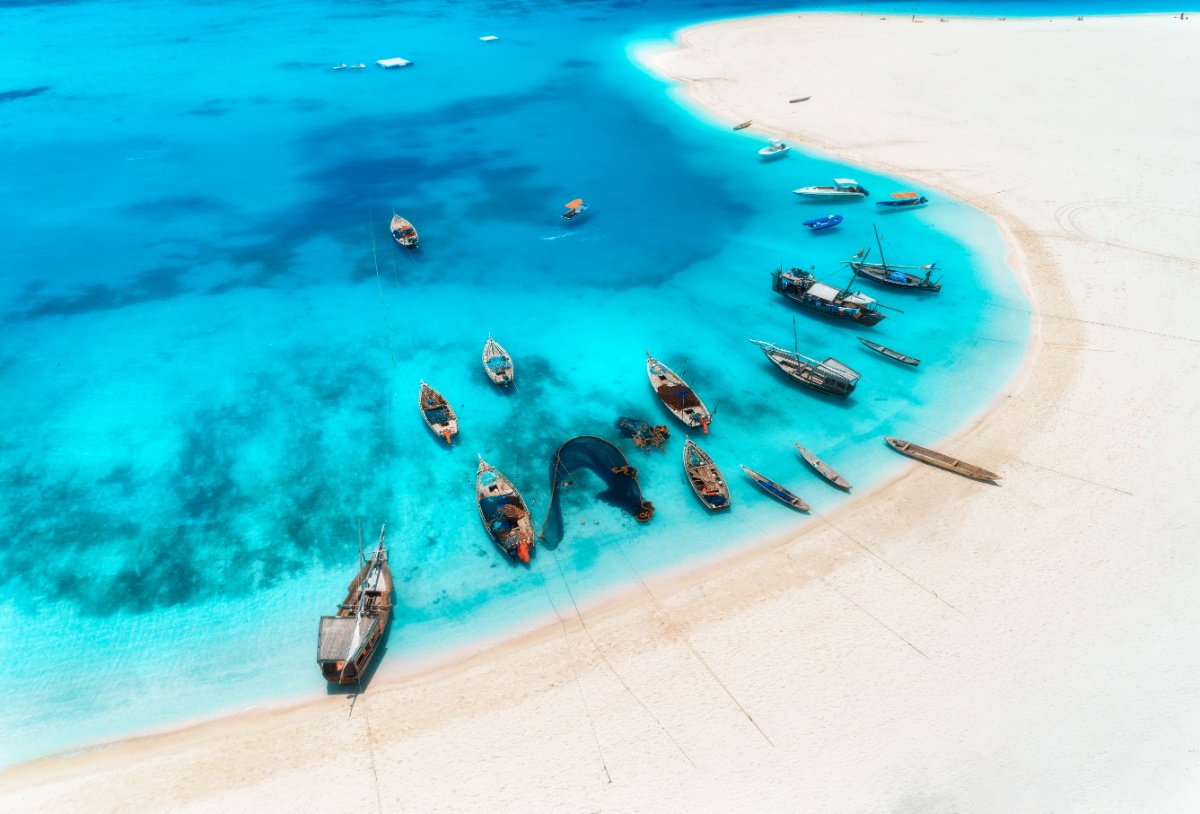
The Maldives is a tropical nation of over 1,000 coral islands scattered across 26 atolls in the Indian Ocean, celebrated as one of the world’s premier luxury beach and diving destinations. Powder-white sand, glass-clear turquoise lagoons, and iconic overwater villas define the experience, with most visitors staying at private island resorts.
The waters teem with marine life, and snorkeling and diving reveal vivid coral reefs, sea turtles, and, seasonally, manta rays and whale sharks, especially around June. Beyond resort indulgence, highlights include underwater dining, sandbank picnics, dolphin cruises, and visits to local islands in the capital region of Male.
The best time to visit is the dry season from November to April, when sunny skies and calm seas prevail; the wetter May-to-October months offer lower prices, surf, and the best big-marine-life encounters.
Affiliate placeholder: Compare accommodation options after checking the official property details, location, and cancellation terms.
Affiliate placeholder: Check current activity availability, meeting points, accessibility, and cancellation terms before reserving.
Sources and current planning links
Explore more destinations.ai travel guides when building a longer route.
How to choose where to stay in the Maldives
The main Maldives decision is whether you want a private resort island, a local island, or a combination of both. Resort islands make a short, simple beach holiday easy because accommodation, meals, water activities, and transfers are organized in one place. Local islands can offer a closer look at everyday Maldivian life and often a different budget, but visitors need to follow local customs and plan their own transport and activity details more carefully.
Start by matching the island and atoll to the transfer you are willing to take. Some stays are reached by speedboat from Malé, while others require a seaplane or domestic flight followed by a boat. Confirm the exact transfer schedule, luggage allowance, arrival cutoff, weather policy, and late-arrival plan before booking a nonrefundable room. A low room rate is not a bargain if the transfer makes the total trip cost or timing unsuitable.
Pick activities that match the season and sea conditions
Snorkeling, diving, reef trips, sandbank excursions, dolphin cruises, fishing, and sunset cruises are popular ways to experience the Maldives. Visibility, wind, currents, and marine-life sightings change, so treat every excursion as weather-dependent. Ask the operator about group size, safety equipment, swimming requirements, reef practices, cancellation terms, and what happens if the sea is too rough.
Experienced divers may choose an atoll for a specific reef or pelagic encounter, while first-time snorkelers may be happier with a house-reef stay and a short guided outing. Do not promise a manta ray, whale shark, turtle, or dolphin sighting; responsible operators describe wildlife as possible rather than guaranteed. Protect the reef by avoiding contact, following guide instructions, and using the current sunscreen and marine-conservation guidance.
Add Malé or a local island intentionally
Malé can be a useful arrival or departure stop for travelers who want a compact look at the capital’s markets, mosques, waterfront, museums, and historic buildings. It is not a substitute for a resort beach, and it can feel busy after several quiet days on an island. If you visit, dress appropriately for religious and community spaces, ask before photographing people, and plan around opening hours.
A local-island stay requires the same respect. Confirm beach rules, alcohol restrictions, dress expectations, prayer times, waste practices, and photography etiquette before arrival. Choose guesthouses and tour providers that explain how visitor spending supports the community. The most meaningful local experience is not a staged performance; it is a trip planned with awareness of where you are and who lives there.
When is the best time to visit the Maldives?
The dry season is usually the simplest choice for a beach-focused Maldives trip, while the wetter season can bring different prices and marine experiences. Weather varies by atoll and year, and rain does not necessarily ruin a tropical holiday. Look at the forecast, transfer policy, water conditions, and the activity you care about most. A diver, surfer, honeymoon couple, and budget traveler may reasonably choose different months.
What does a Maldives trip cost?
Budget for the room, mandatory meal plan, transfer, taxes or service charges, activities, and drinks separately. Two resorts with the same nightly rate can produce very different totals once half-board or all-inclusive terms, speedboat or seaplane transfers, equipment rental, and excursions are added. Compare the complete booking price and cancellation policy, not only the displayed room rate.
Pack lightly but deliberately: swimwear, sun protection, a light layer, reef-appropriate footwear, any required medication, and a dry bag are more useful than a large wardrobe. Ask the property about dress for restaurants, laundry, adapters, Wi-Fi, accessibility, and medical support. Travelers with mobility needs should discuss arrival transfer, jetties, sand paths, bathrooms, and room access with the specific resort or guesthouse before reserving.
A practical seven-day Maldives itinerary
- Day one: Arrive through Malé, complete the confirmed transfer, and keep the first afternoon for settling in and a safe shoreline introduction.
- Days two and three: Use the house reef, lagoon, beach, spa, or a short guided water activity without stacking too many excursions.
- Days four and five: Choose one longer outing such as diving, a sandbank, fishing, or a marine-life trip after checking conditions.
- Day six: Visit Malé or a local island only if the transfer and cultural plan are clear; otherwise keep a slow resort day.
- Day seven: Leave a generous transfer buffer before the international flight and verify the operator’s departure instructions.
The Maldives is at its best when the itinerary leaves room for tide, weather, rest, and the sea itself. Book the experiences that matter, verify the details immediately before travel, and let the rest of the trip be slower than a checklist.
What to check before booking a Maldives trip
Compare the complete door-to-door plan before choosing a Maldives property. Start with the international arrival time, then match it to the resort’s transfer window and check what happens if a flight is delayed. Ask for the final price including taxes, service charges, meals, transfers, activities, and any mandatory festive-season supplement. Save the property’s cancellation terms and transfer instructions where you can access them without an internet connection.
Review the reef and shoreline description with realistic expectations. A “beach villa” may open onto a beach that changes with the tide, while a “house reef” may suit confident swimmers better than young children. Ask about lagoon depth, current, reef access, shade, steps, jetties, and equipment. Travelers with disabilities or limited swimming confidence should discuss the exact transfer boat, boarding assistance, path surfaces, room layout, and bathroom before making a deposit.
Pack for the transfer as well as the room. Keep medication, a change of clothes, sun protection, a reusable water bottle, and important documents in hand luggage. Bring less than you think you need; island transfers and small rooms reward a compact bag. Check whether the property supplies snorkel equipment, reef-safe products, adapters, laundry, and drinking water before buying or packing duplicates.
A slower plan is not a lesser plan. Leave a day without a paid excursion, use the property’s or local island’s current activities list, and accept that rain may turn a boat day into a reading, spa, food, or cultural afternoon. If the sea cancels a trip, ask whether the operator offers a reschedule or refund under the stated terms, then choose safety over sunk-cost pressure.
Keep the transfer day especially conservative. A late boat or seaplane can affect the next reservation, so avoid booking a nonrefundable excursion immediately after arrival. Save the resort confirmation, transfer contact, passport details, and travel insurance information together, and ask the property what assistance is available if weather interrupts the connection.
For a longer regional route, compare Hawaii, Fiji Islands, Bali with this destination before finalizing your itinerary.
Frequently asked questions
What is Maldives, Maldives best known for?
The Maldives is a tropical nation of over 1,000 coral islands scattered across 26 atolls in the Indian Ocean, celebrated as one of the world's premier luxury beach and diving destinations. Powder-white sand, glass-clear turquoise lagoons, and iconic overwater villas define the experience, with most visitors staying at private island resorts.
When is the best time to visit Maldives?
The best time to visit is the dry season from November to April, when sunny skies and calm seas prevail; the wetter May-to-October months offer lower prices, surf, and the best big-marine-life encounters.
How many days should you spend in Maldives?
Plan about 3 days for a first visit, then add time if you want to explore beyond the central sights.
How should you get around Maldives?
Local islands can offer a closer look at everyday Maldivian life and often a different budget, but visitors need to follow local customs and plan their own transport and activity details more carefully.
What should you book ahead in Maldives?
Confirm the exact transfer schedule, luggage allowance, arrival cutoff, weather policy, and late-arrival plan before booking a nonrefundable room.
Explore Maldives by Category: Discover top curated spots across Maldives Attractions & Sightseeing, Best Places to Stay in Maldives, Maldives Restaurants & Dining.


