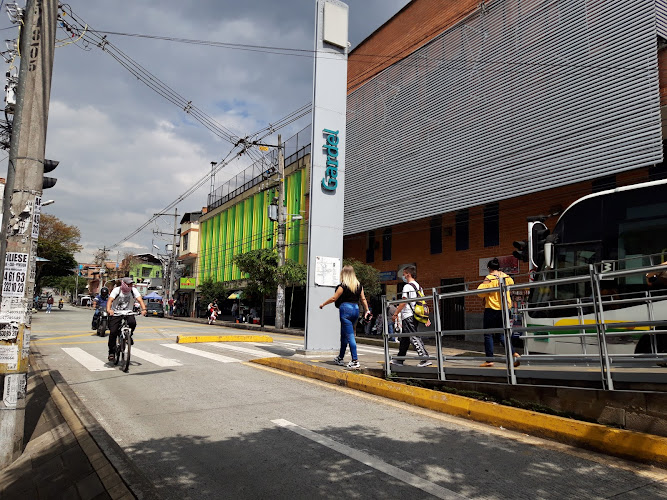
Memory House Museum, officially Museo Casa de la Memoria, is Medellín’s museum of armed-conflict memory at Calle 51 #36-66, Parque Bicentenario, in the Boston neighborhood of La Candelaria. Its origins lie in a municipal initiative launched in 2006 to support victims of violence. Travelers visit for survivor testimony, accounts of resistance, and a more grounded understanding of Medellín than its frequently repeated drug-war narrative offers. Admission is free, and the experience rewards attentive listening rather than a quick circuit of objects.
What to Expect at Memory House Museum
The central exhibition, Medellín, memorias de violencia y resistencia, connects the city’s history with the experiences of people affected by Colombia’s armed conflict. Audiovisual testimony, photographs, timelines, and interactive mapping bring individual voices into a wider account of displacement, loss, collective action, and survival. This is not a military museum organized around weapons or victorious campaigns: its emphasis is the human consequences of violence and the ways communities preserve memory.
The angular contemporary building, designed by architect Jorge Mario Gómez, sits within Parque Bicentenario beside the Santa Elena stream corridor. Move through the main exhibition first, then explore temporary displays and the Centro de Recursos para la Activación de la Memoria, the museum’s specialist resource center. The Fondo Editorial extends that work through publications. Guided visits can be requested through the museum; arrange language needs beforehand rather than assuming an English-language tour. Official virtual tours provide another way to explore the exhibitions before or after visiting.
- Medellín’s memory exhibition: The principal display examines violence alongside civic resistance, keeping residents’ experiences at its center.
- Survivor testimony: Recorded voices and personal narratives make the consequences of conflict tangible beyond dates and statistics.
- Interactive interpretation: Maps, photographs, and audiovisual installations connect events with places across Medellín and Antioquia.
- Temporary exhibitions: Changing projects broaden the conversation; the program includes Sybir: historias de supervivencia through April 30, 2027.
- Memory resources: The specialist resource center, research projects, and museum publications support deeper exploration beyond the galleries.
Memory House Museum at a Glance
| Detail | Information |
|---|---|
| Address | Calle 51 #36-66, Parque Bicentenario, Medellín, Antioquia, Colombia |
| Neighborhood / Area | Boston, La Candelaria; eastern city center |
| Operating Hours | Tuesday–Friday, 9 a.m.–6 p.m.; Saturday, Sunday and public holidays, 10 a.m.–4 p.m.; ordinarily closed Monday |
| Admission / Price Range | Free admission; $ |
| Recommended Visit Duration | 1.5 to 2 hours |
| Nearest Transit / Parking | Bicentenario stop, Ayacucho tram line T-A; paid parking businesses around Placita de Flórez |
| Official Website & Phone | Museo Casa de la Memoria; +57 604 5202020 |
Visiting Tips, Getting There & Nearby Pairings
Arrive near opening on a weekday to give the recordings and displays your full attention. Start with the main exhibition before temporary rooms, and leave a pause afterward rather than rushing straight into another attraction. Independent visitors can enter free; groups seeking a facilitated experience should use the official reservation page. Ask staff about photography, recording, and storage for large bags before entering: testimony and images of victims deserve particular care. Plan refreshments outside rather than relying on an on-site café.
Take Metro line A to San Antonio and transfer to the T-A Ayacucho tram, alighting at Bicentenario for a roughly five-to-ten-minute walk. Drivers can use paid parking around Placita de Flórez; check closing times before leaving the car. Ramps and an elevator support movement through the museum, while the surrounding streets involve crossings and sloping pavements; ask reception for the step-free route. Pair the visit with Parque Bicentenario immediately outside, flower and produce stalls at Placita de Flórez about five minutes away, or Teatro Pablo Tobón Uribe roughly ten minutes away.
Frequently Asked Questions
What are the opening hours and best time to visit?
Hours are Tuesday–Friday, 9 a.m.–6 p.m., and weekends and public holidays, 10 a.m.–4 p.m. Weekday opening time leaves ample room for an unhurried visit; check the official schedule around holiday Mondays.
Is admission free, and do I need a reservation?
Admission is free. Arrange guided or organized group visits ahead through the museum’s reservation service, especially when requesting a particular language or educational focus.
How long should I spend at the museum?
Allow 1.5 to 2 hours for the main exhibition and a temporary display. Add time if you want to listen closely to testimony or consult the resource center.
Is the museum suitable for children and wheelchair users?
Ramps and an elevator assist wheelchair access between museum spaces. Families should consider children’s maturity: accounts of displacement, death, and violence can be distressing, so an adult-led visit with breaks is preferable.
When planning your Medellin travel guide or comparing verified attractions and museums in Medellin, pair this stop with standout local spots including Restaurante La Matriarca, San Antonio Park, Elcielo Hotel Luxury Medellin, and Parque de Bolívar (1.2 km away).