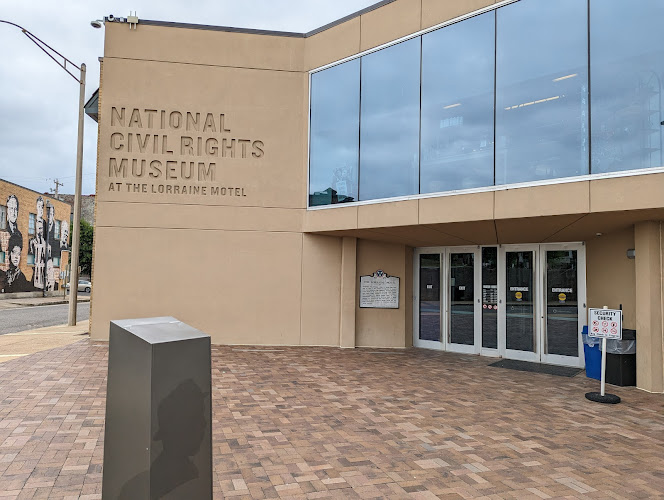
National Civil Rights Museum is a civil rights history museum at 450 Mulberry Street in Memphis’s South Main Historic Arts District, Tennessee, United States of America. Opened in 1991, it preserves the Lorraine Motel, where Dr. Martin Luther King Jr. was assassinated on April 4, 1968. Travelers visit to understand the organizing, resistance, and personal sacrifices behind the American Civil Rights Movement—and to stand before the motel balcony where that history became inseparable from Memphis.
What to Expect at National Civil Rights Museum
The Lorraine exhibitions follow a chronological route from slavery through segregation and the movement’s legislative victories to King’s final days. Full-scale environments make the history tangible: a Montgomery bus recreation introduces Rosa Parks and the bus boycott, while a lunch-counter installation examines student sit-ins. Films, oral histories, photographs, and artifacts explain how sustained collective action challenged discriminatory laws. The preserved motel façade, exterior walkways, and Room 306 distinguish this historic site from a conventional museum.
Across the street, the Legacy Experience extends the narrative beyond 1968 through galleries addressing poverty, education, housing, gender equity, and nonviolence. Its reimagined exhibitions reopened on May 16, 2026. Multimedia interpretation connects grassroots movements with continuing debates about rights and opportunity. Visit the Lorraine first for chronological context, then cross to the Legacy Building rather than treating the balcony as the end of the experience.
- Room 306: View the preserved setting associated with King’s final stay; this is a contemplative viewing experience, not a room visitors enter.
- Montgomery bus: A recreated bus places the boycott and segregated transportation within an immediately understandable physical setting.
- Lunch-counter sit-ins: Interpretive scenes explain student-led direct action and the discipline required for nonviolent protest.
- Memphis sanitation strike: Exhibits connect the workers’ “I Am a Man” campaign with King’s support for economic justice.
- Legacy Experience: Galleries examine activism after 1968, connecting historic organizing strategies with contemporary civil rights questions.
National Civil Rights Museum at a Glance
| Detail | Information |
|---|---|
| Address | 450 Mulberry Street, Memphis, TN 38103 |
| Neighborhood / Area | South Main Historic Arts District, downtown Memphis |
| Operating Hours | Monday and Wednesday–Sunday, 9 a.m.–5 p.m.; closed Tuesday. Extended summer hours and holiday exceptions apply; check the official visit page. |
| Admission & Ticket Prices | Adults $25; ages 5–17 $22; seniors 65+ and college students $23. Reserve timed admission. |
| Recommended Visit Duration | 3–4 hours for both buildings with reading and reflection |
| Nearest Transit / Parking | Free guest parking; enter by turning north onto Mulberry Street from G.E. Patterson Avenue. |
| Official Website / Phone | National Civil Rights Museum; +1 901-521-9699 |
Visiting Tips, Getting There & Nearby Pairings
Book an opening-time ticket to leave ample time for both buildings and avoid compressing the emotionally demanding final galleries. Purchase timed tickets online and arrive 15 minutes early; walk-up admission depends on availability. Allow additional time for security screening. Drivers should use the free museum lot, approached from G.E. Patterson Avenue. From South Main Street, walk east toward Mulberry rather than assuming a trolley connection will complete the journey.
Wheelchair users can follow accessible indoor routes and use elevators between exhibition levels; the two-building visit also involves an outdoor street crossing. Families bringing strollers should allow space around installations and other visitors. Listening-assistance devices for theater presentations and transcripts for exhibition audio are available on request at admissions. Afterward, walk roughly 5–10 minutes to the Blues Hall of Fame Museum on South Main or the Arcade Restaurant near G.E. Patterson. South Main’s restaurants offer a convenient break before further sightseeing.
Frequently Asked Questions
When is the museum open, and when should I arrive?
Regular hours are 9 a.m.–5 p.m., Monday and Wednesday through Sunday; Tuesday is closed. Arrive at opening for an unhurried visit. Check current hours before traveling, particularly during summer and holidays.
How much are tickets, and should I reserve?
Adults pay $25, children ages 5–17 pay $22, and seniors 65+ and college students pay $23. Reserve online for your preferred entry time; walk-up visitors enter only as space permits.
How much time should I budget?
Allow 3–4 hours for the Lorraine exhibitions and Legacy Experience. Visitors who read extensively or watch films should keep the next appointment flexible rather than plan around a quick stop.
Is it suitable for families and wheelchair users?
Families are welcome, but depictions of racial violence and assassination require preparation and discussion with children. Accessible routes and elevators support wheelchair visits. Request theater listening devices or audio transcripts at admissions.
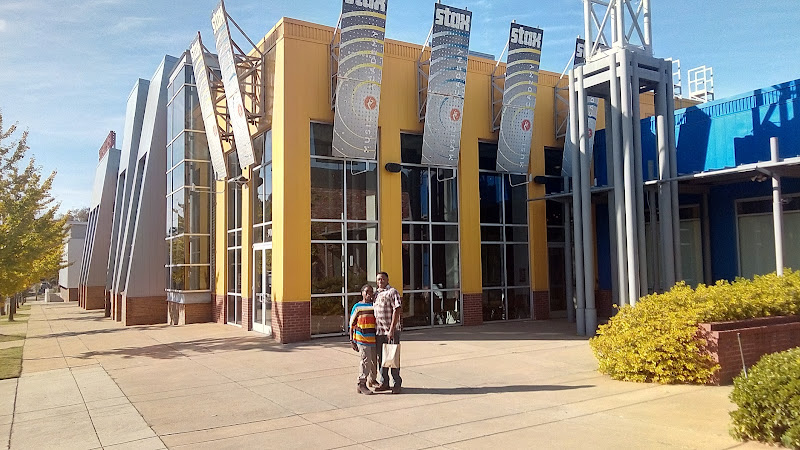
When planning your Memphis travel guide or comparing verified attractions and museums in Memphis, pair this stop with standout local spots including Graceland, Stax Museum of American Soul Music, and Memphis Rock 'n' Soul Museum.